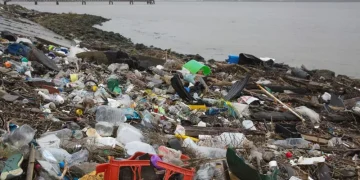





England’s latest water contamination report has delivered a damning verdict on the state of the nation’s utilities, with 2024 marking the worst year on record for pollution. According to the Environment Agency (EA), serious pollution incidents rose by 60% compared to 2023, signaling a deepening environmental crisis across the country.
Of the nine major water and sewerage companies assessed, all but one were rated “requiring improvement” or worse. The Thames Water pollution scandal stood out as the most severe, earning the company the lowest one-star rating amid mounting public outrage over sewage spills and infrastructure decay.
Record-Low Ratings for Water Companies
The EA’s 2024 assessment recorded a total of just 19 stars across all companies, a sharp decline from 25 the previous year. Severn Trent was the only company to earn a four-star rating. The rest, including Thames Water, failed to meet even basic environmental standards.
EA Chair Alan Lovell said the findings “must serve as a clear and urgent signal for change,” adding that many firms’ promises to improve “are not visible in the data.”
Thames Water Faces Financial Turmoil
Thames Water, the UK’s largest water company, reported a £1.65 billion loss with debt surging to £16.8 billion. The company insists it is undertaking the largest infrastructure overhaul in 150 years. “Transforming Thames is a major programme of work that will take at least a decade,” said a spokesperson.
Public Anger Over Rising Bills and Water Pollution England
The industry continues to face public criticism for increasing bills—rising by an average of 26% this year—while pollution incidents grow worse. Activists argue that privatisation has failed, calling for a complete overhaul of the sector.
James Wallace, CEO of River Action UK, said the England water contamination report “exposes the bankruptcy of the privatised water model” and urged stronger regulation to protect rivers and communities.
Government and Regulatory Response
Environment Secretary Emma Reynolds admitted the country faces “a water system failure,” promising tougher penalties and bonus bans for underperforming firms. The government has already announced plans to replace Ofwat with a single, stronger regulator.
Despite industry claims that heavy rainfall and increased inspections contributed to the poor results, campaigners say deeper issues—decades of underinvestment and weak accountability—are to blame.
Travelers and environmental advocates can explore eco-friendly destinations across the UK and Africa at Travel Afrikeye, a platform promoting sustainable tourism.
This story was first reported by the BBC. Read the full article here.