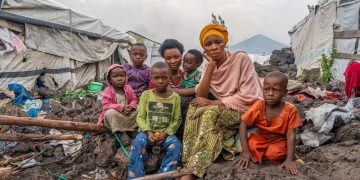





The Democratic Republic of the Congo (DRC) faces a worsening humanitarian crisis, with food aid for displaced children becoming a growing necessity. According to Save the Children, the number of children experiencing emergency levels of hunger is expected to rise by at least 20% by early next year due to ongoing conflict, displacement, and seasonal food shortages.
Escalating Hunger Crisis
Over 2.1 million children in the DRC are at risk of acute malnutrition and hunger-related death, while an estimated 14 million—roughly one in five children—will face crisis-level food insecurity between January and June. This surge is driven by violent conflicts displacing millions and limiting access to food and essential resources.
More than two million people have already been displaced in 2025, primarily across the conflict-affected eastern provinces of Ituri, North Kivu, South Kivu, and Tanganyika. These regions remain the epicenter of the crisis, where support for conflict-affected communities is urgently needed to protect vulnerable families and children.
Dire Conditions in Eastern DRC
Greg Ramm, Country Director for Save the Children in DRC, emphasized the devastating impact of food insecurity on children’s health, education, and future. “Children without sufficient food suffer from malnutrition, stunted growth, weakened immunity, and learning difficulties. The international community must act swiftly to provide nutritional assistance and prevent further suffering.”
Despite humanitarian efforts, many displaced families continue to live without adequate access to food, healthcare, and basic services. The persistent violence has made DRC one of the world’s largest displacement crises, with rural poverty trapping millions in cycles of hunger.
Call for Urgent Global Support
Save the Children, active in eastern DRC since 1994, is working with local and international partners to deliver life-saving food security, nutrition, and health programs. The organization stresses the need for increased global funding to sustain and expand its relief operations.
To strengthen humanitarian response, donors are encouraged to invest in long-term resilience programs that both support conflict-affected communities and rebuild food systems to ensure children have consistent access to safe, nutritious meals.
“This is not just a food crisis—it’s a child survival emergency,” said Ramm. “We must act now to protect millions of young lives in DRC.”
This story was first reported by Save the Children. Read the full article here.
For travel, humanitarian volunteering, and awareness opportunities in Africa, visit Afrikeye Travel.