

SA Lowers Inflation Target in Bold Economic Move
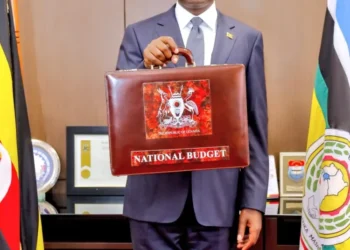
Finance Minister Enoch Godongwana unveiled a significant adjustment in South Africa’s economic strategy by reducing the inflation target to 3%, with a 1-percentage-point tolerance band, during the Medium Term Budget Policy Statement (MTBPS) 2025.
“This is the first time in 25 years that the government has changed the inflation target. This new approach aims to anchor inflation at lower levels, easing the cost of living and borrowing for households, businesses, and government, while fostering sustainable economic growth and job creation,” Godongwana explained.
Reserve Bank Supports Lower Inflation for Stronger Economic Outlook
Earlier in June, Reserve Bank Governor Lesetja Kganyago advocated for a reduced inflation target, arguing that the previous rate weakened the rand and fueled persistent price increases. Following a technical review of the inflation framework by the SA Reserve Bank and the National Treasury, recommendations were submitted to the Governor and Finance Minister to support this new strategy.
Kganyago highlighted in the SARB annual report that even a 4.5% inflation rate, often considered moderate, causes prices to double approximately every 16 years, underscoring the importance of a lower target for long-term stability.
Implications for South Africa Economic Outlook
Economists anticipate that the revised inflation target will positively influence consumer spending, reduce borrowing costs, and create a more predictable investment climate. The 2025 MTBPS outlines measures to strengthen fiscal sustainability and support growth across key sectors. Analysts see this as a proactive step to stabilize the South African economy and improve confidence among investors and households alike.
This new policy forms part of broader efforts to enhance the South Africa economic outlook and provide a roadmap for sustainable growth over the medium term.
For more insights on economic developments and fiscal strategies, visit Afrikeye Travel.
This story was first reported by South African Treasury. Read the full article here.