




Judge Mushtak Parker Found Guilty of Gross Misconduct
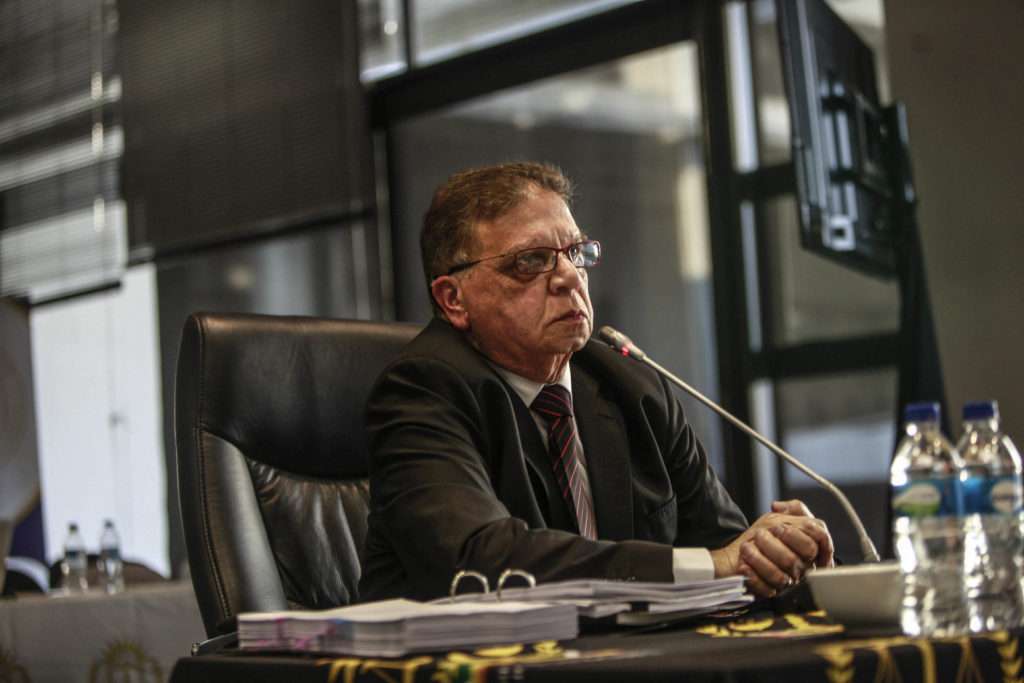
The Judicial Service Commission (JSC) has officially ruled that Judge Mushtak Parker is guilty of gross misconduct. This landmark decision follows a comprehensive investigation into the Western Cape High Court judge’s professional and personal integrity. The ruling marks a turning point for judicial accountability in South Africa, as one of its senior legal figures faces the ultimate professional sanction.
The ruling, which aligns with previous findings from the Judicial Conduct Tribunal, now places Judge Mushtak Parker at the center of a formal impeachment process. His future on the bench remains highly uncertain as the matter heads to the National Assembly. If the legislature moves forward, he could become one of the few judges in the democratic era to be removed from office for ethical failures.
A History of Contradictions and Deceit
The case against the veteran jurist stems from two primary complaints. The first involves a 2019 incident in his chambers involving the former Judge President, John Hlophe. This specific incident sent shockwaves through the legal fraternity, as it suggested deep-seated divisions and potential physical altercations within the highest levels of the provincial court system.
Ten fellow judges from the Western Cape Division lodged a complaint in March 2020. They alleged that Judge Mushtak Parker provided two completely different accounts of an alleged assault by Hlophe. In one version, he claimed he was physically attacked in a fit of rage; in the other, he denied any such event took place. This inconsistency raised immediate red flags regarding his truthfulness under oath.
The JSC determined that these “mutually exclusive” versions were not simple errors or lapses in memory, but were deliberate acts of dishonesty. Such conduct is considered a severe violation of the ethical standards required for judicial officers in South Africa. Maintaining the public’s trust in the judiciary relies heavily on the perceived honesty of those who preside over the law.
The Law Firm Trust Fund Scandal
The second count of gross misconduct relates to the time Judge Mushtak Parker spent as a managing director of his own law firm before his elevation to the bench. A complaint by the Cape Bar Council revealed that trust funds belonging to clients had been misappropriated over a significant period. Trust account deficits are among the most serious infractions an attorney can commit, as they involve the mishandling of public money.
Crucially, the JSC found that he failed to disclose this financial deficit during his initial interview for the bench. He had previously assured the commission that no circumstances existed that could cause embarrassment to the judiciary. The Tribunal noted that these deficits existed while he was still managing the firm, meaning he entered the judicial selection process with full knowledge of these irregularities.
Health Concerns and Potential Impeachment
During the proceedings, Judge Mushtak Parker raised several personal defenses. He informed the tribunal that he is currently 71 years old and battling serious health issues, including a brain tumor and a heart condition. He emphasized that he is undergoing radiation therapy and that his wife has left her career to provide full-time care for him.
His legal team argued that these health challenges, combined with his desire for early retirement, should be considered as mitigating factors. However, the JSC remained firm, stating that his failure to disclose the trust fund issues constituted a major breach of trust. The commission’s priority remained the protection of the judiciary’s reputation over the personal circumstances of the individual judge.
What Happens Next?
The case has now been referred to the Speaker of the National Assembly. Under Section 177 of the Constitution, a judge can only be removed if two-thirds of Parliament votes in favor of impeachment. This high threshold ensures that judicial removal is not done lightly or for political reasons, but only in cases of clear and proven misconduct.
If the vote passes, Judge Mushtak Parker will be stripped of his title, marking a significant moment in the ongoing efforts to maintain judicial accountability across Africa. The precedent set here reinforces the idea that no official, regardless of their rank or seniority, is above the ethical mandates of their office.
The legal community is now watching the National Assembly closely. The outcome of this vote will determine if the judiciary can successfully purge itself of elements that compromise its integrity. For many, this is a litmus test for the strength of South Africa’s democratic institutions and their ability to self-correct in the face of internal corruption and dishonesty.