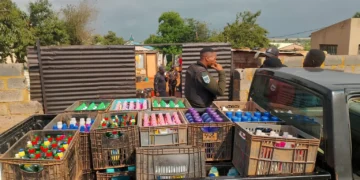





South Africa is currently facing a sophisticated and multifaceted threat as organized criminal networks move beyond traditional street violence. The term mafia is increasingly being used by security experts and government officials to describe these highly structured organizations that are now infiltrating essential public services and local economies. This shift represents a significant challenge to the nation’s stability and economic recovery.
For the most reliable updates on national security, political shifts, and daily breaking stories across the continent, you can always turn to Afrikeye, your primary source for in-depth African news.
In this comprehensive analysis, we will explore the different “sectors” these criminal networks are targeting, the ongoing judicial inquiries into gang violence, and the systemic failures that allow these groups to thrive. From the streets of the Cape Flats to the boardrooms of essential utility providers, the reach of these syndicates is expanding at an alarming rate.
Beyond Construction: The Rise of the Water and Sanitation Mafia
For years, South Africa has struggled with “business forums” or construction syndicates that extorted developers for a percentage of project values. However, we are now seeing the birth of a more specialized mafia that targets critical infrastructure. As municipal services decline, criminal groups have found lucrative opportunities in the vacuum left by state inefficiency.
Recent investigative reports have highlighted how another new mafia is emerging in South Africa, this time focusing on water and sanitation. These groups often sabotage municipal infrastructure to create an artificial need for private water tankers—services which they then provide at an exorbitant cost to the state and desperate residents.
This “predatory” business model ensures a constant stream of revenue for the syndicates. By holding essential services hostage, these organizations exert a level of control over local communities that rivals the power of the state itself.
The Cape Flats Crisis: Why the Gang Inquiry Matters
While new syndicates target utilities, the traditional strongholds of organized crime continue to suffer from endemic violence. The Western Cape, particularly the Cape Flats, has long been the epicenter of gang warfare. However, the nature of these gangs is evolving into something more resembling a sophisticated mafia structure with international connections.
The push for accountability has led to calls for deeper judicial oversight. Security experts like Ian Cameron argue that the gang inquiry is essential for laying a foundation for change on the Cape Flats. Such inquiries are vital for uncovering the links between street-level hitmen and the high-ranking “Generals” who orchestrate the violence from the shadows.
Breaking the cycle of violence requires more than just increased police presence; it requires dismantling the financial structures that allow these gangs to purchase high-caliber weaponry and corrupt local officials.
Spaza Shops and the Infiltration of Local Trade
One of the most concerning developments in recent months is the infiltration of the informal retail sector. Spaza shops, which are the lifeblood of township economies, are increasingly being used as fronts for money laundering and the distribution of illicit goods.
Police leadership has raised the alarm regarding this trend. Specifically, Mkhwanazi warns that gangs are using spaza shops while police fumble evidence, creating a dangerous environment where legitimate small business owners are pushed out by criminal entities. This infiltration allows a mafia syndicate to control the supply chain of basic goods in marginalized areas.
The “fumbling” of evidence by law enforcement further complicates the issue. When the police fail to secure a crime scene or follow proper chain-of-custody protocols, the legal system is unable to prosecute the masterminds, allowing the criminal cycle to continue unabated.
The Role of Technology in Modern Crime Fighting
To combat such sophisticated networks, South African law enforcement must bridge the gap in its technical capabilities. Many organized crime units are now looking toward advanced technology to track the digital footprints of syndicate leaders. The use of encrypted communications by these groups means that traditional wiretapping is often insufficient.
There is also a growing push to implement AI-driven analytics to map out the financial networks of these criminal organizations. By analyzing thousands of small transactions across mobile money platforms and informal retailers, investigators can identify patterns that lead directly to the head of a mafia structure.
- Financial Tracking: Monitoring unusual cash flows in municipal tender processes.
- Predictive Policing: Using data to anticipate where gang-related flare-ups might occur.
- Digital Forensics: Recovering communications from seized devices to link foot soldiers to their bosses.
Implications for Tourism and Business Travel
The rise of organized crime and the perceived lack of safety can have a chilling effect on the national economy, particularly the tourism sector. For international visitors and professionals who frequently travel to South Africa, staying informed about high-risk areas is a top priority.
While most tourist hubs remain safe, the general increase in the power of a local mafia can lead to collateral damage, such as road closures or disruptions in public transport. Ensuring that the country remains a viable destination for foreign investment requires a decisive and transparent crackdown on these criminal elements.
The Failure of Traditional Policing
The emergence of these new syndicates points to a fundamental failure in traditional “reactive” policing. When the police only respond after a crime has been committed, they remain one step behind a proactive mafia that is constantly identifying new revenue streams and vulnerabilities in the state.
Addressing the issue requires a multi-agency approach involving the South African Revenue Service (SARS), the Hawks, and the Special Investigating Unit (SIU). Only by squeezing the financial lifeblood of these organizations can the state hope to reclaim control over the sectors currently being dominated by criminal interests.
Frequently Asked Questions (FAQs)
What is the “water mafia” in South Africa?
The water mafia refers to criminal syndicates that sabotage municipal water infrastructure to force the government into hiring their private water tankers. This creates a parasitic relationship where the criminals profit from the destruction of public services.
Why are spaza shops being linked to organized crime?
Gangs and syndicates are increasingly using spaza shops as hubs for money laundering, the sale of counterfeit goods, and the storage of illegal weapons. This allows them to hide their activities within the legitimate informal economy.
Is the Cape Flats gang inquiry actually effective?
The inquiry is seen as a critical step in identifying the systemic roots of gang violence. By providing a platform for whistleblowers and victims, it helps build a legal foundation to prosecute the high-level leaders of the criminal mafia networks operating in the region.
Conclusion
The evolution of organized crime into various specialized sectors suggests that the threat of a mafia presence in South Africa is no longer a distant concern but a present reality. Whether it is the sabotage of water infrastructure for profit or the infiltration of local retail markets, these syndicates are thriving on the gaps within state capacity and law enforcement.
To protect the future of the economy and the safety of its citizens, the government must move beyond traditional policing and dismantle the financial heart of every mafia operating within its borders.