Aaron Levie Highlights AI’s Role in Enterprise SaaS
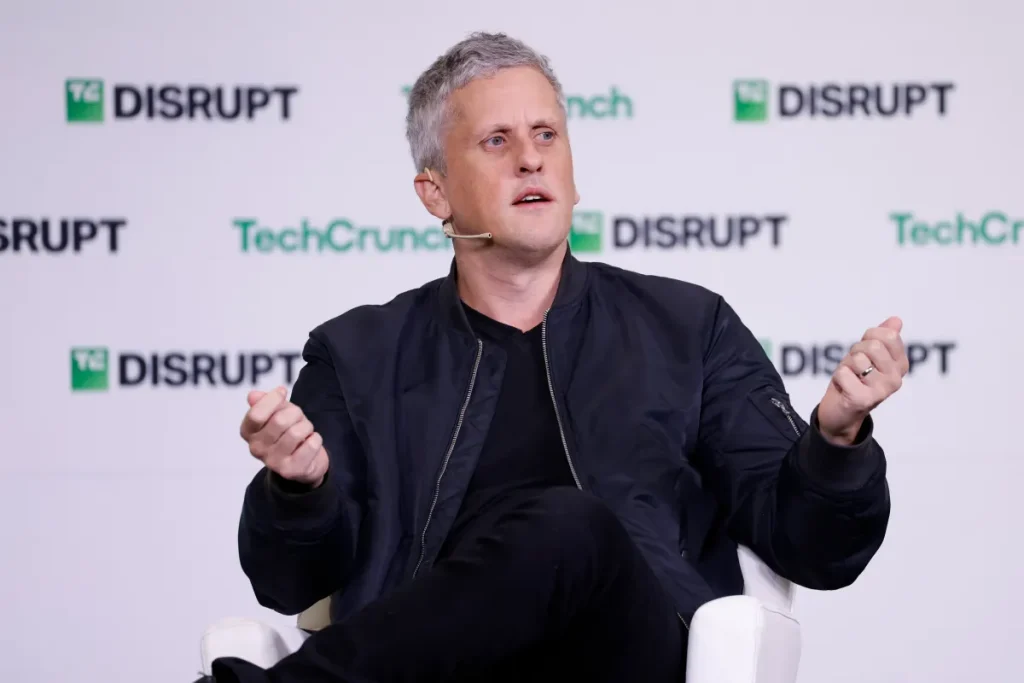
Box CEO and co-founder Aaron Levie shared insights on how AI is reshaping enterprise software at the TechCrunch Disrupt 2025 conference. He emphasized that AI agents won’t replace traditional SaaS but will complement it, creating hybrid systems where ai-powered enterprise solutions support core business workflows.
Levie explained that these agents can assist in decision-making, automate workflows, and accelerate processes, while the underlying SaaS remains deterministic to avoid risks such as data leaks or system errors.
Agents Amplifying SaaS Usage
“The future will likely have 100 to 1,000 times more agents than people using software,” Levie noted. Virtual agents in enterprise environments will expand software usage far beyond human operators, creating new opportunities for efficiency and scalability.
Transforming Business Models
This shift is expected to alter enterprise SaaS business models. Traditional per-seat pricing may give way to consumption-based or volume-oriented models driven by virtual agents in enterprise systems. Startups can leverage this change to design ai-powered enterprise solutions that simplify adoption and minimize change management challenges.
Levie highlighted that smaller startups, unburdened by legacy processes, have an advantage in building agent-first workflows from the ground up.
Opportunities for Startups
“We are in a unique window, not seen in 15 years, where a platform shift is enabling a new generation of companies to emerge,” Levie said. Entrepreneurs who focus on saas adoption in businesses enhanced with AI agents can fully exploit this opportunity.
This hybrid approach allows businesses to maintain the stability of deterministic SaaS while benefiting from AI-driven automation and scalability through virtual agents.
For professionals looking to explore technology-driven business solutions, Afrikeye Travel offers insights and resources to discover tech hubs and business opportunities globally.

This story was first reported by TechCrunch. Read the full article here.