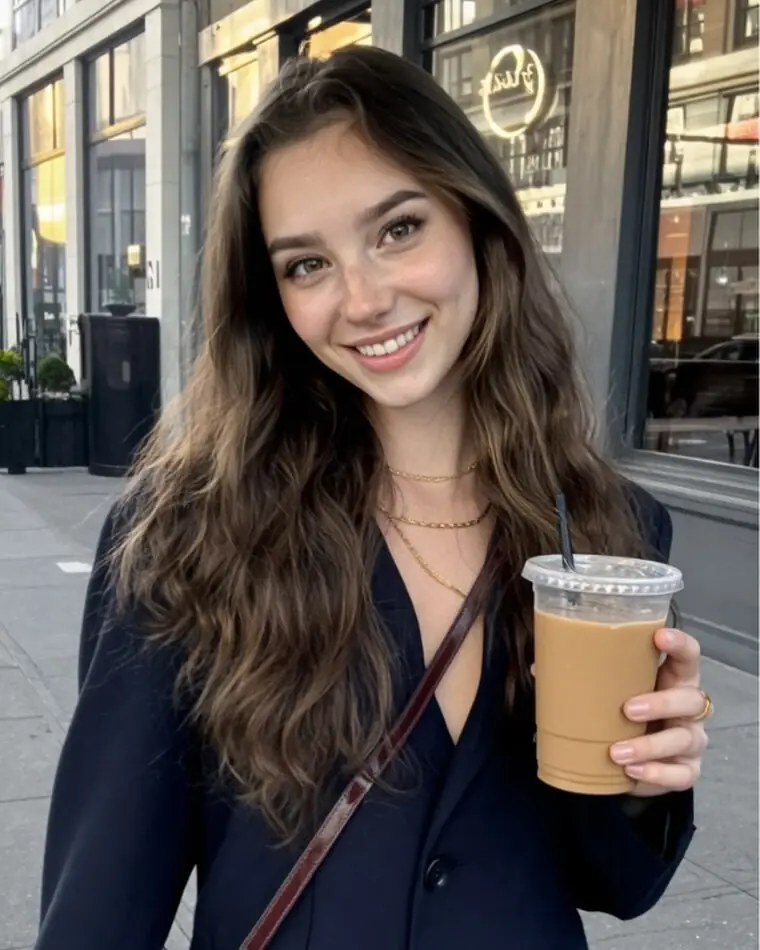
Pause the frame and focus on the big, dark green eyes of Tilly Norwood. They might look human—but they don’t feel human. When you restart the clip and watch the gestures, the body’s movements appear mechanical: an algorithm scanning database files of human motion, predicting one action after another.
The Rise of Virtual Actors in Films
Decades into computing and effects advancements, the uncanny valley still holds us. Tilly—the much‑hyped “AI actress” Hollywood is racing to represent—is no exception. She is simply the latest poster‑child of virtual actors in films: a digital figure animated by computation, rather than guided by true human emotion or instinct.
In effect, her existence reflects the inevitable trajectory of social‑media avatars and influencer bots graduating into full‑scale digital performers. Once the domain of novelty, now the domain of production budgets and talent agencies.
What Artificial Intelligence in Acting Really Means
If a new actor can be generated from text prompts and motion‑capture templates, what happens to the craft of performance? That question lies at the heart of the artificial intelligence in acting debate. Tilly’s performance is stitched from hundreds of thousands of films, actors and datasets. The outcome: visually impressive, emotionally hollow.
In 2023 the SAG‑AFTRA strike exposed deeper anxiety: studios were scanning actors’ likenesses to resurrect them indefinitely, prompting demands for consent, compensation and streaming bonuses.

Behind the Scenes: Key AI Technologies in Showbiz
From the creative labs of major tech firms to indie open‑source communities, AI technologies in showbiz are evolving fast:
- Studios and start‑ups are deploying tools like Runway ML and its “Aleph” module that promise photoreal scene‑level control and rapid visual generation.
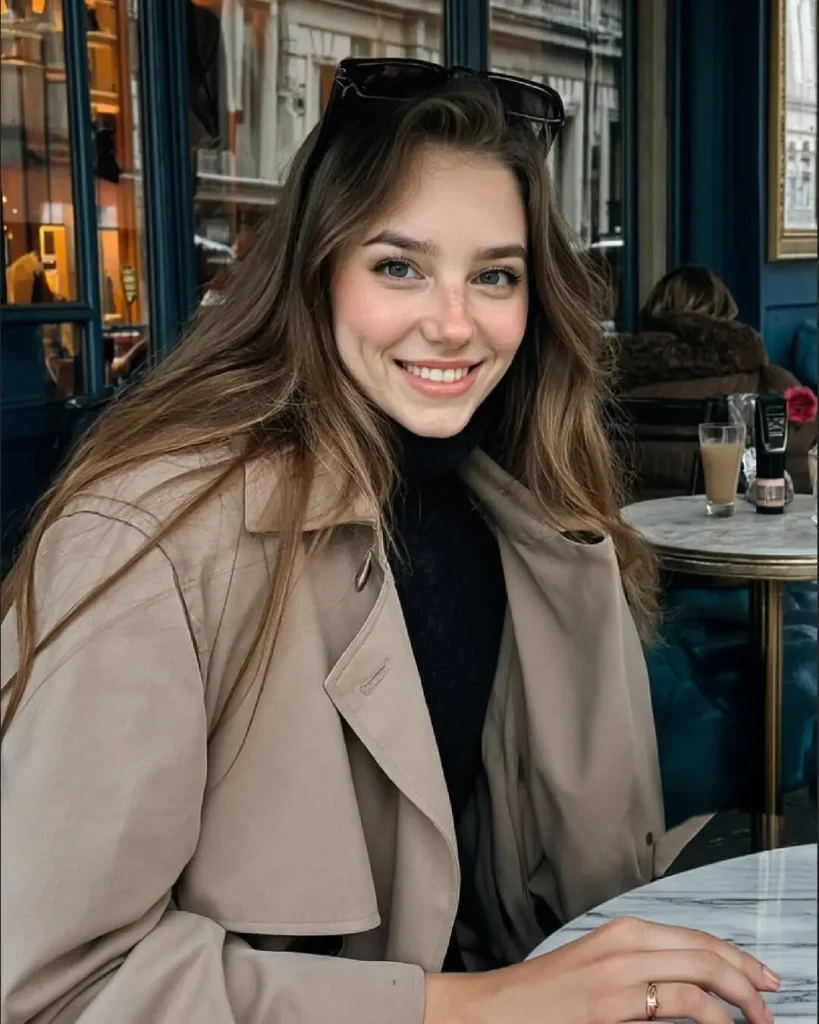
- Consumers and creators can now generate virtual people with prompts like: “portrait of a beautiful young petite woman, brown shoulder‑length hair, light freckles, realistic dark green eyes…” and the model spins a face, a character, a star.
- Yet for all the wow factor, maintaining continuity, emotional nuance, and believable performance remains a major challenge. One shot might be stunning; the next, uncanny and unwatchable.
The Elephant in the Room: Will Real Actors Be Replaced?
The question on many lips is: are virtual actors just tools—or the next wave of talent? So far the industry consensus is cautious. For now at least, these digital people are collaborators rather than replacements. Real human actors bring instincts, improvisation, emotional resonance—things that algorithms still struggle to emulate.
Why This Matters (and What It Means for Creators)
Whether you’re a filmmaker, animator, writer or actor, this transition impacts you. Digital characters may offer lower costs, faster production, and endless customization—but they also raise ethical questions, intellectual‑property challenges, and issues of authenticity.
If you’re looking for inspiration in creative or travel spaces (yes, even the creative mind needs rejuvenation!), check out our travel booking site for refreshing new locations and rest‑and‑reset experiences.
This story was first reported by Dawn. Read the full article here.