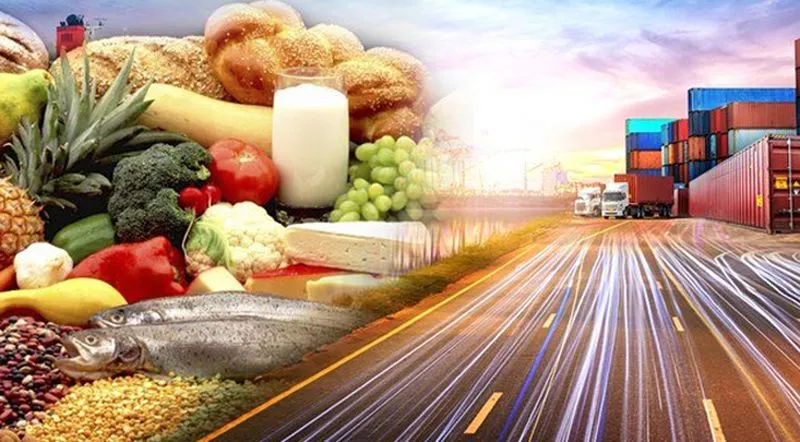
Ukraine has launched a fully automated border control system for perishable agricultural exports to eliminate costly transit delays. The digital upgrade removes manual customs interventions, offering a direct blueprint for governments across the African continent struggling to operationalise continental free trade.
The Ukrainian Ministry of Agrarian Policy and Food recently enacted Order No. 5639 to establish a unified list of time-sensitive goods. The directive integrates directly into the national eQueue platform to identify meat, dairy, and fresh produce instantly. Cargo status is now determined by AI and digital codes, guaranteeing priority passage for vulnerable goods without human interference.
Before this tech integration, the absence of a legally defined list of perishables forced food trucks to wait in general queues for days. These logistical bottlenecks caused severe quality degradation and millions in financial losses for cross-border travel and freight operators. Manual prioritization created unnecessary friction and enabled subjective decision-making at transit hubs.
Removing human intervention from queue management directly cuts corruption risks at busy transit points. Automated allocation ensures that high-value food items meet strict health standards and reach foreign buyers quickly. For agricultural exporters, saving hours on transit translates directly into preserved margins and a massive boost for local jobs.
Ukrainian Deputy Minister Taras Vysotskyi stated that every extra hour in line represents a severe risk of product loss rather than just an added cost. According to an AgroNews report, he confirmed that eliminating grey areas allows the customs system to run on a strict algorithm. A related release from UA News highlights that this mandatory policy fundamentally shifts the politics of regional export management.
Why Digital Border Control is Critical for African Trade
The Ukrainian model exposes a critical gap in African trade infrastructure, where business operations routinely stall at fragmented frontiers. Drivers transporting fresh produce frequently spend days stranded at notorious chokepoints like the Kasumbalesa crossing between Zambia and the Democratic Republic of Congo. Implementing automated queue systems across regional blocs like ECOWAS would bypass analogue procedures and drastically reduce the continent’s severe post-harvest losses.
African policymakers engaging in public AMA sessions and policy forums must look beyond tariff reductions and focus on rapid digital logistics integration. The success of automated queues in Eastern Europe is already shifting expert opinion across trade ministries in Southern Africa. Standardising product codes across the African Union will give African exporters the same competitive edge seen in elite sports, where speed defines the ultimate winners.