




By Afrikeye Business Desk
Botswana Côte d’Ivoire mining cooperation signals a new wave of African resource diplomacy and South-South partnerships.
Botswana and Côte d’Ivoire are moving to deepen their cooperation in mining and energy, reflecting a broader trend among African economies to coordinate on resource governance, industrial development, and sustainable energy strategies.
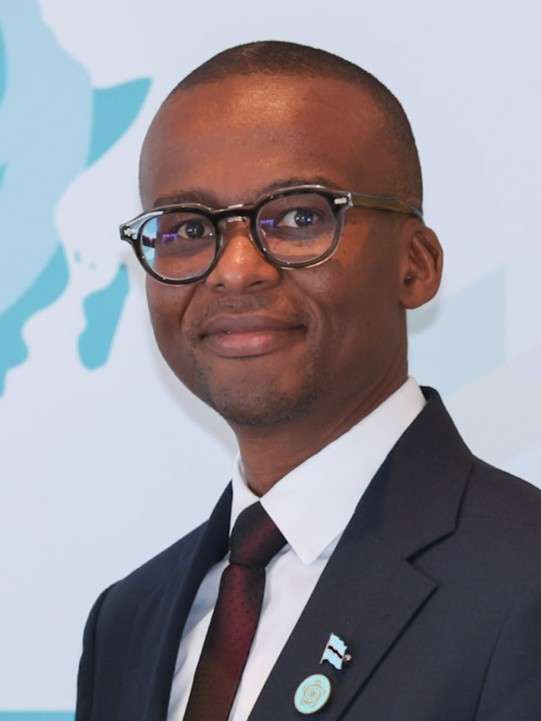
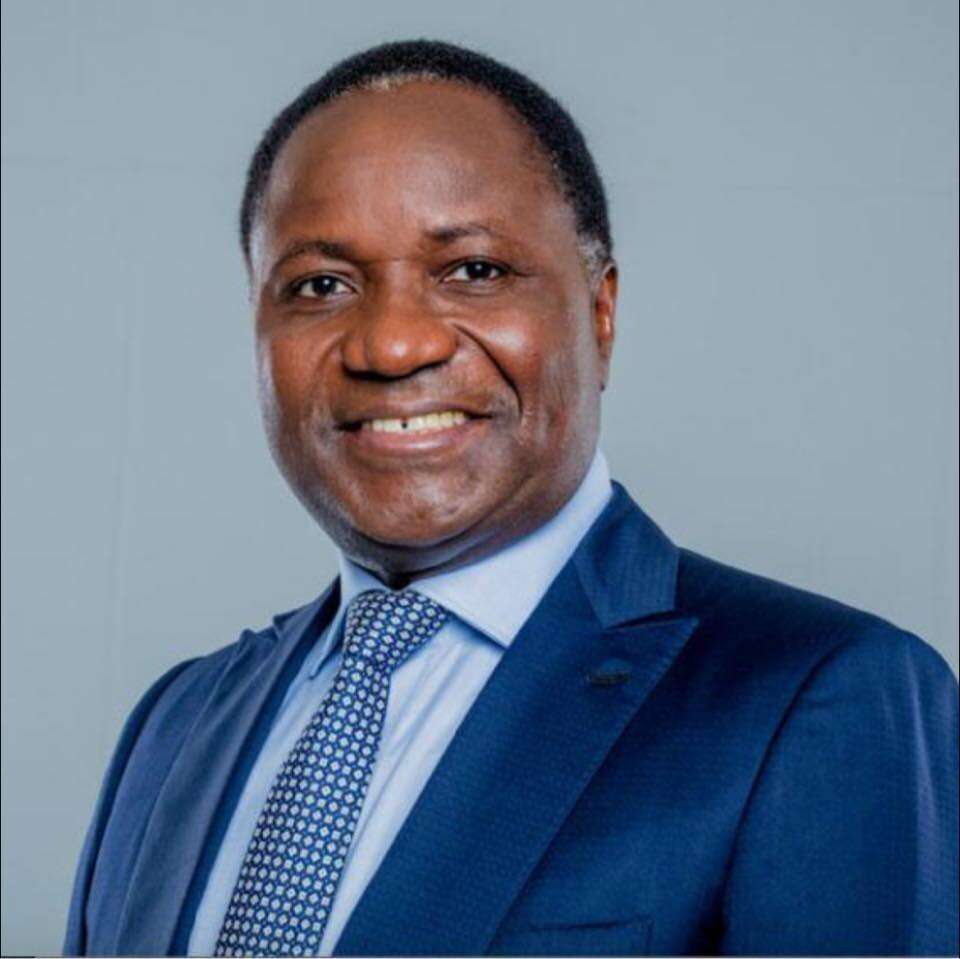
Ndaba Nkosinathi Gaolathe, Botswana’s Vice President and Minister of Finance, received Mamadou Sangafowa Coulibaly, Côte d’Ivoire’s Minister of Mines, Petroleum and Energy, for high-level discussions focused on institutional collaboration, investment alignment, and sustainable mineral sector strategies.
The meeting, formally a courtesy call, also accelerated plans for a Memorandum of Understanding ahead of Côte d’Ivoire’s minerals and energy exhibition in November, where Botswana has been invited as an honoured guest.
Institutional strength as a strategic asset in Botswana Côte d’Ivoire mining cooperation
Mr Coulibaly praised Botswana’s development model, describing it as leadership-driven and institutionally robust. Botswana is widely regarded as one of Africa’s most stable mining jurisdictions, particularly in diamonds, having transformed mineral wealth into sustained macroeconomic stability, strong public institutions, and social development programs.
For Côte d’Ivoire, which has expanded gold production and energy infrastructure, Botswana’s governance approach provides lessons in balancing extraction, fiscal discipline, and long-term strategic planning.
Advancing from resource wealth to competitiveness
Mr Gaolathe framed the discussions in generational terms, emphasising that African nations have a responsibility to translate natural resources into global competitiveness.
He stressed that Botswana Côte d’Ivoire mining cooperation should focus on:
- Robust institutions that regulate extraction and ensure transparency
- Disciplined negotiation frameworks to protect national interests
- Long-term partnerships that support industrialization and energy development
The officials highlighted that Africa must go beyond raw resource extraction and move toward value creation, knowledge transfer, and integrated regional development.
You can also read this: botswana fiscal diversification diamond revenue transition
Broader implications for African resource diplomacy
The emerging partnership signals a shift in intra-African cooperation. As global competition for minerals and energy assets intensifies, African governments are increasingly seeking partnerships among themselves to strengthen governance, attract investment, and share technical expertise.
Rather than remaining commodity suppliers for external powers, countries like Botswana and Côte d’Ivoire are prioritizing South-South collaboration to reinforce continental self-reliance and long-term economic resilience.
If the planned Memorandum of Understanding materializes, it could pave the way for joint ventures, technical cooperation, and shared best practices in mining and energy management — setting an example for Africa’s future resource diplomacy.
Looking forward
Botswana Côte d’Ivoire mining cooperation demonstrates that African nations are increasingly acting as strategic partners rather than isolated players in global commodity markets. With the November exhibition approaching, all eyes will be on the outcomes of this collaboration and its potential ripple effects across the continent.
Read more about African energy and resource cooperation on Afrikeye Business.