Nigerian independent Seplat Energy highlighted how targeted investment and technical expertise can transform a national energy system. Their revitalization of OML 40 – turning a previously shut-in onshore field in the Niger Delta into a productive asset – demonstrates how focused operational investment can restore output while opening doors for global service providers, including UK firms. This success shows how clean energy solutions for Africa can advance through strategic technical partnerships.
UK-Africa Energy Collaboration at WAES
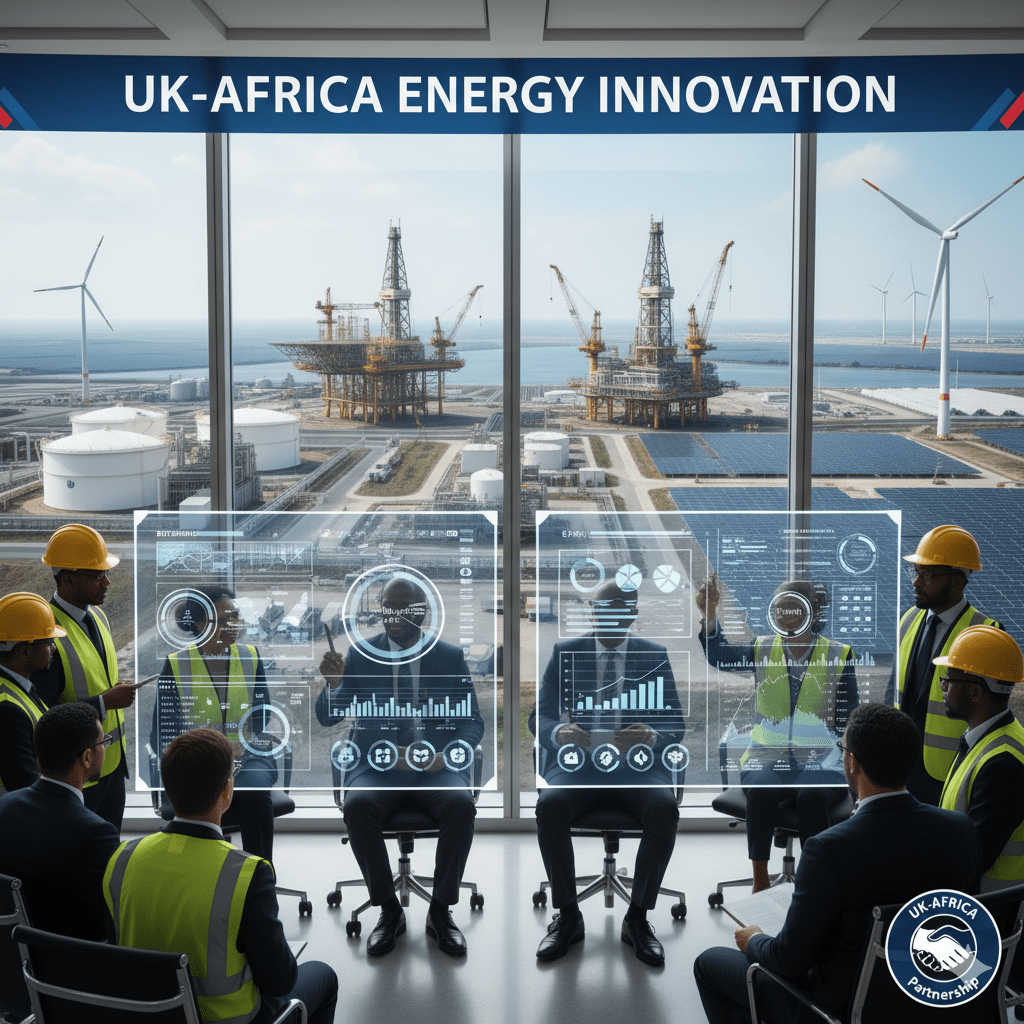
At the Wider African Energy Summit (WAES) in Aberdeen, industry leaders emphasized the growing importance of UK-Africa energy collaboration in accelerating sustainable energy development. Speakers highlighted how North Sea engineering expertise, offshore delivery experience, and advanced workforce training can help African nations strengthen energy systems and reduce emissions.
As African countries move to expand gas monetization, streamline project execution, and enhance environmental performance, the UK’s mature energy ecosystem offers practical tools that directly support clean energy solutions for Africa and long-term sustainable energy development.
NJ Ayuk, Executive Chairman of the African Energy Chamber, underscored the need to scale production efficiently. “What you have developed here [in Aberdeen] can transform our continent,” he noted, stressing how vital UK support for African energy is in enabling low-carbon operations. He also warned that restrictive policies in mature markets could indirectly harm Africa’s investment appetite, calling instead for a “just, orderly and fair” transition.

Transforming Africa’s Energy Supply Chain
Jason White, General Manager for Exploration at Seplat Energy, outlined opportunities across power generation and LNG exports. He stated that IOC divestments create room for domestic players who can deploy capital more quickly and effectively, reinforcing the need for UK support for African energy projects.
The UK’s strengths in offshore engineering, safety standards, and project management align seamlessly with Africa’s goals for lower-carbon, resilient energy systems. AFBE-UK Co-Founder Ollie Folayan described the partnership as “a symbiotic relationship – the needs of an emerging market met by a mature industry ready to look further afield,” pointing out that engineering education and professional development are essential components of clean energy solutions for Africa.
Accelerating Lower-Carbon Operations
Speakers also discussed delivery models that allow Africa to scale energy output while reducing emissions. FPSO specialist Altera Infrastructure shared how long-term lease-and-operate models can accelerate timelines and train local talent. Their work with Eni on Ivory Coast’s Baleine field – delivering the first FPSO just 18 months after FID – demonstrates how standardized systems and experienced partners speed progress.
Modern FPSOs now integrate improved gas management, reduced flaring, and lower-emission operations, directly supporting UK-Africa energy collaboration and broader sustainable energy development across the continent.
Organized with the African Energy Chamber, Society of Petroleum Engineers, Energy Industries Council, Scottish African Business Association, UK-Ghana Chamber of Commerce, and Global Underwater Hub, WAES serves as a key platform connecting Africa’s energy opportunities to the UK and European supply chain. The summit fosters new partnerships that advance both clean energy solutions for Africa and long-term regional development.
For travel and regional insights, explore: https://travel.afrikeye.com/
This story was first reported by APO Group. Read the full article here.