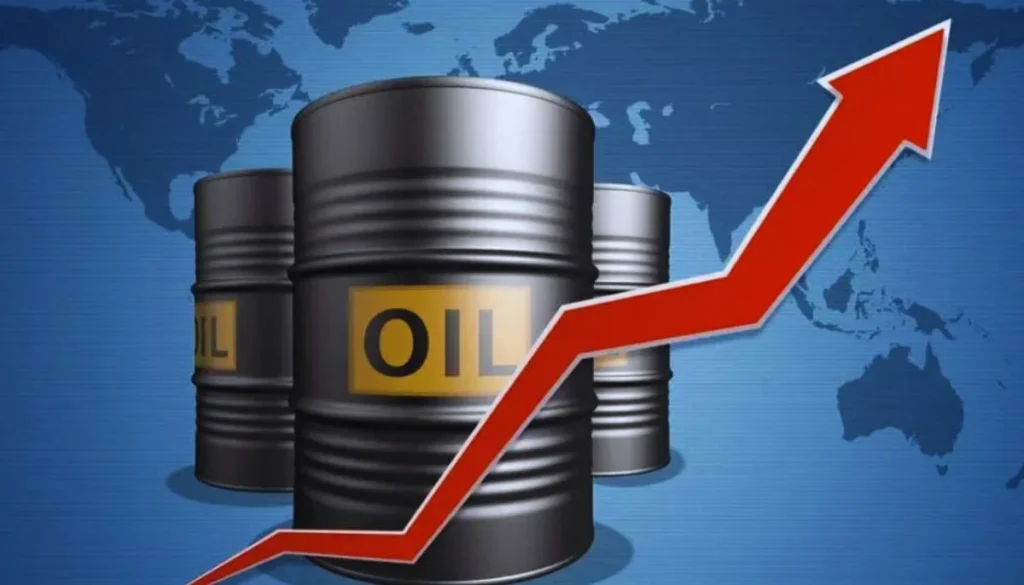
Oil Price Explodes Past $100: Global Markets in Turmoil Amid 2026 Crisis
The global economy is facing a seismic shift this week as the oil price has officially shattered the $100 per barrel ceiling. As of March 9, 2026, the combination of regional conflict and supply chain uncertainty has sent energy markets into a frenzy. For businesses, travelers, and everyday consumers, this sudden spike represents a significant challenge to financial stability and inflation control worldwide.
From the trading floors of New York to the petrol stations of Nairobi, the reality of high-cost energy is setting in. According to reports from Al Jazeera, the benchmark Brent crude has reached levels not seen in years, driven almost entirely by the escalating hostilities in the Middle East.
Current Market Status: The 30% Surge Explained
The numbers are staggering. In a single trading session, Asian equities plunged as the oil price soared by a massive 30%. This volatility is reflected in the WTI Crude Oil price data, which shows a vertical climb that has caught many analysts by surprise. Even regional benchmarks, such as the Western Canadian Select (WCS), are seeing a sympathetic rise as the world scrambles for alternative energy sources.
Geopolitical Drivers: Why the Middle East Conflict is Spiking Costs
The primary driver behind this record-breaking oil price is the intensification of the Iran conflict. With the Strait of Hormuz—the world’s most vital oil artery—facing threats of closure, the “risk premium” on every barrel of oil has expanded. The Express Tribune notes that even a minor disruption in this region can trigger a domino effect across the global business sector.
This is a classic example of how modern sports business and global trade are tethered to political stability. When energy costs rise, everything from stadium lighting to international team travel becomes more expensive, impacting the sports industry directly.
Impact on Global Equities: Asian Markets in Retreat
The surge in the oil price has had an immediate and negative impact on stock markets. As energy costs rise, the cost of manufacturing and shipping increases, leading to fears of a global recession. Central banks are now under immense pressure to manage interest rates while shielding their populations from the health and safety risks associated with energy poverty.
Africa News Update 2026: Energy Security and Economic Resilience
As part of our broader Africa news update 2026, many African nations are feeling the “double-edged sword” of high energy costs. While oil-exporting nations like Nigeria and Angola may see a short-term revenue boost, the continent’s business hubs are struggling with the rising cost of transportation and electricity.
This situation highlights the importance of maintaining a strong financial position.
Recommended Reading: Understanding how astrong credit rating can attract investmentis more vital than ever during an energy crisis. Additionally, stay informed on thegeopolitical roots of the 2026 oil spikeand learn aboutnew initiatives for price transparencyto help your business navigate these volatile times.
Price Transparency: Navigating Volatile Energy Markets
In 2026, advanced tech tools and AI-driven analytics are becoming essential for companies trying to predict the next shift in the oil price. By utilizing real-time data, businesses can hedge their energy costs and adjust their logistics and travel plans to minimize the financial impact. This era of digital transparency is one of the few shields available against the unpredictable nature of global politics.
Conclusion: A High-Stakes Environment for Global Business
The current trajectory of the oil price suggests that $100 might just be the new floor rather than the ceiling. As long as regional tensions remain high, the global energy market will continue to be a source of anxiety. For the investor community, the focus must remain on diversification and staying informed through reliable data.
For more on AI in market forecasting or to plan your next business trip with fuel costs in mind, keep your eyes on Afrikeye.com.