Malaria Alert 2026: Cases and Deaths Double in Gauteng Surge
The fight against malaria has taken a distressing turn in South Africa this April 2026. Health officials in Gauteng have issued an urgent “red alert” following a statistical spike that has seen both infection rates and fatalities double compared to the same period last year. As part of our Africa News Update 2026, we are investigating the root causes of this resurgence in a province traditionally considered a low-risk zone. For international travelers and local residents, understanding the shifting dynamics of malaria transmission is no longer optional it is a matter of survival as the parasite adapts to new environmental conditions.
The 2026 Outbreak: Why Gauteng is Ground Zero
Gauteng, South Africa’s economic hub, is currently witnessing an unprecedented surge in malaria cases that has overwhelmed local clinics. While the province is not typically a high-endemic area like Limpopo or Mpumalanga, the 2026 season has defied historical data.
Stat Check: Analyzing the Doubling Infection Rates
According to the latest reports, the Gauteng Health Department issued a warning after identifying a cluster of “Odyssean malaria”—where mosquitoes are transported from endemic regions via vehicles or luggage. The numbers are staggering: official records show that cases and deaths have doubled within just the first two weeks of April. This rapid escalation suggests a breakdown in traditional containment strategies.
Africa News Update 2026: Climate Change and Mosquito Migration
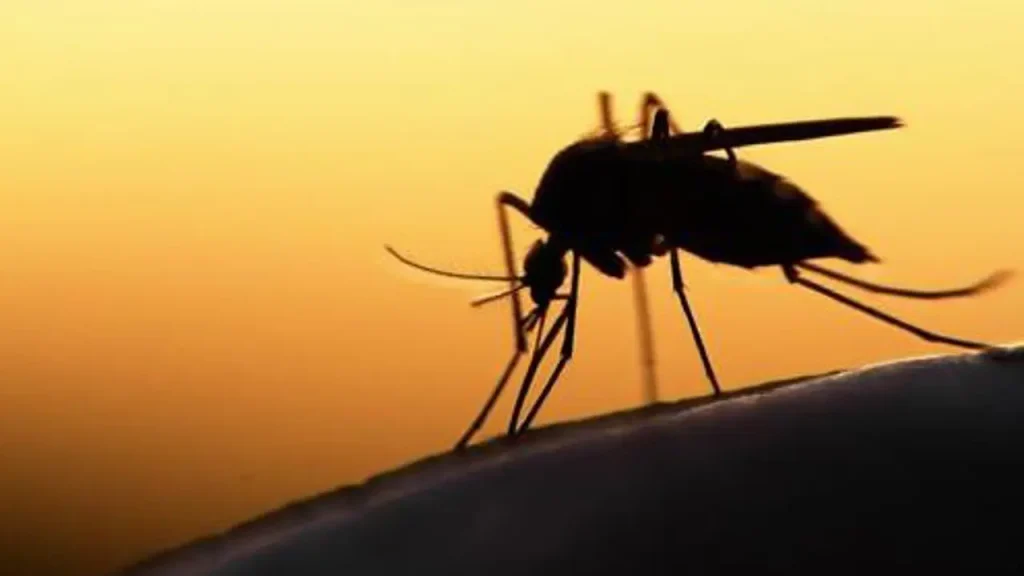
In our Africa News Update 2026, climate analysts point to an unusually wet and warm autumn as the primary driver. The Anopheles mosquito, the primary carrier of the malaria parasite, thrives in stagnant water left by late-season rains. Furthermore, the 2026 heatwaves have accelerated the parasite’s incubation period, meaning a single infected mosquito can transmit the disease much faster than in previous decades.
Symptoms to Watch: When “Flu” is Actually Malaria
The danger of the current Gauteng surge is misdiagnosis. Many patients mistake early signs for a common cold or the latest flu strain.
- Key Symptoms: High fever, chills, profuse sweating, and severe headaches.
- The “Silent” Killer: If left untreated for more than 24 hours, malaria can progress to cerebral complications or organ failure.
Health officials are urging anyone who has recently traveled or lives near transit hubs to demand a blood test if they experience persistent fever. You can read more about maintaining a strong immune system in our Health category.
Protecting Travelers: Advice for USA and International Visitors
For our USA-based audience planning a visit to South Africa, caution is paramount. While the travel guides often focus on the beauty of the region, the 2026 health landscape requires practical preparation:
- Prophylaxis: Consult a travel clinic at least two weeks before departure.
- Repellents: Use DEET-based sprays, especially during dawn and dusk.
- Screening: Stay in accommodations with mosquito nets or air conditioning.
The Role of Tech and AI in Combatting the 2026 Surge
The integration of AI and machine learning is becoming a game-changer in tracking these outbreaks. Predictive models are now being used to identify potential “hotspots” in Gauteng before the cases spike. This tech-driven approach allows health departments to deploy indoor residual spraying more effectively, potentially saving thousands of lives.
Conclusion: A Call for Urgent Vigilance
The doubling of malaria deaths in Gauteng is a sobering reminder that the battle against tropical diseases is far from over. As the business world and sports events continue to draw people into the province, public health must remain the top priority. Stay informed, stay protected, and never ignore a fever in an outbreak zone.
For continuous updates on the 2026 health crisis, keep following our Afrikeye.