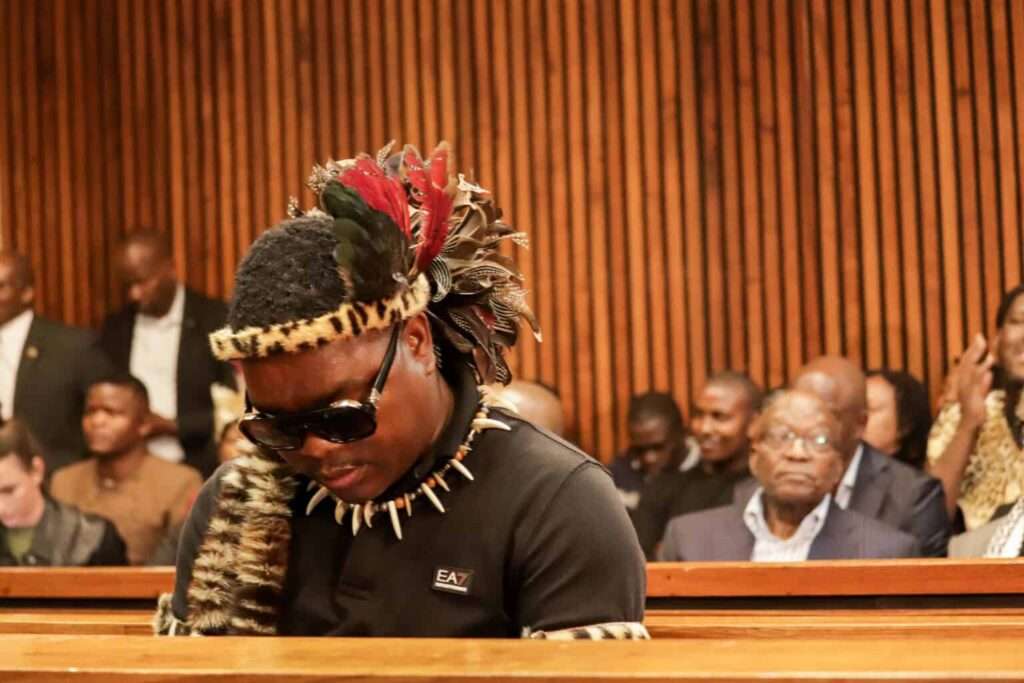
Shocking Judicial Blow: Ngizwe Mchunu Formally Apologises to Malema After Contempt Conviction
The South African judiciary has reasserted its absolute authority over political commentators as controversial cultural figure ngizwe mchunu issued a public apology to clear a contempt of court conviction. The sudden capitulation follows an immediate warrant of arrest issued against the former broadcaster for failing to appear in court over his ongoing legal battles. For accountability across Southern Africa, the case demonstrates that populist influence cannot shield public figures from institutional legal consequences.
According to reports by The Citizen, the specialized court handles defamation and public safety violations strictly to deter political incitement. The swift legal action forced the defense team to abandon its previously aggressive stance. Legal analysts note that the development shifts the dynamics of local politics, proving that judicial systems remain resilient against extra-judicial pressure.
The Legal Downfall of Ngizwe Mchunu and Its Impact on Political Speech
The original dispute escalated after the media personality made highly inflammatory public remarks targeting Economic Freedom Fighters leader Julius Malema. As documented by Snl24, the comments triggered a protracted defamation suit that the former presenter repeatedly tried to evade through procedural delays. When the defendant failed to present himself for scheduled hearings, the presiding magistrate initiated criminal contempt proceedings.
Faced with immediate imprisonment, the prominent cultural influencer signed a comprehensive retraction retracting all derogatory statements made against the opposition politician. The signed document acknowledges the dignity of the court and explicitly apologises for undermining the judicial process. This formal submission effectively cancels the active arrest warrant, though it leaves the broadcaster’s public reputation severely compromised.
The financial and social stakes of this legal showdown are immense for South Africa’s media and entertainment landscape. Public figures frequently use digital platforms to amplify ethnic tensions, often ignoring the strict laws governing public defamation and hate speech. This ruling shows that digital broadcasting carries heavy civil liabilities, which could directly impact media jobs and corporate sponsorships for polarizing commentators.
Furthermore, the case intersects with broader national concerns regarding state stability and public order. Unchecked political rhetoric has previously triggered widespread unrest in KwaZulu-Natal and Gauteng, severely disrupting local business networks and municipal logistics. By enforcing compliance, the courts are actively protecting the domestic economy from the volatile consequences of targeted political smear campaigns.
In a detailed report by the Sunday Independent, magistrates clarified that no individual operates above statutory law, regardless of their cultural standing. Julius Malema’s legal representatives welcomed the apology, stating it vindicates their client’s decision to seek institutional redress instead of political retaliation. The state prosecution emphasized that maintaining court decorum is a non-negotiable prerequisite for a functional democracy.
The diplomatic and governance implications reflect a positive regional trend across the Southern African Development Community. Countries like Zambia and Malawi have recently tightened judicial oversight on political actors to prevent ethnic mobilization during election cycles. This specific judgment provides an authoritative blueprint for African judiciaries navigating the complex politics of free speech versus state stability.
The structural resolution aligns with the African Union’s African Charter on Human and Peoples’ Rights, which balances individual expression with collective national security. It offers an invaluable lesson to neighboring administrations: independent judiciaries are the ultimate safeguard against political decay. When courts compromise with populist figures, the entire governance framework begins to fracture.
As political factions process the ruling, local sports and cultural organizations are adjusting their compliance policies for public representatives. Independent media platforms must now implement rigorous screening protocols to avoid vicarious liability for live broadcasts. While public opinion on the harshness of the warrant remains divided, Afrikeye notes that the rule of law has achieved a decisive victory over political theater.
The focus now turns to the civil damages phase of the lawsuit, where financial penalties will be finalized. Observers are monitoring whether the defendant will maintain this cooperative stance or revert to populist rhetoric once the immediate threat of incarceration subsides. The next legislative sitting will likely debate stricter social media regulations to prevent similar public defaming incidents.