Rachel Kolisi Back Home After Sudden Hospitalisation Sparks Sub-Continental Outpouring
Rachel Kolisi, South Africa’s most prominent philanthropist and co-founder of the Kolisi Foundation, returned home this week after a sudden hospitalisation sent waves of public concern across the sub-continent. She responded the way her supporters have come to expect — with humour, honesty, and a disarming candour that turned a medical scare into a moment of collective solidarity. The incident has once again confirmed what millions across AfrikEye already know: Rachel Kolisi is not simply a public figure — she is an institution.
On 18 May 2026, Rachel Kolisi shared a carousel of images on Instagram showing herself on a hospital gurney, surrounded by close friends and family. According to News24’s coverage of the hospitalisation, the post drew an immediate flood of concern, and then relief, as her caption made it clear she was stable. She did not disclose the precise nature of her injuries, though her wording — “Took Falling Forward a little too seriously” — was a pointed nod to her documentary and memoir of the same name. She confirmed her discharge shortly after and began her recovery at home.
Her family publicly thanked the medical team that managed the situation with speed and care. InboundSA’s detailed account of the recovery confirmed her condition had stabilised, with rehabilitation continuing in a calm home environment. For the corporate sponsors and grassroots partners whose programmes depend on her active leadership, the news brought considerable relief.
Rachel Kolisi has long occupied a distinctive position in South African public life — less celebrity, more conscience. As co-founder of the Kolisi Foundation, she operates at the intersection of healthcare access, education, and community resilience across several of the country’s most underserved provinces. Her public candour about mental health, the toll of divorce, and the demands of raising children through upheaval has built a following that is loyal not because she is aspirational, but because she is real. As AfrikEye’s health coverage has consistently documented, that kind of authentic public voice carries weight far beyond celebrity.

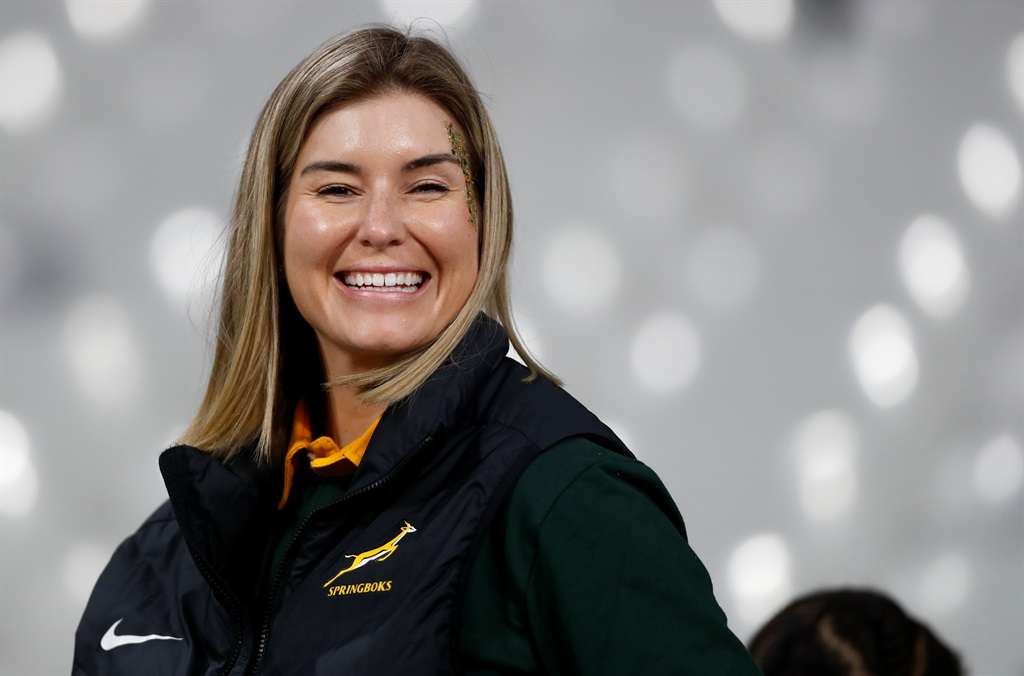
The demands placed on Rachel Kolisi mirror a wider pattern across African civil society. Prominent grassroots leaders routinely absorb the service delivery gaps left by underfunded state institutions, running at unsustainable personal cost. AfrikEye’s reporting on the assassination of North West activist Thato Molosankwe illustrates the extreme end of that toll. Rachel Kolisi’s hospitalisation — while far less violent in cause — raises the same structural question: what happens to the communities these individuals serve when the person at the centre falls?
The public reaction proved the point sharply. Johannesburg-based media analyst Khaya Dlanga observed that the digital response confirmed African audiences regard Rachel Kolisi not as a celebrity but as a shared national figure — someone whose health feels personal to millions who have never met her. ZAlebs reported that Rachel Kolisi used pointed humour to keep her followers grounded, writing: “Doctors said take a load off. I got competitive.” That single line, widely shared across platforms, shifted the story from panic to warmth within hours.
Local health advocate Dr. Lerato Ndlovu welcomed the approach. She argued that when high-profile figures like Rachel Kolisi normalise hospitalisation — treating it as something that happens to real people rather than something to hide — they help dismantle the cultural silence around medical vulnerability. At the same time, Ndlovu was clear that the media must hold its distance. Genuine recovery requires privacy, and sustained healing cannot happen under a spotlight.
The concern that spread from Cape Town to Nairobi reflects a continental shift that is gathering pace. Across Africa, public figures in politics, sport, and civil society are increasingly willing to share their health struggles openly — a break from the tradition of institutional stoicism that long defined elite communication on the continent. This shift connects directly to the social well-being frameworks embedded in the African Union’s Agenda 2063, which envisions transparent, mutually supportive communities as foundational to Africa’s long-term development. Rachel Kolisi, whether or not she frames it in policy language, is living that vision publicly.


South Africa’s handling of this episode also carries a message for the rest of the Southern African Development Community. The country’s medical institutions managed this situation quickly and effectively, allowing Rachel to recover without any reported complications requiring transfer abroad. At a time when medical tourism among African elites remains a persistent drain on continental talent and resources, that matters. For regional context on South Africa’s evolving health infrastructure and the pressures it faces, AfrikEye’s coverage of the Ebola escalation in the DRC underscores just how much the continent’s health capacity is being tested from multiple directions simultaneously.
What is clear from this episode is that Rachel Kolisi’s foundation needs to build beyond her. The Kolisi Foundation’s winter campaigns and long-term community programmes cannot afford to pause every time their most visible figure needs rest. The organisations that survive leadership health crises are those that have distributed responsibility before the crisis arrives — not those that scramble for continuity after it. Jacaranda FM’s update on Rachel’s recovery confirmed she had not yet resumed public engagements, with her team requesting continued privacy while she recovers. Wisely, they are not rushing her back.
Rachel Kolisi’s recovery is expected to be full. But the more consequential story is institutional. The foundations, foundations she built and the audiences she serves need structures resilient enough to hold while she heals. That is the lesson her hospitalisation leaves on the table — not just for the Kolisi Foundation, but for every civil society organisation on the continent that has built its identity around a single courageous person. For verified updates on leadership and wellness stories across Africa, follow AfrikEye, and plan any wellness or philanthropic travel through AfrikEye Travel.