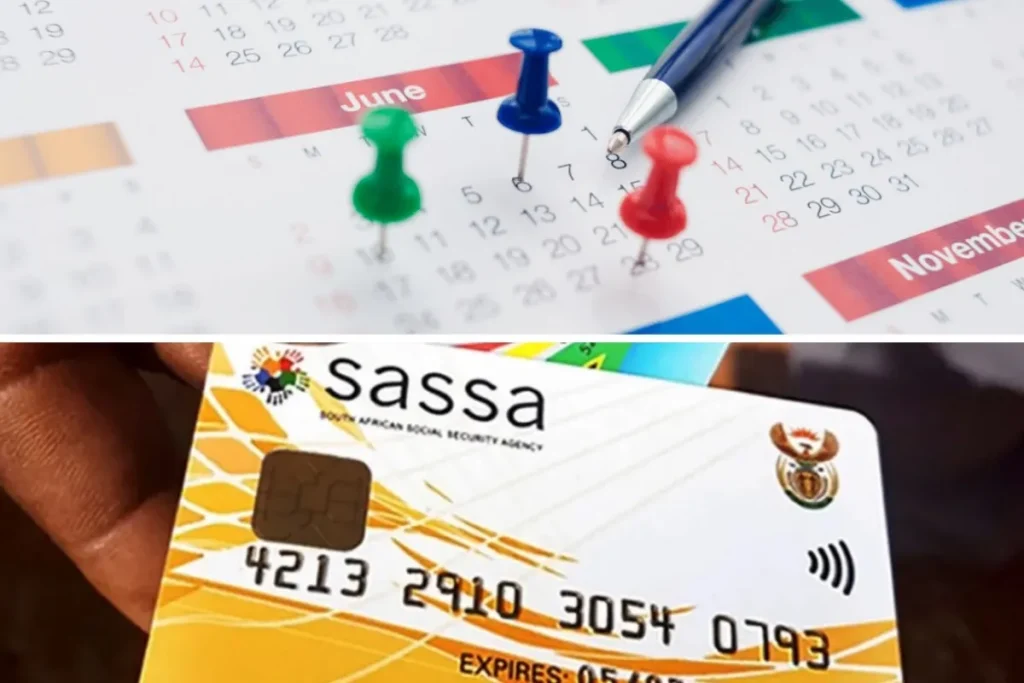
The South African Social Security Agency (SASSA) has introduced a mandatory sassa e-life certification requirement for 2026 to modernize the grant system and eliminate fraud. This new digital initiative, part of the Africa News Update 2026 cycle, requires beneficiaries to prove they are alive and eligible through advanced biometric checks. If you fail to meet these requirements, your monthly payments could be suspended without further notice.
In this guide, we will break down exactly what you need to do to satisfy the sassa e-life certification requirement, whether you prefer using the online portal or visiting a local office.
What is the SASSA E-Life Certification Requirement?
The sassa e-life certification requirement is a statutory process under the Social Assistance Act. It serves as a “proof of life” for millions of South Africans receiving old-age, disability, or child support grants. By implementing the Electronic Know Your Client (eKYC) system, SASSA ensures that public funds reach the rightful individuals.
Why the 2026 Verification is Mandatory
In early 2026, SASSA identified thousands of “ghost” beneficiaries. To combat this, the agency now requires an annual biometric check. This ensures that:
- Funds are not paid to deceased individuals.
- Identity theft is prevented through facial recognition.
- The grant system remains sustainable for those truly in need.
Essential Requirements for E-Life Certification
To complete the process successfully, you must have the following items ready:
- Valid South African ID: A Smart ID Card or Green Barcoded ID book.
- Registered Mobile Number: The phone number linked to your SASSA profile.
- Biometric Capability: A smartphone with a working camera for facial recognition (if doing it online).
- Internet Access: Stable data or Wi-Fi to access the SASSA Services Portal.
How to Complete Your Certification (Online vs. In-Person)
Beneficiaries are encouraged to use the digital self-service portal to avoid long queues at local offices.
Using the SASSA Self-Service Portal
The easiest way to meet the sassa e-life certification requirement is through the official website:
- Visit the SASSA Services Portal.
- Log in using your credentials or register a new profile.
- Select the “Life Certification” option.
- Follow the prompts for facial recognition; ensure you are in a well-lit room.
- Once the system matches your face with the Home Affairs database, you will receive a confirmation SMS.
How to Complete the SASSA E-Life Certification In-Person
If you do not have a smartphone, lack a stable internet connection, or struggle with digital platforms, visiting a SASSA local office is the most reliable way to meet the sassa e-life certification requirement.
While the digital portal is faster, the in-person method allows for manual verification by a SASSA official, which is essential if your fingerprints or facial features are difficult for the automated system to read.
Step 1: Locate Your Nearest SASSA Branch
Before heading out, identify the office closest to you. Note that during high-traffic periods, such as the Africa News Update 2026 reporting cycle in April, some satellite offices may have specific hours for life certification.
- Use the SASSA Office Locator to find current addresses and operating hours.
Step 2: Prepare Your Documentation
To ensure your visit is successful and to avoid being turned away, bring the following:
- Primary ID: Your original green barcoded ID book or Smart ID card. (Photocopies are generally not accepted for biometric verification).
- Proof of Residence: Although not always requested, having a recent utility bill can help if your contact details need updating.
- A Witness (If Applicable): If you are physically unable to sign your name or provide a thumbprint, you must bring a witness who is at least 18 years old and holds a valid ID.
Step 3: The Verification Process at the Office
Once you arrive, inform the floor manager or the help desk that you are there for the sassa e-life certification requirement.
- Queue Management: You will likely be given a ticket specifically for “Life Certification” or “Review.”
- Biometric Capture: A SASSA official will use a dedicated scanner to capture your fingerprints or take a high-resolution photo of your face.
- Data Validation: Your biometric data is compared in real-time with the Department of Home Affairs (DHA) database.
- Proof of Submission: Crucial Step: Always ask for a stamped receipt or a reference number as proof that you completed your certification. This is your insurance if a technical glitch causes a payment delay.
Step 4: Dealing with “Peak Period” Challenges
April 2026 is a high-volume month for the agency. To minimize your wait time:
Check System Status: Before traveling, check local news updates to ensure the SASSA national biometric server is online.
Arrive Early: Aim to be at the office 30–45 minutes before opening.
Mid-Week Visits: Tuesday through Thursday are typically less crowded than Mondays or Fridays.
Africa News Update 2026: Deadlines and Payment Disruptions
Recent reports indicate that over 70,000 grants have already been suspended this year due to non-compliance. While SASSA typically sends a 90-day notice, some beneficiaries flagged for high-risk verification must comply within shorter timeframes.
Key Takeaway: If your grant is not paid on the scheduled April 2026 dates, check your status immediately on the portal. You may need to complete your sassa e-life certification requirement to reactivate your account.
Conclusion: Staying Compliant with SASSA
Staying on top of the sassa e-life certification requirement is the only way to ensure your financial security in 2026. Whether you choose the digital route or an in-person visit, completing this verification protects your benefits from fraud and ensures the system works for everyone.
Don’t wait for a suspension notice. Log into the portal today or visit your local branch to confirm your status. For more updates on digital tools, check out our latest tech guides or stay informed on business news.