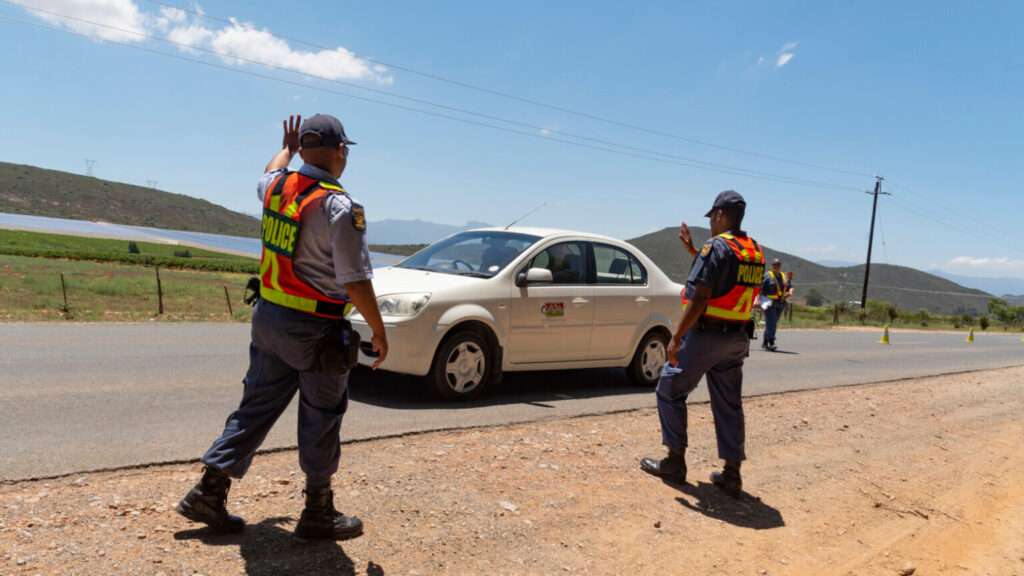
PRETORIA, South Africa — In what marks one of the most comprehensive overhauls of South Africa’s traffic management landscape, the country is bracing for a tectonic shift in how traffic violations are issued, processed, and penalized. The long-debated Administrative Adjudication of Road Traffic Offences (AARTO) Act is moving rapidly from conceptual legal frameworks into real-world enforcement. This historic transition shifts traffic violations out of the jurisdiction of local municipalities and away from the standard Criminal Procedure Act, re-routing them into a centralized, administrative model overseen directly by the Road Traffic Infringement Agency (RTIA).
This massive change represents an end of an era for local traffic fine administration, introducing an intense layer of centralization that has sparked heavy debate among legal bodies, municipal organizations, and logistics operators nationwide.
The upcoming administrative transition replaces legacy paper-heavy judicial pathways with a uniform system designed to expedite state revenue tracking and encourage accountability for reckless road behavior. However, the system’s operational readiness continues to trigger significant concerns. For years, the project ran on a pilot basis exclusively within the Johannesburg and Tshwane metropolises, hitting persistent roadblocks including integration defects, system vulnerabilities, and constitutional challenges. While the Constitutional Court ultimately cleared the system’s legal validity, practical rollout hurdles forced state planners to adjust their timelines, following a comprehensive readiness assessment that exposed severe deficiencies across various municipal information systems.
Preparing for the South Africa AARTO Implementation Date
According to official executive updates from the Department of Transport and the RTIA, the definitive south africa aarto implementation date for the critical second phase is officially set for Wednesday, 1 July 2026. This upcoming deployment will instantly introduce the new administrative traffic laws to 62 targeted municipalities across the country. This figure represents a slight reduction from the initially anticipated 69 municipalities, as seven local councils were dropped from the immediate launch list due to ongoing structural or system integration failures. Following this initial wave, Phase 3 is scheduled to activate between October and December 2026, expanding the platform’s footprint to an additional 151 municipalities nationwide, effectively pushing total municipal coverage to 213 active entities.
The legal and procedural re-engineering underpinning the AARTO framework shifts the entire architecture from criminal law to strict administrative adjudication. The most significant structural modification is the removal of a motorist’s immediate right to be tried by a competent court under standard criminal procedures. Instead, all incoming infringements will be served via advanced “electronic service” channels and managed via a centralized administrative hub.
Motorists who wish to challenge a fine must now navigate an interior administrative representation process managed directly by the RTIA. If these internal administrative remedies are exhausted or rejected, only then can an accused individual look to escalate their matter to a specialized appeals tribunal, a layout that critics argue strips away fundamental constitutional rights and adds an ominous administrative burden onto everyday citizens.
This administrative shift is causing ripples across the national politics landscape, as major metros and local authorities lose direct oversight of their traffic enforcement revenues. Simultaneously, the commercial sector is preparing for intense regulatory changes. In the highly competitive domestic business environment, fleet operators and logistics companies face severe operational risks. Under the new guidelines, fine notifications are tied directly to corporate operator cards and vehicle registration discs. If an enterprise fails to immediately nominate the specific driver responsible for an individual infraction, the resulting administrative penalties will default directly onto the corporate entity, which can instantly freeze vehicle license renewals, cause severe operational downtime, and lead to un-insured transport asset losses.
Compounding these organizational challenges are critical statements raised by prominent traffic infringement specialists regarding the system’s legal consistency. Cornelia van Niekerk, the owner of compliance advisory firm Fines4U, has written a formal petition directed to Transport Minister Barbara Creecy and the RTIA leadership highlighting severe procedural anomalies. Van Niekerk warned that authorities continue to violate mandatory legal timelines and statutory guidelines set forth in the AARTO regulations. She argued that public confidence in the system will completely collapse unless state authorities are held to the exact same legal standards as the motorists, insisting that enforcement orders must be immediately revoked or canceled wherever issuing authorities fail to strictly comply with prescribed legal steps.
A major point of confusion among the public remains the status of the highly publicized driving demerit point system. Under Phase 4 of the broader master plan, motorists will accumulate demerit points for road violations, with a balance of 15 points triggering an automatic three-month driver’s license suspension. While this feature remains the most feared aspect of the legislation, the RTIA’s medium-term planning indicates that the demerit system will not launch on the 1 July date.
Instead, the agency has set a more gradual, vague timeline, suggesting that the point system will only move into active implementation closer to April 2027 or during the 2027/28 financial cycle. This delay offers an open window for corporations to integrate advanced fleet-tracking tech platforms, allowing transport managers to monitor driver behavior using automated telemetry data.
As the launch draws closer, the transport sector must focus heavily on proactive compliance to prevent sudden disruptions to corporate jobs and local delivery networks. Industry bodies note that keeping a clean corporate record will become a key factor for commercial insurers when calculating risk premiums and processing damage claims. Public opinion continues to express deep skepticism regarding whether the RTIA possesses the necessary staffing resources and backend infrastructure to manage millions of electronic notices without collapsing into administrative chaos.
While the primary goal of the legislation is marketed as a critical drive to lower national road fatalities, the upcoming months will prove whether the system successfully upgrades road health and safety standards or merely functions as an aggressive tool for accelerated revenue collection.