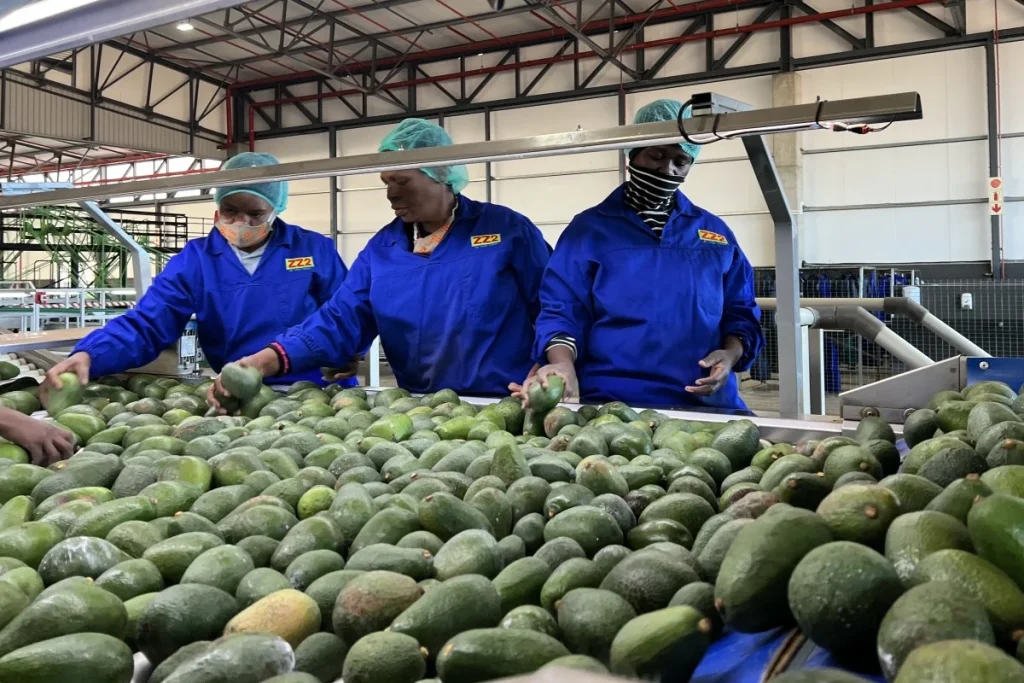
South Africa is actively seeking new export markets in Asia and Europe, particularly China, to reduce reliance on the United States amid rapidly deteriorating diplomatic relations.
Shifting Trade Focus
Relations with Washington soured after America boycotted the G20 summit in Johannesburg, accusing Pretoria of persecuting Afrikaner farmers—a claim South Africa strongly denies. US President Donald Trump later confirmed South Africa would not be invited to next year’s G20 summit in Miami, prompting Pretoria to intensify efforts to secure alternative markets.
The expiration of the African Growth and Opportunity Act (AGOA) removed duty-free access for many South African exports, while a 30% US tariff has hit farms, vehicle manufacturers, car parts makers, and mining companies.
Pivot to China and Asia
South Africa is now prioritizing China investments in Africa and expanding trade relations with Vietnam, Indonesia, and the European Union. Analysts note that Beijing stands to benefit significantly, deepening economic and political engagement while the US risks losing influence on the continent.
Tim Zajontz, interim professor of International Relations at the University of Freiburg, explained that South Africa aims to redirect exports—including car parts, manufactured goods, and agricultural products—through subsidies, trade facilitation, and strategic diplomacy.
“The estrangement from the US will further intensify economic and political cooperation between South Africa and China,” Zajontz said.
South African delegations have visited key Asian markets, while President Cyril Ramaphosa engaged with investors at the EU’s Global Gateway Forum in Brussels and toured Ireland and Switzerland.
Deepening South Africa-China Economic Ties
Chinese Premier Li Qiang emphasized Beijing’s commitment to supporting South Africa’s core interests, aligning development strategies, and deepening cooperation in sectors such as mining, infrastructure, automotive, and renewable energy.
Zajontz added that China’s market is increasingly open to African goods and services. South Africa’s mineral exports to China and automotive investments are expected to grow, along with initiatives in transport, energy, and digital infrastructure.
Expanding European Partnerships
Simultaneously, South Africa has strengthened ties with Europe through the Clean Trade and Investment Partnership, securing market access and investment for green economy projects. The agreement emphasizes battery production and the export of electric vehicles to the EU.
Strategic Implications
Experts argue that China’s growing role as a reliable partner contrasts sharply with unpredictable US support. John Calabrese, senior fellow at the Middle East Institute, stated that Beijing’s engagement reinforces its position as Africa’s “go-to ally,” encouraging other African nations to explore BRICS-led partnerships.
Professor John Kirton of the University of Toronto added that China’s investment in critical infrastructure—ports, railways, and logistics—further solidifies its influence across the continent.
South Africa’s pivot to Asia and Europe signals a major reshaping of international economic relations, with China emerging as the principal beneficiary.
South Africa’s strategic shift highlights a future where south africa-china economic ties and diversified trade partnerships will play a central role in sustaining the nation’s growth and political leverage.
Explore opportunities to visit Africa and understand its evolving economic landscape here.