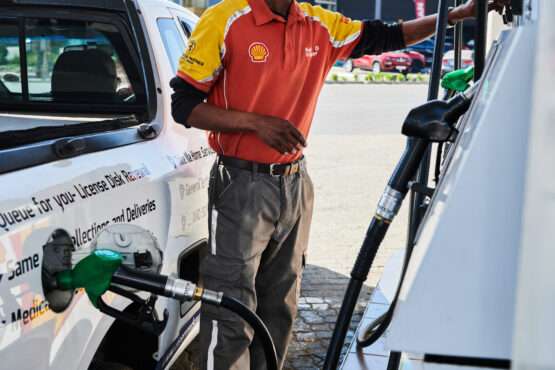
South African motorists face a steep petrol price hike of R1.43 per litre this month, compounding the cost of living in Africa’s most industrialized economy. This sudden south africa petrol price increase threatens to ripple across the Southern African Development Community region. Neighbouring countries relying on South African supply chains are already bracing for imported inflation.
The Department of Mineral Resources and Energy confirmed the latest adjustments this week. Petrol will jump significantly, though diesel users will secure a slight reprieve. Currency fluctuations and global oil dynamics remain the primary drivers of this economic squeeze.
South Africa imports almost all of its liquid fuel requirements. The rand has struggled to maintain ground against the US dollar amid domestic politics and global high interest rates. This currency weakness amplifies the cost of crude oil purchased on international markets.
Initial data from the Central Energy Fund had sparked hopes for relief at the pumps. Early optimism reported by BusinessTech suggested price joy was imminent. However, recent market volatility has definitively dashed those expectations.

Analysts at IOL caution consumers not to expect a reversal in July. They cite unstable international petroleum product prices as a persistent headwind. Economists speaking to Moneyweb warn that the R1.43 spike could delay anticipated interest rate cuts by the South African Reserve Bank.
Every cent added to the fuel price strips disposable income from consumers. This hits the broader business environment directly as retail prices climb. Transport costs dictate the final shelf price of essential goods from Johannesburg to Cape Town.
Transport inflation acts as a regressive tax that hits working-class citizens hardest. Analysts participating in recent platform ama discussions highlight that commuters utilizing minibus taxis will bear the immediate brunt of the petrol hike. The rising cost of living is increasingly pushing vulnerable households into food insecurity, creating an urgent public health challenge.
Diesel relief offers a minor buffer for large-scale agriculture and freight. This marginal reduction will assist the heavy-duty haulage sector responsible for moving food across the country. Yet it remains entirely insufficient to cool broader consumer inflation or stimulate the creation of new jobs.
South Africa Petrol Price Increase Deepens Regional Economic Strain
South Africa is not fighting this macroeconomic battle alone. From Nigeria’s painful removal of fuel subsidies to Kenya’s contentious value-added tax on petroleum, African governments are struggling. States across the continent are failing to shield citizens from volatile energy shocks.
These logistical bottlenecks actively undermine the goals of the African Continental Free Trade Area. High cross-border transport costs make intra-African trade less competitive than importing goods from Asia. Regional opinion among economists is that solving the continent’s energy reliance is a structural necessity.
Landlocked neighbors like Lesotho and Eswatini will absorb this fuel inflation directly. Their reliance on South African ports and trucking networks means Pretoria’s economic pain becomes regional pain. This dynamic underscores the core reporting mission of Afrikeye, highlighting how national economic policies carry inescapable continental consequences.
Corporations are scrambling for efficiency to survive the squeeze. Some logistics firms are turning to tech to mitigate these harsh overheads. Route optimization powered by AI is helping major trucking companies reduce fuel consumption.
The fallout reaches beyond traditional commerce. The hike will squeeze the regional travel and tourism sector heading into the winter months. Even domestic sports leagues are warning of increased operational costs for cross-provincial tournaments and fan mobility.
The South African Reserve Bank meets later this month to decide on monetary policy. Policymakers will carefully weigh this fuel spike against sluggish economic growth. Citizens must prepare for sustained pressure at the pumps throughout the third quarter.