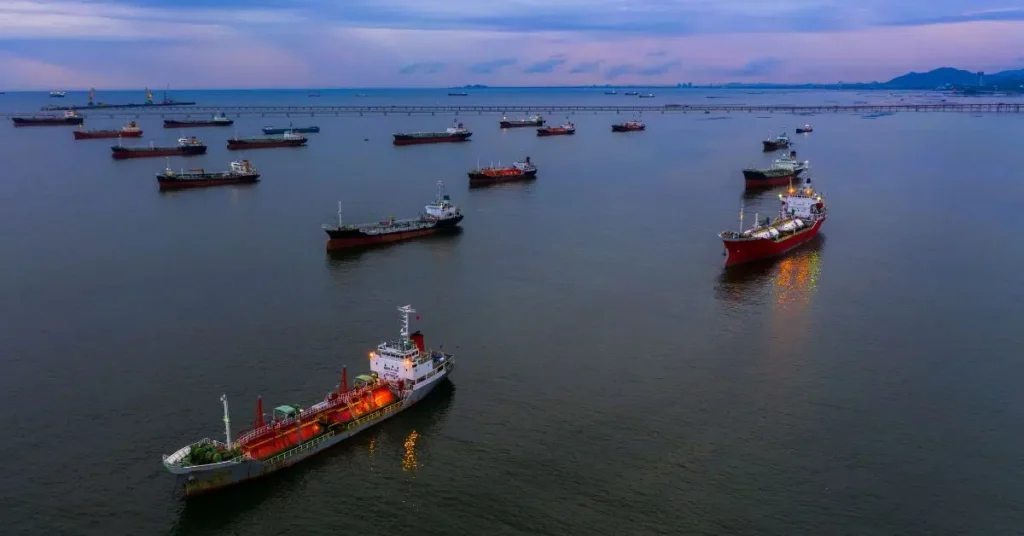
The geopolitical and economic stability of global trade routes frequently hinges on a few critical maritime choke points. At the forefront of international energy security is the strait of hormuz, a narrow waterway that facilitates the transit of a massive percentage of the world’s petroleum liquids and liquefied natural gas. Recent diplomatic and military shifts in the region have once again placed this vital passage under a global microscope, changing the rules of engagement for international shipping companies.
For the most up-to-date analysis of international trade, geopolitical shifts, and daily global news, you can always rely on Afrikeye, your primary digital platform for deep-dive journalism.
When regional powers alter their management strategies for international waters, the ripple effects are felt instantly across global stock markets and supply chains. Commercial logistics companies must continuously adapt to shifting security protocols and new financial requirements. In this comprehensive post-match analysis of the region’s current state, we will explore the historic new administrative coordination between neighboring nations, the explicit rules set by local naval forces, and the international political pressures shaping the waterway’s future.
Joint Management: The Iran-Oman Toll Initiative
Historically, navigating the chokepoint has required careful compliance with international maritime laws. However, a major administrative shift has recently occurred as regional neighbors look to consolidate their oversight of commercial transit. In an unprecedented diplomatic move, reports have emerged confirming that Iran and Oman are coordinating the management of the Strait of Hormuz tolls and ships.
This collaborative effort introduces a new framework for how commercial vessels are tracked and taxed as they pass through these highly sensitive territorial waters. By establishing a unified toll system, both nations aim to generate revenue to offset the rising costs of maritime security and environmental monitoring. For global shipping conglomerates, this means recalculating the operational costs of moving cargo through the Middle East, potentially influencing the final retail prices of consumer goods worldwide.
The coordination also marks a significant shift in regional diplomacy. Oman has traditionally acted as a neutral mediator in the region, and its direct involvement in managing ship transits alongside Iranian authorities adds a layer of formal bureaucracy that international naval task forces must now navigate.
Open Navigation Dependent on Naval Cooperation
As the implementation of new toll systems progresses, the military presence within the waterway remains incredibly high. The regional naval forces hold ultimate authority over physical access to the shipping lanes, making clear communication between commercial captains and military commanders absolutely vital to avoid misunderstandings.
To clarify their operational stance amidst rising global scrutiny, military leaders have issued formal guidelines to international fleets. It was recently publicized that Iran announces the Strait of Hormuz is open to all ships if they cooperate with its navy, sending a clear message regarding who controls the flow of traffic.
- Mandatory Identification: Vessels must broadcast clear identification data and destinations upon entering the zone.
- Security Compliance: Ships are required to respond immediately to radio queries from patrolling naval corvettes.
- Environmental Protocols: Adhering to strict pollution guidelines to protect the delicate marine ecosystem of the gulf.
This approach demonstrates that while the waterway remains legally accessible under specific transit passage frameworks, absolute freedom of movement is practically contingent on respecting the authority of local law enforcement agencies.
Geopolitical Friction and Blockade Warnings
The economic and bureaucratic changes are unfolding against a backdrop of intense international political friction. Global superpowers, particularly the United States, view any restriction or increased taxation on the strait of hormuz as a direct threat to the global economy.
The rhetoric from international leaders has intensified significantly as regional conflicts continue to simmer. Media coverage from global broadcasting agencies has focused heavily on the Iran war latest with discussions surrounding a potential blockade of the Strait of Hormuz. The mere suggestion of a military blockade can cause oil prices to spike overnight, complicating trade agreements and forcing international markets to search for alternative energy supply chains.
The international community continues to deploy naval escorts to protect commercial tankers, turning the narrow passage into one of the most heavily monitored and heavily militarized bodies of water on the planet.
The Role of Technology in Modern Maritime Security
Managing and securing a critical choke point like the strait of hormuz requires an immense technological infrastructure. Coastal radar installations, automated identification systems (AIS), and satellite monitoring networks work continuously to track hundreds of massive tankers simultaneously. Advanced technology allows authorities to spot anomalies in a ship’s trajectory, alerting security forces to potential steering failures or unauthorized route deviations.
Furthermore, the integration of predictive AI algorithms is revolutionizing maritime defense. These software systems can analyze historical shipping patterns to predict potential bottleneck zones or identify vessels that might be attempting to bypass standard toll reporting mechanisms. By automating the tracking process, regional authorities can manage the massive volume of daily traffic with greater efficiency.
Implications for Global Commerce and Corporate Travel
The stability of international maritime corridors directly impacts broader economic sectors, including the corporate travel and hospitality industries. When fuel prices fluctuate due to tensions in the strait of hormuz, airline companies are forced to adjust their ticket prices to cover rising jet fuel costs.
For corporate professionals who regularly travel internationally to manage global supply chains, these microeconomic shifts can lead to tighter corporate travel budgets and altered logistical timelines. Ensuring the smooth, unhindered flow of resources through global chokepoints is essential for maintaining the stability of international commerce.
Frequently Asked Questions (FAQs)
Why is the strait of hormuz so globally important? The strait of hormuz is the world’s most critical oil transit chokepoint. Approximately one-fifth of the world’s total petroleum consumption passes through this narrow waterway daily, making its stability vital to global energy markets.
What is the new agreement between Iran and Oman? Iran and Oman are actively coordinating a joint management system designed to oversee shipping traffic and implement a new toll structure for commercial vessels passing through their shared maritime borders.
Is the shipping lane currently safe for international transit? While regional authorities have stated that the passage is completely open to all commercial vessels that cooperate with local naval forces, the high level of military presence and ongoing international political friction mean that security risks remain a constant concern for maritime insurance companies.
Conclusion
The shifting dynamics surrounding the strait of hormuz reflect a broader trend of regional powers asserting greater control over critical international trade assets. The introduction of joint Iran-Oman toll systems, combined with strict navy cooperation requirements, marks a new era in the administrative history of the waterway. As global markets continue to monitor the tense geopolitical rhetoric and potential blockade threats, the strategic importance of the strait of hormuz will only grow, serving as a reminder of how deeply connected modern economic survival is to the security of a single geographic chokepoint.