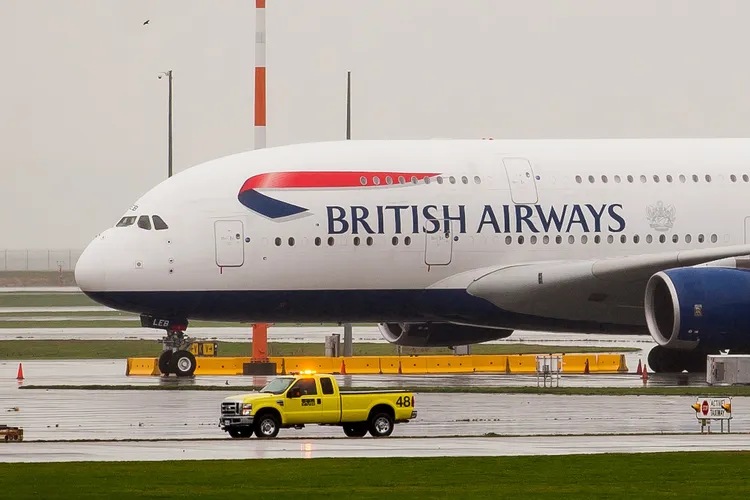
Taxi Jobs Take New Meaning as Pilots Earn $100K
The idea of a taxi job is changing in an unexpected way, as new developments in aviation reveal that pilots are now being paid up to $100,000 annually to handle aircraft movement on the ground. This shift highlights how industries are redefining roles to improve efficiency and reduce delays.
In aviation, the term taxi refers to moving an aircraft between runways and gates. While this has always been part of standard pilot duties, assigning it as a dedicated role marks a significant operational change.
According to People Magazine, British Airways is introducing this approach at Chicago O’Hare International Airport to improve ground operations.
For more updates, visit AfrikEye.
What Ground Movement Means in Aviation
Aircraft movement on the ground involves precise coordination between pilots and air traffic control. This process includes navigating taxiways, avoiding congestion, and positioning aircraft safely for takeoff or parking.
Traditionally, these responsibilities were handled by flight crews as part of their normal duties. However, the growing complexity of airport operations has increased the need for more structured systems.
Why Airlines Are Creating This Role
Airlines are introducing this specialized function to improve efficiency at busy airports. Reports from Simple Flying explain that congestion at major hubs has made ground movement a critical factor in maintaining schedules.
By assigning dedicated personnel, airlines aim to:
- Reduce delays during peak hours
- Improve aircraft turnaround times
- Lower fuel consumption caused by waiting periods
This approach reflects a broader trend of specialization within the aviation industry.
The Challenge of Busy Airports
High-traffic airports like Chicago O’Hare face constant pressure to manage large volumes of flights. Ground operations play a major role in determining overall efficiency.
According to Paddle Your Own Kanoo, delays on the ground can significantly impact entire flight schedules.
Managing Congestion Efficiently
Airlines are now focusing on better coordination and faster aircraft movement to reduce bottlenecks. Assigning trained pilots specifically for this task helps ensure smoother transitions between landing and takeoff.
A Shift in Aviation Job Roles
This development shows how traditional job roles are evolving. Instead of combining all responsibilities, airlines are breaking tasks into specialized functions.
This new model requires:
- Highly trained and certified pilots
- Strong coordination with control systems
- Advanced understanding of airport layouts
As a result, the role offers both responsibility and competitive compensation.
Africa News Update 2026: Broader Impact
As part of the Africa News Update 2026, this shift reflects wider changes in global aviation and employment trends. African aviation sectors are also growing, with increasing focus on modernization and efficiency.
Similar strategies could influence future airport operations across the continent as demand continues to rise.
Economic Considerations
Offering salaries of up to $100,000 highlights the importance of efficient ground operations.
Cost vs Benefit
While the approach may increase staffing costs, it can help airlines save money through:
- Reduced fuel waste
- Fewer delays
- Improved scheduling reliability
These benefits make the investment more practical over time.
Role of Technology
Technology is also playing a key role in improving ground operations. Advanced navigation systems and communication tools help pilots manage complex airport layouts more effectively.
This integration of digital tools is shaping the future of aviation worldwide.
Public Reaction
The idea of paying pilots specifically for ground duties has sparked discussion. Some see it as an innovative solution, while others question whether it is cost-effective.
However, industry experts generally agree that improving efficiency at major airports is essential.
Future Outlook
If successful, this model could expand to other major airports. Airlines are constantly looking for ways to improve operations, and specialized roles may become more common.
What Could Happen Next
- Expansion to other global hubs
- Increased use of automation
- More specialized aviation roles
These changes could reshape how airports operate in the coming years.
Conclusion
The evolution of the taxi role in aviation highlights how industries adapt to modern challenges. What was once a routine task is now becoming a specialized function aimed at improving efficiency.
As seen in the Africa News Update 2026, such developments reflect broader changes in technology, employment, and global operations. The aviation industry continues to innovate, and this new approach may play a key role in shaping its future.