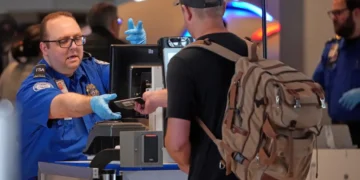





The Transportation Security Administration (TSA) has quietly updated its official guidelines for airport security regarding passengers traveling with medical marijuana, signaling a major shift in federal aviation protocols. While the update aims to clarify existing practices, the reality of navigating domestic terminals with cannabis remains highly complex. For business travelers and tourists, understanding these nuanced regulations about airport security is critical before approaching any federal checkpoint.
The TSA’s “What Can I Bring?” portal now explicitly lists medical marijuana as permitted in both carry-on and checked luggage, albeit with “special instructions.” As the New York Post highlighted, the agency has quietly started letting passengers bring weed on planes, though the underlying federal laws have not entirely changed. The administration maintains that its screening procedures are strictly designed to detect severe threats to aviation, rather than actively hunting for controlled substances.
Understanding Airport Security Rules for Medical Marijuana
Despite this seemingly relaxed federal stance, navigating airport security with cannabis still carries significant legal risks because federal statutes and state legislation frequently clash. If a TSA officer discovers a substance that appears illegal during a routine baggage screening, they are federally mandated to refer the matter directly to local law enforcement. Consequently, the final decision regarding any legal action rests entirely with the police operating at that specific airport.
This jurisdictional overlap creates severe complications depending on the departure state. For example, ClickOrlando noted that while the TSA may allow medical marijuana through its checkpoints, strict Florida laws still apply inside local terminals. If police are called to a screening area in a state with restrictive drug laws, passengers could face immediate confiscation, missed flights, or criminal charges, which could permanently jeopardize their jobs and professional reputations.
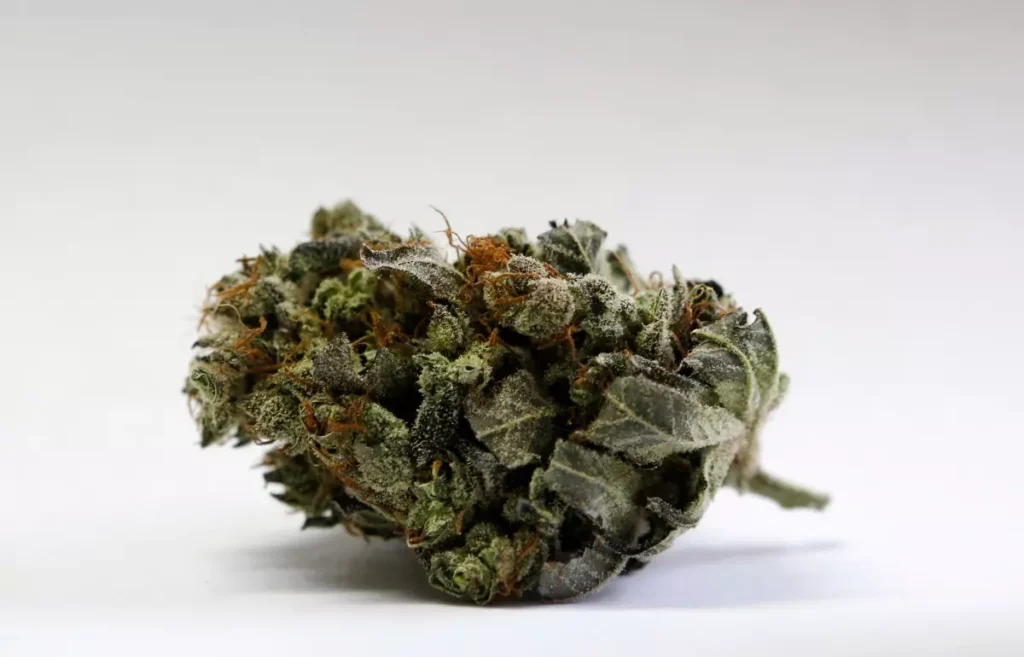
Even in states with fully legalized recreational markets, travelers must exercise extreme caution. The Los Angeles Times provided a comprehensive breakdown on what you need to know about medical marijuana on flights, heavily emphasizing that transporting cannabis across state lines technically remains a federal offense. Legal experts strongly recommend that authorized patients carry a printed Certificate of Analysis (COA) and their official medical documentation to prove compliance with state health regulations.
This ongoing friction between federal aviation mandates and state-level legalization continues to dominate domestic politics. As the legal landscape slowly evolves, modern airports are increasingly relying on advanced tech and AI scanners that are calibrated specifically for explosives and weapons, effectively leaving drug enforcement to the periphery. However, until federal legislation is comprehensively overhauled, passengers are strongly advised to consult local regulations before flying.
For continuous updates on how changing regulations affect regional travel and commercial business, visit the Afrikeye homepage. You can also join our regular AMA sessions to share your personal opinion on these evolving aviation policies.