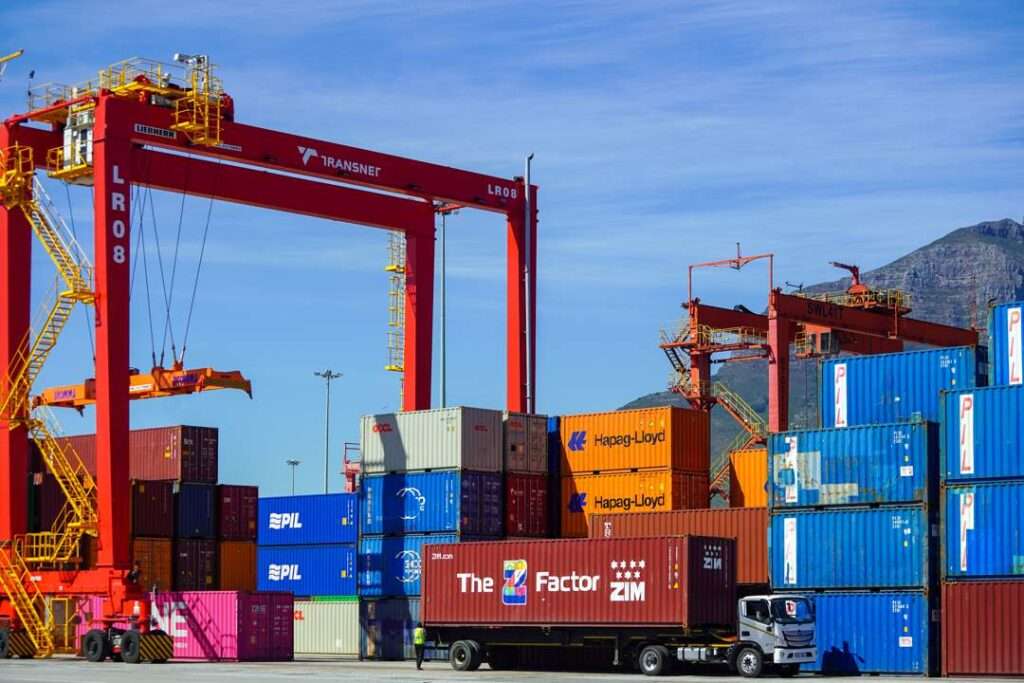
US Tariffs Threaten South African Industry and Electricity Grid Stability
Washington is preparing to impose a sweeping 12.5% tariff on South African exports over allegations of forced labour in regional supply chains, a move that could directly impact funding for domestic electricity infrastructure. The impending levy threatens to destabilise Pretoria’s industrial base at a time of severe economic vulnerability. For the broader continent, the move signals a sharp escalation in how the United States leverages trade policy to discipline African nations.
According to News24, the Biden administration announced the proposed tariffs this week, targeting multiple countries exporting manufactured goods to the US market. The Office of the United States Trade Representative claims these nations rely on deeply compromised supply chains. South African officials have categorically rejected the allegations, demanding concrete evidence of forced labour practices within their borders.
Rising Oil Prices and Electricity Costs Compound the Tariff Crisis
As reported by the Sunday Independent, the timing of the trade penalty places extraordinary pressure on the South African government. Pretoria is simultaneously grappling with volatile international oil prices that continue to drive up domestic transport and manufacturing costs. These compounding factors undermine the state’s capacity to deliver stable electricity to key export-oriented manufacturing plants.
The new tariffs will directly hit South Africa’s automotive and agricultural sectors, which rely heavily on duty-free access to American buyers. Exporters now face a sudden 12.5% cost increase that will render their products uncompetitive in Western markets. Local chambers of commerce warn that the policy shift could trigger mass retrenchments, meaning heavy industrial zones will consume less electricity as factories scale down production.
Beyond the export market, the trade dispute intersects with South Africa’s fragile energy landscape. The national grid heavily depends on stable revenue from heavy industry to fund vital maintenance and upgrades for domestic electricity generation. If manufacturing outputs drop due to the US tariffs, state utility Eskom will face severe revenue shortfalls, complicating efforts to permanently end rolling blackouts.
South African Minister of Trade, Industry and Competition Parks Tau described the proposed tariffs as arbitrary and punitive. He stated that Pretoria is preparing a formal dispute resolution request through international trade channels. A spokesperson for the US Trade Representative countered that Washington remains committed to enforcing human rights standards across all global supply chains.
The diplomatic fallout extends beyond bilateral politics. This aggressive tariff strategy reflects a growing regional trend where Western powers weaponise market access to enforce unilateral geopolitical standards. African governments are increasingly vulnerable to these sudden policy shifts, which can disrupt national development and cut off investment into industrial electricity projects overnight.
South Africa’s crisis offers a stark lesson for neighbouring states heavily reliant on the US African Growth and Opportunity Act (AGOA). Export diversification is no longer optional for the continent’s major economies if they wish to protect their infrastructure. The current trade dispute accelerates the urgency of fully implementing the AfCFTA, which aims to absorb these external economic shocks by boosting intra-African commerce.
Market analysts suggest the tariffs may push Pretoria closer to its BRICS partners for alternative export destinations. Trade volumes between South Africa, China, and India have surged in recent years, providing a crucial buffer against Western economic pressure. However, shifting heavy industry away from traditional Western buyers requires long-term planning to ensure regional electricity grids can support new supply routes.
Domestic opinion remains sharply divided on how the government should respond to Washington’s pressure. Labour unions are demanding retaliatory tariffs on American imports to protect local jobs. Conversely, corporate lobby groups are pushing for quiet diplomatic concessions to avoid a protracted trade war that could further harm the business sector.
Pretoria now has 60 days to negotiate a settlement before the 12.5% levy takes full effect. Trade diplomats are hastily arranging meetings in Washington to present supply chain audits and labour compliance records. Other African trade ministries will watch these negotiations closely, knowing their own manufacturing sectors could face similar scrutiny in the coming months.