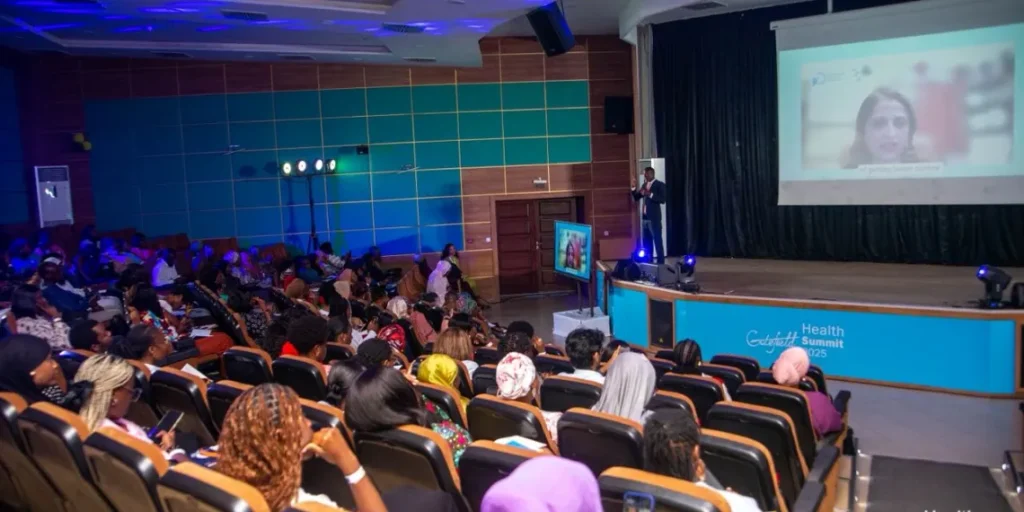
Stakeholders across Africa’s health sector are urging stronger policies for building healthcare resilience to tackle persistent healthcare challenges Africa faces, including inequities and inadequate funding. At the 2025 Gatefield Health Summit in Abuja, experts emphasized that sustainable financing, innovation, and equity-based reforms are key to overcoming healthcare disparities Africa and improving life expectancy.
Urgent Need for Health System Reform
Gatefield’s Lead Strategist, Mr. Adewunmi Emoruwa, questioned why Africans continue to die younger than expected, calling it “a real crisis of lost potential.” He noted that Nigeria’s average healthy life expectancy is just 54 years—far below Kenya’s 64 and Europe’s 81—showing deep healthcare disparities Africa must overcome.
Recurring epidemics like Lassa Fever and Yellow Fever highlight the need for building healthcare resilience through preparedness and institutional learning, Emoruwa added.
Financial Inequities in African Health Systems
Africa bears 25% of the global disease burden but receives only 3% of global health spending. Nigeria’s health budget cuts—such as a 97% slash in family planning funding—further weaken resilience. Emoruwa urged diaspora support, saying, “If just one per cent of Nigeria’s diaspora gave to systemic health interventions, it could add $200 million to the health budget.”
Chronic Diseases Demand Patient Empowerment
Dr. Niti Pall, President-elect of the International Diabetes Federation, highlighted the pandemic’s toll on diabetic patients and called for patient empowerment beyond hospital care. She emphasized that chronic disease management is essential for building healthcare resilience across the continent.
Rising Medical Inflation Deepens Inequality
Mrs. Kafayat Alawode revealed research showing that rising medical costs are widening healthcare disparities Africa, with Nigerians spending up to 85% of their income on insulin. She urged greater local drug manufacturing and transparency in procurement to stabilize medicine prices.
Maternal and Women’s Health Concerns
Dr. Aisha Mustapha from Ahmadu Bello University Teaching Hospital warned that Nigeria still records the world’s highest maternal mortality rate. “After a woman escapes maternal mortality, cervical cancer is waiting,” she said, calling for stronger women’s health advocacy through vaccination and cancer screening.
Innovation as the Path to Resilience
Dr. Omokhudu Idogho, Managing Director of the Society for Family Health, said building healthcare resilience must go beyond theory to include innovative designs that drive real impact. “Pandemics have made it clear—we must embed resilience in our systems through innovation and collective action,” he added.
The 2025 Gatefield Health Summit, themed “Resilient Health Futures,” addressed non-communicable diseases, fragile financing, and mental health challenges that continue to shape Africa’s public health landscape.
This story was first reported by the News Agency of Nigeria (NAN). Read the full article here.