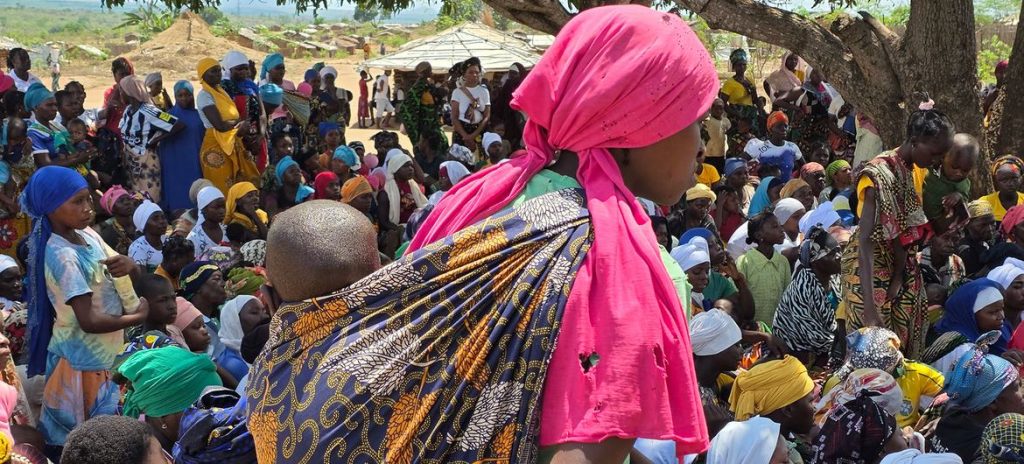
KIGALI, Mozambique – As attacks intensify in northern Mozambique, thousands of families are coping with forced migration in Mozambique, while humanitarian organizations struggle to provide adequate support and displacement solutions in Cabo Delgado. According to the UN Office for the Coordination of Humanitarian Affairs (OCHA), 107,000 people have fled their homes in recent weeks, bringing total displacement over the past four months to 330,000.
Growing Humanitarian Needs Amid Violence
Paola Emerson, OCHA Head of Office in Mozambique, explained that many families are uprooted multiple times:
“They barely had time to recover when they again had to leave, due to attacks or fear of attacks.”
UN data indicates that over 600,000 people have been displaced this year, with nearly 90% having fled at least once previously. This marks a shift from the hit-and-run tactics seen in Cabo Delgado in 2017, with the current wave proving especially destabilizing for communities already hit by three cyclones in 2025.
Cyclones Exacerbate Vulnerability
Displaced families are sheltering in overcrowded host communities, open areas, and damaged schools, where exams have been disrupted across several districts. Children account for a vast majority—67%—of those displaced. Emerson highlighted concerns over protection, noting reports of gender-based violence and children separated from their families.
Aid gaps are forcing some families to return to unsafe areas without reliable information on stability. UN officials report that only around 40% of affected individuals receive food assistance amid severe stockouts, describing current aid as insufficient.
International Crisis Response in Mozambique
UN agencies have issued repeated alerts this week. The UN refugee agency (UNHCR) documented civilians experiencing nighttime attacks, homes burned, and summary executions. Humanitarian partners warn that urgent funding is needed to prevent further deterioration, or families may face renewed displacement within weeks.
UNICEF reported that children are being pushed to the breaking point, with rising abductions and forced recruitment. Health, education, water, and protection services are struggling under the growing weight of needs, especially as cyclone season continues. These challenges underscore the importance of international crisis response in Mozambique to ensure safe shelter, essential services, and long-term displacement solutions in Cabo Delgado.
For individuals seeking safe travel or relocation solutions during humanitarian crises, visit https://travel.afrikeye.com/.
Source Attribution
This story was first reported by UN News. Read the full article here.