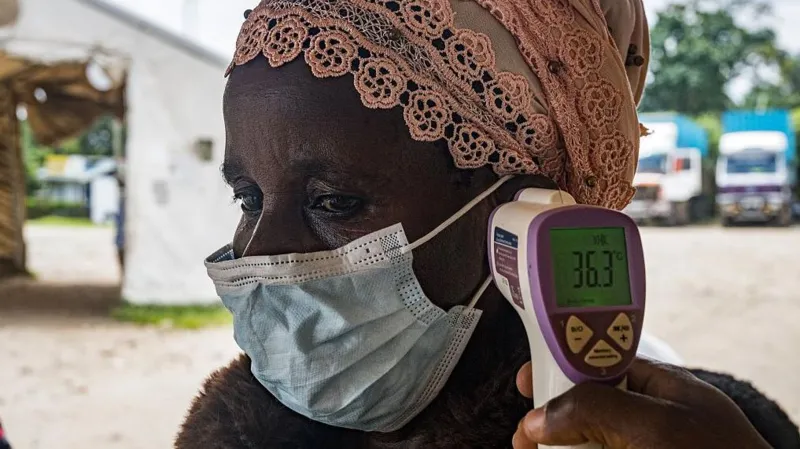
The sudden emergence of severe ebola symptoms in the Democratic Republic of the Congo (DRC) has triggered a massive regional health crisis, ultimately recognized as a global threat. The World Health Organization recently elevated the outbreak to a public health emergency of international concern, highlighting its rapid cross-border spread to Uganda. This escalation underscores the urgent need for robust pan-African surveillance networks to detect ebola symptoms before localized infections threaten continental stability.
The Core Story of Unrecognized Ebola Symptoms
According to the World Health Organization’s emergency declaration, the outbreak of the Bundibugyo virus disease has claimed dozens of lives across the DRC’s Ituri Province. Medical professionals initially struggled to diagnose the early ebola symptoms, which present as non-specific fever, fatigue, and muscle pain, thereby delaying crucial isolation protocols. As the virus spread into neighboring Uganda, authorities confirmed that infected individuals had traveled across the border, proving the extreme volatility of the current public health emergency.
Background & Context
The DRC has historically battled multiple viral hemorrhagic outbreaks, but the Bundibugyo strain presents unique challenges. Because initial ebola symptoms closely resemble malaria or severe flu, frontline workers often lack the immediate diagnostic clarity required to halt transmission. Compounding the medical crisis, the outbreak is unfolding in regions heavily impacted by prolonged conflict and humanitarian displacement. When infected individuals move rapidly through these insecure transit corridors, it places an enormous strain on the already fragile local health infrastructure.
Significance & Stakes
The failure to quickly identify ebola symptoms carries severe economic and diplomatic consequences. Following the WHO’s elevated alert, global markets reacted cautiously. Reports indicate that Asian countries are increasing border precautions and screening requirements to prevent imported cases, fundamentally altering international travel and trade dynamics. For African nations, this means heightened scrutiny at global ports of entry, potentially stalling vital business engagements and disrupting continental supply chains.
Voices & Perspectives
“We have significant uncertainty about the number of infections and how far the virus has spread,” warned Dr. Anne Ancia, the WHO representative in the DRC, noting that grassroots community cooperation is vital to stop the disease. Public health experts across the continent emphasize that educating rural populations on how to accurately identify ebola symptoms remains the most effective defense mechanism. Furthermore, international health analysts reporting on the outbreak point out that the absence of a specific approved vaccine for the Bundibugyo strain makes rapid symptom recognition the only viable containment strategy at present.
The Pan-African Angle
This crisis directly impacts the operational goals of the African Continental Free Trade Area (AfCFTA) and the African Union. The cross-border movement of ebola symptoms from the DRC into Uganda demonstrates that infectious diseases do not respect geopolitical boundaries. Similar to past outbreaks, this event forces neighboring countries to weigh the economic cost of border closures against the imperative of public safety. Building localized diagnostic hubs and ensuring that the Afrikeye community remains informed are critical steps toward African medical sovereignty and resilient regional integration.
What Happens Next
Continental health authorities are racing to establish safe treatment centers and deploy mobile laboratories to the hardest-hit zones. Governments must balance stringent infection control measures with the need to maintain essential civilian movement. If early ebola symptoms continue to go unnoticed in high-density transit hubs, the outbreak could trigger broader travel bans, severely impacting those relying on Afrikeye Travel networks for commerce.
Conclusion
The rapid recognition of ebola symptoms is no longer just a medical necessity; it is a critical pillar of regional security. African states must invest heavily in grassroots diagnostic capabilities rather than relying solely on international intervention. By fortifying local health systems, the continent can manage viral threats proactively, ensuring that sudden outbreaks do not derail decades of economic and social progress.
Recommendation: For more updates on resilience and health within the community, read our latest coverage on the Rachel Kolisi hospital recovery update.