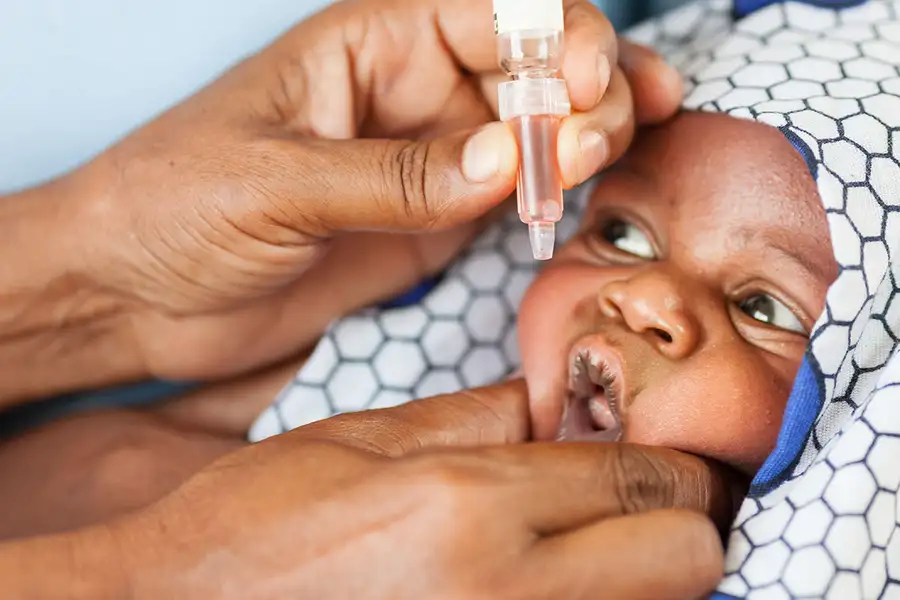
Polio, once a global scourge, is now confined to just a few corners of the world—but the final push toward eradication is the hardest. Thanks to sustained polio vaccination programs, wild poliovirus cases have dropped over 99.9 %, and two strains (types 2 and 3) are declared extinct. Today, only wild poliovirus type 1 remains entrenched in Afghanistan and Pakistan.
Still, the virus can reemerge in places where immunity gaps exist. Polio outbreak prevention has become a top priority, as weakened oral vaccine strains can occasionally mutate and trigger variant outbreaks—especially in under‑vaccinated communities.
The Last Mile: Challenges & Tools
Back in 1988, polio paralyzed over 350,000 children annually across 125 countries. Today, thanks to coordinated campaigns, surveillance networks, and vaccine innovations, the world is nearing a historic victory.
One breakthrough is nOPV2, a new oral vaccine engineered to reduce the risk of mutation and variant outbreaks. Nearly two billion doses have already been distributed globally. Upgraded regional labs in Africa analyze wastewater and sequence viruses faster, cutting detection times by 30 % and giving health workers a head start.
These innovations make each dollar in polio vaccination programs more powerful than ever. Yet funding is falling short—there is a $1.7 billion gap, threatening to scale back campaigns and surveillance efforts.
Learning from Malaria: Prevention Strategies That Work
While the world focuses on polio, Bill Gates also highlights malaria prevention strategies—a disease that still kills hundreds of thousands annually in tropical regions. The key tactics echo those used in polio efforts: robust surveillance, targeted interventions, and system-wide infrastructure support.
In the U.S., malaria was virtually eliminated by draining swamps, eliminating mosquito breeding grounds, indoor insecticide spraying, and distributing antimalarial drugs.These integrated methods show how holistic, persistent public health campaigns can succeed.
Today’s malaria-fighting toolkit includes insecticide-treated bed nets, indoor residual spraying, sugar baits to attract mosquitoes with lethal doses, gene-drive technologies under development, artemisinin-based combination therapies, and seasonal chemoprevention. The first malaria vaccine is also in use, with more candidates under review.
Why the Final Stretch Is Tough
Poliovirus can exploit even brief lapses in immunization. In 2022, the U.S. registered its first paralytic polio case in nearly a decade, and sewage sampling confirmed variant polioviruses in New York. Similar detections occurred in the UK, Ukraine, and Indonesia.
These events underscore that polio outbreak prevention is not optional—any slip globally can spark resurgence. Public health systems must remain vigilant until the virus is extinguished everywhere.
In regions still struggling with wild polio, conflict, insecurity, and health system gaps complicate access and campaign effectiveness. The mutated vaccine-derived strain risk is especially high when immunization coverage is low.
The Way Forward
To finish the job, the global community must double down on:
- Expanding polio vaccination programs into hard-to-reach areas
- Maintaining surveillance systems that detect outbreaks early
- Closing funding shortfalls to prevent campaign cuts
- Supporting vaccine innovation like nOPV2
- Applying lessons from malaria prevention strategies to vulnerable regions
At this pivotal moment, success means freeing future generations from crippling paralysis and reallocating billions toward other health priorities. Failure risks a resurgence—potentially 200,000 cases per year within a decade.
We’ve built the tools. We have the infrastructure. We have the will. Now we must stay the course until no child is ever again threatened by polio—or malaria. For aid and travel health support in affected regions, check our for safe options and updates.
Planning a trip to catch the finals or explore cricket-loving countries? Don’t miss our travel booking platform for the best deals on flights, hotels, and experiences.
This story was first reported by GatesNotes / Bill Gates. Read the full article here.