
Malaria remains one of Africa’s deadliest challenges, accounting for 94% of global cases and 95% of deaths, with 246 million infections and 569,000 fatalities recorded in 2023 alone, according to the WHO 2024 report. Children under five are the most affected, particularly in countries like Nigeria and the DRC.
In this context, SORA Technology is harnessing drones, satellites, and AI to change the fight against malaria, offering a revolutionary approach to technology for public health.
AI and Drone Innovation for Malaria Control
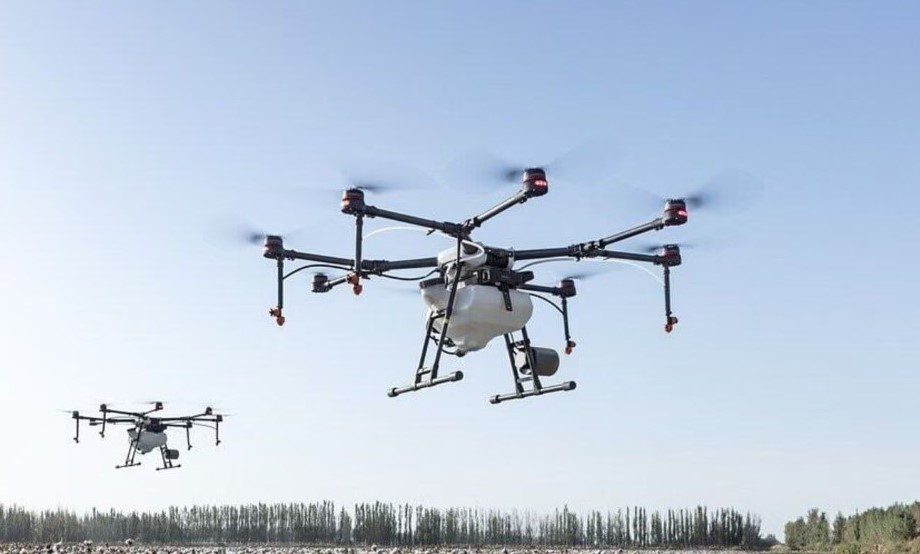
Mary Yeboah Asantewaa, African Business Lead at SORA Technology, explains that Africa can overcome malaria by rethinking conventional methods. Instead of widespread spraying campaigns, SORA deploys AI-driven malaria control using drones to map mosquito breeding grounds.
The system identifies stagnant water bodies and predicts where mosquito larvae are present. “Out of 100 water bodies, it can tell you 70 have larvae and 30 don’t,” Asantewaa says. This allows teams to target interventions precisely rather than spraying indiscriminately.

Precision in Action
Once AI processes the data, high-risk areas appear as red pins in a mobile app, guiding field teams efficiently. Workers apply WHO-endorsed biolarvicides (Bti) to eliminate larvae safely, and drones reach otherwise inaccessible locations.
Independent studies in Ghana by the Noguchi Memorial Institute and the University of Ghana showed that SORA’s approach reduces mapping time by 62–90%, cuts labor costs by 70%, and lowers total operational costs by 27%. This efficiency can expand malaria control to more regions without increasing budgets.
SORA’s Broader Impact on Public Health
SORA is also applying its technology to wider public health issues. In Kenya, AI and satellite analytics helped predict cholera outbreaks, enabling vaccination prioritization. This early-warning system allows governments to act proactively, reducing costs and improving response.
Beyond health, SORA supports agriculture with soil nutrient analysis, crop-health monitoring, waterlogging detection, and land-levelling insights via drones and AI. These interventions have been implemented on cocoa and rice farms in Ghana and will expand to Nigeria and Benin.


Africa’s Readiness for Tech-Driven Solutions
SORA’s approach emphasizes evidence-based interventions and long-term government partnerships. “We want to support Africa within the resources we have. We just need the right collaborators,” Asantewaa explains.
By focusing on precision and leveraging technology for public health, SORA is redefining malaria control and demonstrating the continent’s readiness for AI-enabled solutions.
Learn more about Africa travel opportunities here.
“This story was first reported by Africanews. Read the full article here.