Sub-Saharan Africa has lost nearly a quarter of its biodiversity compared with pre-industrial levels, highlighting urgent needs for wildlife conservation efforts and animal species preservation.

Biodiversity Decline Across the Continent
A study led by African researchers at Stellenbosch University, published in Nature, found that “sub-Saharan Africa has already lost 24 percent of its biodiversity since pre-industrial times.” Lead author Hayley Clements from the Center for Sustainability Transitions emphasized that global assessments often underestimate African biodiversity loss due to limited local data. By engaging with experts who directly manage African ecosystems, the study provides a clearer picture of species decline and resilience.
Insights from African Experts
The five-year study incorporated knowledge from 200 experts, including researchers, rangers, tour guides, and museum curators. Using this input, the team developed a continent-wide Biodiversity Intactness Index, tracking the percentage of original species abundance remaining in different regions.
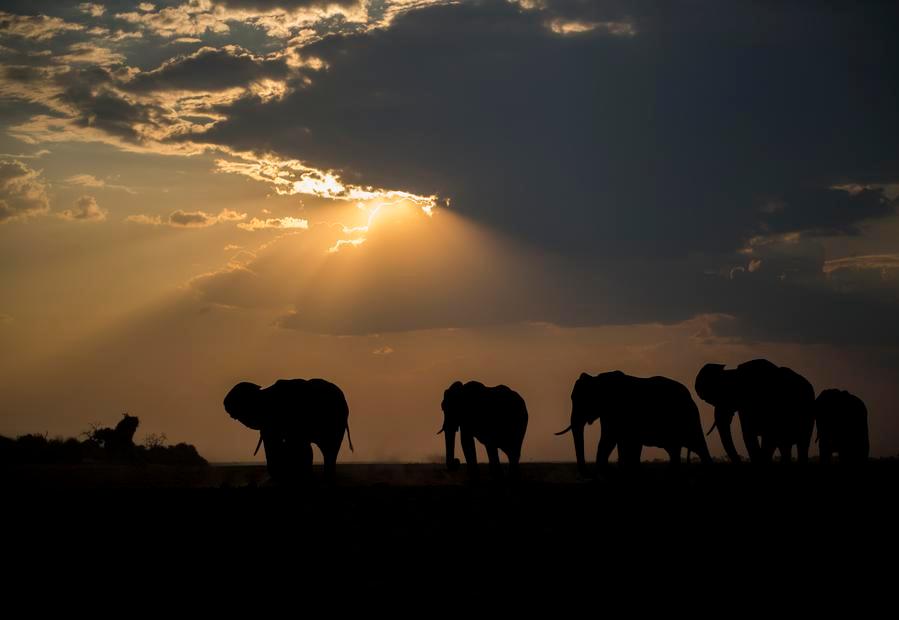
While disturbance-tolerant plants have declined by about 10 percent, large mammals such as elephants, lions, and certain antelope species have seen losses exceeding 75 percent. Drivers of this decline include cropland expansion, unsustainable harvesting, and intensive grazing.
Regional Biodiversity Patterns
Central African countries maintain higher biodiversity levels due to humid forest preservation, whereas West Africa faces some of the lowest intactness levels because of severe forest and savanna degradation. Remarkably, over 80 percent of remaining wild species now exist in working landscapes rather than strictly protected areas.
The Role of Sustainable Wildlife Management
Clements highlighted that protected areas alone are insufficient to halt biodiversity loss. Effective sustainable wildlife management of shared working lands is crucial for maintaining species populations while supporting local livelihoods. These measures, combined with continued wildlife conservation efforts, can ensure the long-term preservation of Africa’s unique fauna.
For travel-related updates and wildlife tours, visit Afrikeye Travel.
This story was first reported by Xinhua. Read the full article here.