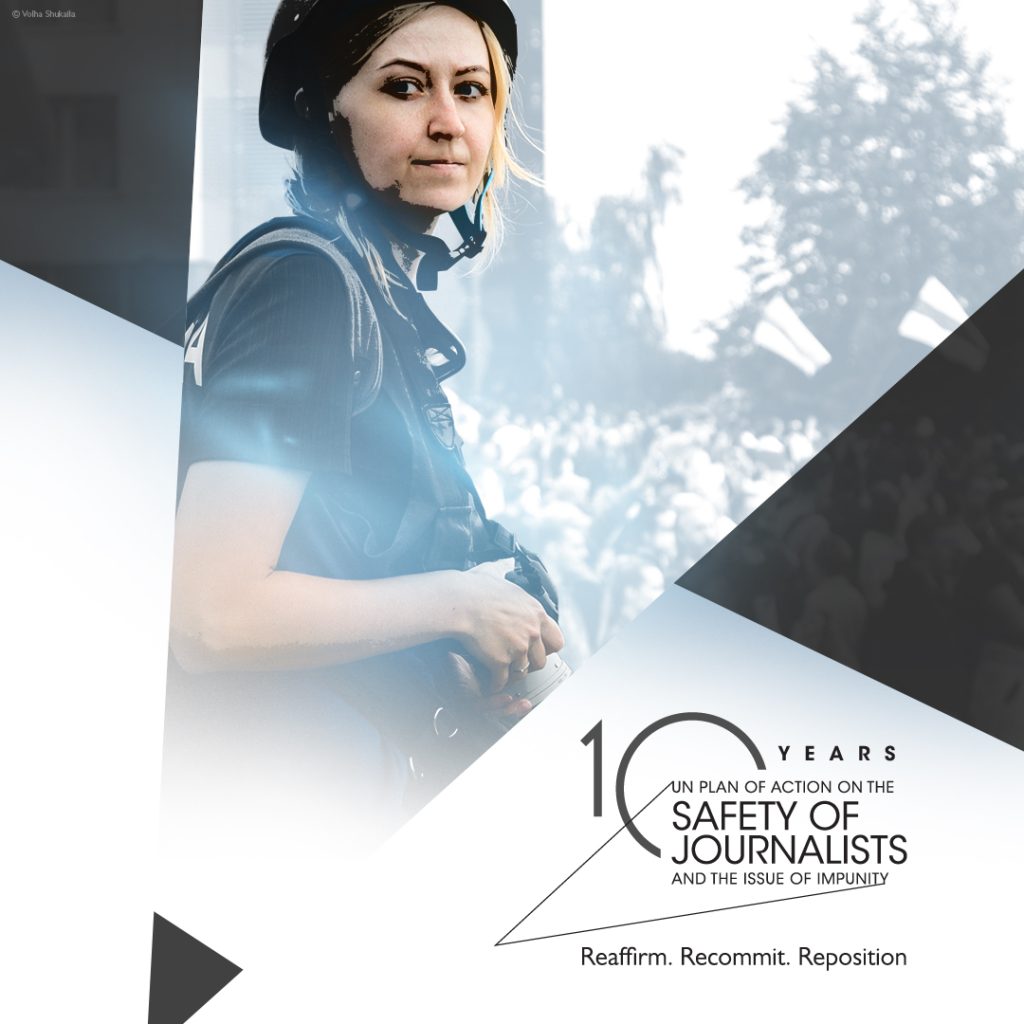
The African Commission on Human and Peoples’ Rights (ACHPR) has joined the international community in commemorating the International Day to End Impunity for Crimes Against Journalists on November 2. The event shines a spotlight on the growing concern of female journalists harassment cases and the alarming trend of attacks on media professionals across the continent.
Upholding Press Freedom and Safety
Journalists play a crucial role in promoting democracy, ensuring transparency, and upholding freedom of expression. Silencing them threatens the public’s right to information and undermines democratic systems. ACHPR emphasized that attacks on journalists, particularly women, violate Article 9 of the African Charter on Human and Peoples’ Rights and the Maputo Protocol, which protect the rights to information, dignity, and safety.
Female Journalists Facing Increasing Harassment
According to the International Center for Journalists, 73% of female journalists worldwide report experiencing online abuse, with 25% receiving threats of physical harm and 18% facing sexual threats. Across Africa, this trend is deeply concerning, as digital violence and violence against female journalists Africa cases continue to rise both online and offline.
Women in the media are being targeted through cyber-harassment, stalking, and hate speech, contributing to a chilling effect that silences vital voices in African journalism. ACHPR noted that silencing women journalists is not just a gender issue—it’s an attack on democracy itself.
Tackling Crimes Against Journalists Through Policy and Protection
The ACHPR’s Resolution 522 (2022) on the Protection of Women Against Digital Violence in Africa urges governments to update legislation to combat technology-facilitated gender-based violence. It also calls for expanding the definition of gender-based violence to include online forms such as cyberstalking, digital hate speech, and harassment.
The Commission reiterated that States must take proactive measures to ensure the safety of female journalists harassment cases, both online and offline. Principle 20(6) of the Declaration on Freedom of Expression and Access to Information in Africa requires governments to protect journalists from gender-based violence, intimidation, and harassment.
Addressing Impunity and Strengthening Accountability
ACHPR condemned the growing impunity for crimes committed against journalists. Despite numerous crimes against journalists statistics showing high attack rates, many cases remain uninvestigated. This failure emboldens perpetrators and discourages victims from seeking justice.
The Commission called on African States to publicly denounce all attacks on journalists, ensure thorough investigations, and expedite prosecutions. It also urged tech companies to take stronger actions against online abuse and enhance risk assessments for targeted journalists.
Civil society and journalist associations were encouraged to mobilize for justice, advocate for stronger protection mechanisms, and raise awareness of these threats. Society as a whole, ACHPR noted, must recognize that protecting journalists directly contributes to reliable information flow and a functioning democracy.
Promoting Safer Work Environments for Women in Media
The Commission further called for gender-responsive laws and public advocacy campaigns to combat violence against female journalists Africa. Female media workers should be protected from threats such as sexual assault, digital blackmail, and defamation. Providing psychological and legal support to victims remains a key part of this response.
ACHPR’s stance reinforces the message that ending impunity for crimes against journalists is essential for ensuring press freedom and democratic progress in Africa.
For readers interested in exploring media freedom and cultural experiences across the continent, visit our travel platform to learn more about destinations where press freedom and human rights initiatives are making a difference.
This story was first reported by the African Commission on Human and Peoples’ Rights (ACHPR). Read the full article here.