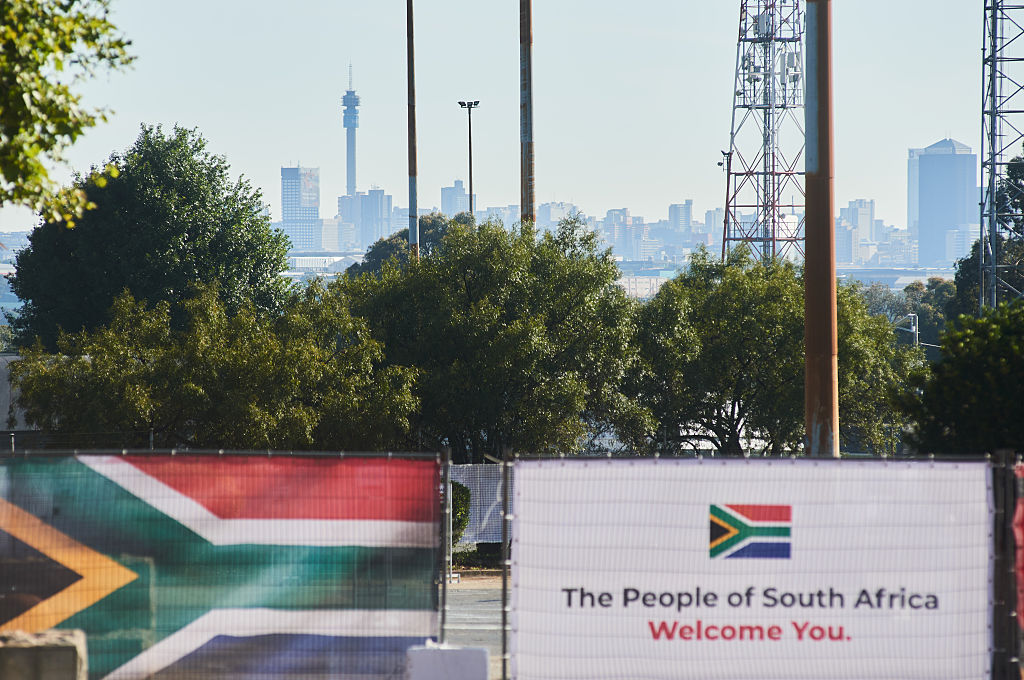
South Africa and China are moving into a new phase of africa-china trade expansion, using the G20 Summit as a platform to deepen cooperation, unlock industrial investment and strengthen South Africa’s global trade position. Leaders from both countries reaffirmed their commitment to support a stable multilateral trading system and boost manufacturing growth.
China Pledges Stronger Support for South Africa’s Trade Agenda
During a courtesy meeting in Johannesburg, Deputy President Paul Mashatile and Chinese Premier Li Qiang explored new areas of investment, signaling major trade benefits South Africa could gain through enhanced cooperation. According to the Presidency, Mashatile emphasized South Africa’s push for value-added exports and greater participation in Chinese and global value chains, especially in manufacturing, renewable energy and digital sectors.
He also acknowledged Beijing’s financial contributions:
- RMB2 million (R4.86 million) to the Department of International Relations and Cooperation (DIRCO)
- An additional $2 million (R34.46 million) toward South Africa’s G20 Presidency
These investments are expected to support inclusive growth and job creation for young people.
Zero-Tariff Agreement Benefits Signal Major Market Opportunity
Ahead of the G20 Summit, Premier Li met President Cyril Ramaphosa and affirmed China’s readiness to implement a zero-tariff agreement benefits policy for South African products. Beijing recently announced that all 53 African countries with diplomatic ties to China will receive zero-tariff treatment across 100% of tariff lines.
Analysts say this shift will significantly boost trade benefits South Africa, helping the country turn minerals into manufacturing, increase value-added exports, and access high-quality global markets.
Dr. Sthembiso Bhengu of the Chris Hani Institute told FORBES AFRICA that South Africa is now well-positioned to work with Chinese auto manufacturers. The country already has an advantage in auto infrastructure, technical skills and financial systems—making local production of Chinese vehicles a realistic opportunity.
Agriculture Sector Looks to China for New Growth
South African commercial farmers, particularly those affected by US tariff concerns, view China as a critical expansion market. Citrus Growers’ Association CEO Dr. Boitshoko Ntshabele said the industry aims to grow globally and add new markets to ensure wider access for South African citrus.
The Citrus Growers’ Association estimates that expanded exports could generate over 100,000 jobs by 2032. China, with its high-consumption market, is among the most promising destinations.
Agricultural economist Wandile Sihlobo echoed this optimism. He said that lowering tariffs and clearing phytosanitary barriers would unlock major export opportunities, noting that China imports more than $200 billion in agricultural products annually. Gaining tariff-free access would be a substantial win for South African producers.
A New Era in Africa–China Economic Partnership
The strengthening of Africa-China trade structures—especially through africa-china trade expansion and zero-tariff agreement benefits—is poised to reshape South Africa’s export landscape. As both nations commit to long-term collaboration, analysts expect rising investment in energy, manufacturing, digital sectors and agriculture.
For more Africa-focused insights and travel content, visit: https://travel.afrikeye.com/
This story was first reported by Forbes Africa. Read the full article here.