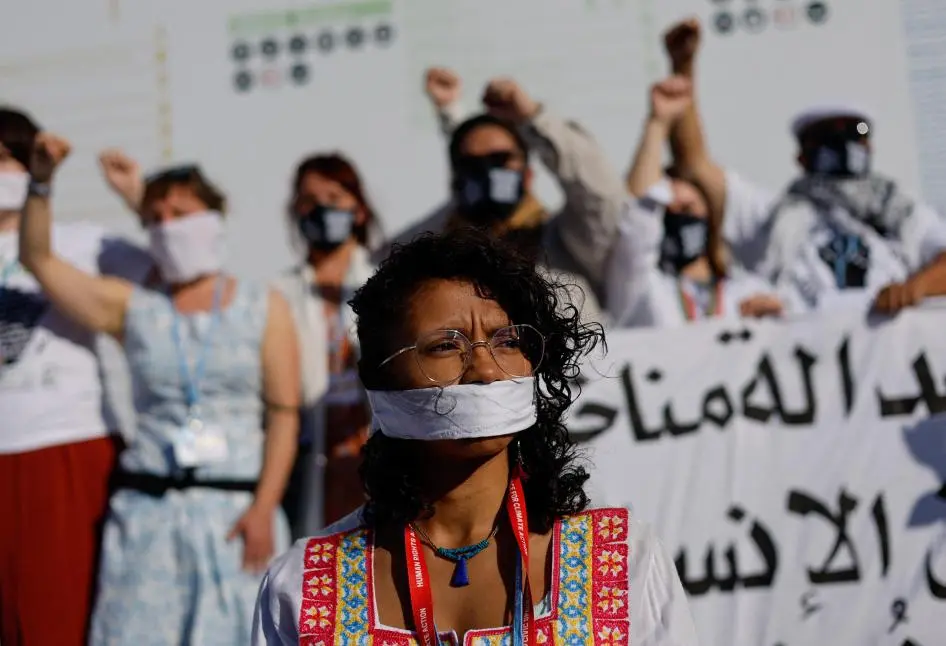
Egyptian authorities are being urged to amend the associations liberties regulations to remove excessive restrictions on independent civil society organizations (CSOs), which are currently undermining the rights to join organizations restrictions and threatening the country’s civic space, Amnesty International highlighted in a new briefing.
Tight Controls Limit NGO Operations
Although the closure of Case 173 in 2024 ended a 13-year criminal investigation into NGO funding, Egypt’s associations law (No. 149 of 2019) continues to give authorities sweeping powers over NGOs. The law allows state interference in registration, funding access, board composition, and operational activities, effectively forcing NGOs under near-total control of the government.
“Any restrictions on NGOs must be narrowly defined, necessary, proportionate, and never used to silence critics. Egyptian authorities must amend the law to allow NGOs to register by notification instead of prior authorization and protect them from undue interference,” said Sara Hashash, Deputy Regional Director for the Middle East and North Africa at Amnesty International.
Challenges for Non-Governmental Organizations
Independent NGOs in Egypt face severe non-governmental organization challenges, including intrusive surveillance, harassment by the National Security Agency (NSA), and delays in registration or bank account approvals. Even with prior approvals, foreign funding is strictly controlled, and staff risk penalties for non-compliance.
Interviews with representatives from 12 NGOs in Greater Cairo revealed that organizations often have to register under alternative legal forms or comply with burdensome regulations to avoid penalties. Some NGOs even face restrictions on hosting events without NSA clearance, violating international human rights standards.
Impacts on Civic Space
The 2019 associations law also grants authorities powers to reject registration if NGO purposes conflict with Egyptian laws, dissolve NGOs, and confine their work to “societal development,” excluding political or human rights activities. Such measures severely limit the rights to join organizations restrictions and create a chilling effect, forcing many activists into exile and restricting civic engagement.
While lifting travel bans and asset freezes for some NGO workers was a positive step, Amnesty International stresses that systemic reform is required to remove structural barriers. NGOs must have guaranteed access to domestic and foreign funding and the ability to operate without constant state interference.
A Path Forward
Amending the restrictive associations law is essential to protect independent civil society in Egypt, ensure non-governmental organization challenges are addressed, and secure rights to join organizations restrictions for citizens. Empowering NGOs to operate freely will strengthen social development, human rights advocacy, and civic engagement across the country.
For communities and stakeholders seeking support for civic initiatives, this reform would also facilitate smoother access to resources and collaborations. For more information on related initiatives, visit Travel Afrikeye.
This story was first reported by Amnesty International. Read the full article here.