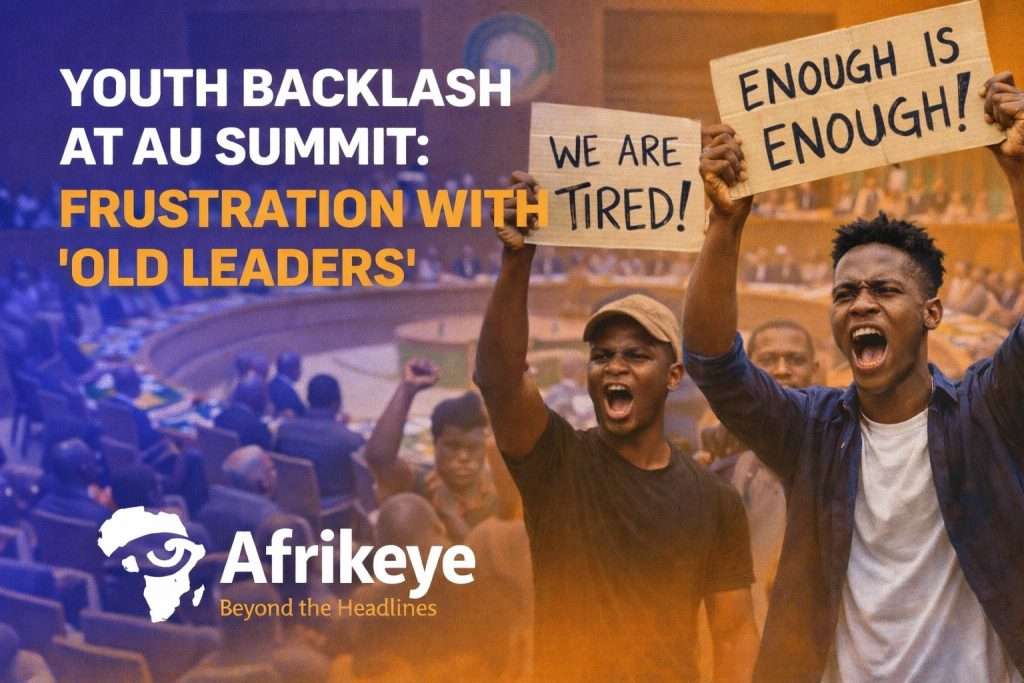
The 39th AU Summit: Beyond the Walls of Addis Ababa
As the 39th Ordinary Session of the Assembly of the African Union convenes in Addis Ababa, the atmosphere is heavy with more than just diplomatic protocol. While heads of state deliberate within the fortified halls of the AU headquarters, a powerful movement of youth-led accountability is vibrating across the continent’s digital landscape.
This isn’t just another routine gathering; it is a pivotal moment in our Africa news update 2026 coverage. Young Africans are no longer content with being passive observers of their own future. They are active participants, questioning the gap between high-level summits and the lived realities of 1.4 billion people.
A Generational Shift in Political Expectations
Africa holds the title of the world’s youngest continent, yet its political corridors often tell a different story. In many nations, the demographic reality—where the majority are under the age of 30—clashes with a leadership tier that has held power for decades. This disconnect is the primary driver of the current push for youth-led accountability.
The frustration expressed on social media and in local communities isn’t merely about the age of the leaders. It is about the effectiveness of governance. Today’s youth are asking difficult questions regarding the slow pace of continental integration and the recurring cycle of political instability. They want to know why economic statistics rarely translate into dignified jobs or affordable living.
Security vs. Stability: The Youth Perspective
The official agenda in Addis Ababa remains focused on “silencing the guns.” While resolving conflicts in regions like Sudan is undeniably critical, the youth definition of security is much broader. For a young entrepreneur trying to navigate the African business landscape, insecurity isn’t just about armed conflict—it’s about economic volatility.
True stability requires more than a ceasefire; it requires a healthy economic environment where the cost of living doesn’t skyrocket overnight. When young people see the price of basic goods rising while official communiqués speak of “robust growth,” the demand for youth-led accountability becomes even more urgent. They are looking for a tech-driven future that offers a path out of poverty.
Social Media: The New Town Square for African Politics
Gone are the days when the African Union could operate in a vacuum of diplomatic silence. Every speech and policy draft released in Ethiopia is now instantly scrutinized. This level of transparency is driven by a generation that is digitally native and globally connected.
- Real-time Fact-Checking: Young Africans are using AI-powered tools to verify claims made by officials during live broadcasts.
- Direct Engagement: Timelines are flooded with critiques and alternative policy suggestions.
- Global Solidarity: Movements in one corner of Africa now instantly inspire similar calls for reform across borders.
This digital scrutiny is a clear sign of engagement, not disrespect. It shows that the youth are invested in the success of the African Union and refuse to remain silent while their future is debated.
Moving Beyond Symbolic Representation
For years, “youth inclusion” has often been relegated to symbolic panels or honorary roles with no real decision-making power. The current wave of youth-led accountability is calling for an end to this performative politics. Authentic representation means having a seat at the table where budgets are signed and laws are drafted.
The demand is simple: clear timelines for the restoration of constitutional order in suspended states and practical enforcement of democratic standards. Whether it is in the world of professional sports or high-level politics, the youth want a fair playing field based on merit and transparency.
The AU’s Litmus Test: Delivery and Consistency
The African Union often refers to itself as the “guardian of continental norms.” However, the effectiveness of any guardian is measured by their actions. If the AU condemns unconstitutional changes of government but fails to impose meaningful consequences, its credibility wanes.
To rebuild trust, the AU must demonstrate that its flagship projects—like the African Continental Free Trade Area (AfCFTA)—can actually empower a small-scale trader or a startup founder. Consistency in policy and urgency in execution are the only ways to satisfy the growing call for youth-led accountability.
A Demand for Relevance in 2026
As we look toward the conclusion of this summit, the final communiqué will be measured against the expectations of the streets. This Africa news update 2026 highlights a generation that refuses to accept “someday” as an answer. They want relevance today.
The legitimacy of modern African institutions is no longer a given; it must be earned through transparent governance and tangible results. Youth-led accountability is not a passing trend; it is the new standard of African political life. The future of the continent does not just belong to its youth—it is being actively shaped by them right now.