Catherine, Princess of Wales, has permanently closed the door on reconciling with Prince Harry following his recent commentary on King Charles’s cancer diagnosis. For African Commonwealth nations, this final rupture within the House of Windsor signals a permanent shift in British diplomatic strategy across the continent. The monarchy is now deeply divided, forcing African states to navigate two separate spheres of royal influence.
Royal author Robert Jobson states the relationship completely collapsed following the Duke of Sussex’s television interviews earlier this year. According to Fox News, Prince Harry’s decision to publicly discuss his father’s health was viewed as an unforgivable breach of trust. The Princess is currently prioritizing her own health and recovery from cancer.
Prince William has aligned entirely with his wife, establishing a firm boundary against his brother. The royal family has operated in a state of high tension since the Sussexes relocated to North America. Prince Harry managed only a brief visit to London when the King’s illness was first announced.

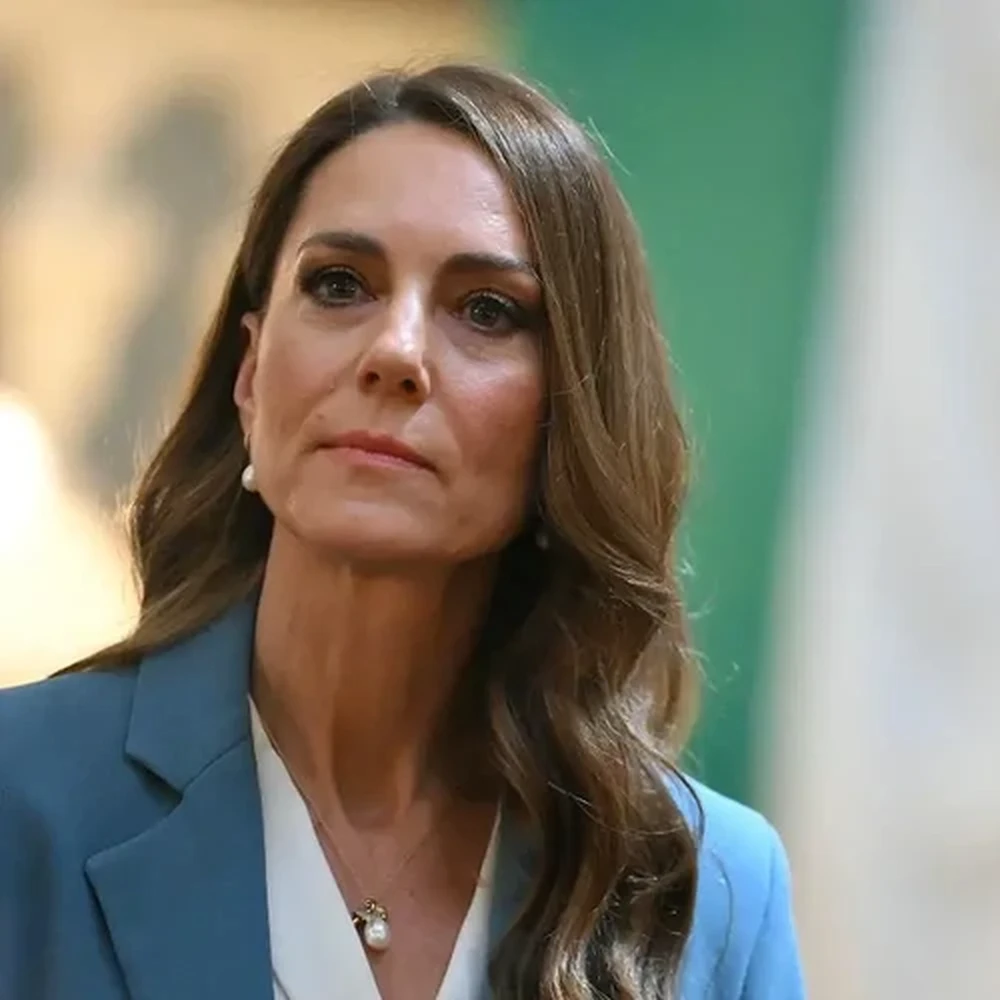
Reports from SheKnows note that Catherine, Princess of Wales, historically served as the primary mediator between the siblings. That diplomatic bridge is now entirely dismantled. This domestic dispute carries immediate consequences for British politics and soft power diplomacy globally.
The Final Breaking Point for Catherine, Princess of Wales
The Final Breaking Point for Catherine, Princess of Wales
The Duke of Sussex retains significant philanthropic influence in South Africa, Lesotho, and Botswana. His recent unofficial tour of Nigeria proved he can still command state-level attention without the crown’s backing. African governments must now balance official relations with Buckingham Palace against the independent business and charitable ventures of the Sussexes.
British commentators suggest the core royal family is consolidating its ranks to project stability. However, as noted by MSN, the ongoing friction continuously overshadows official royal duties. African observers often view this institutional fragility as a reflection of a fading empire struggling to modernize.
The narrative surrounding the monarchy is increasingly shaped by global media, tech platforms, and AI-driven social algorithms rather than palace press offices. The Sussexes continue to expand their independent footprint through initiatives like the Invictus Games, connecting deeply with global sports communities. Meanwhile, the working royals are drastically reducing their international travel due to ongoing medical treatments.
This vacuum allows Prince Harry to position himself as a more accessible figure to young Africans seeking modern partnerships. Public opinion across the continent remains divided on whether the traditional monarchy still serves African interests. Questions remain about how the Sussexes will sustain their operations, including funding for their foundation jobs and international tours.
Afrikeye continues to monitor how these changing dynamics impact Commonwealth trade and cultural exchange. African citizens frequently use open forums and AMA sessions to debate the relevance of the British crown in a multipolar world. Buckingham Palace must now decide how to counter the Sussexes’ freelance diplomacy without triggering further public conflict.
Future royal visits to the continent will be heavily scrutinized for their tone and relevance. African leaders will watch closely to see if the institution can offer genuine economic and diplomatic value beyond historical pageantry.