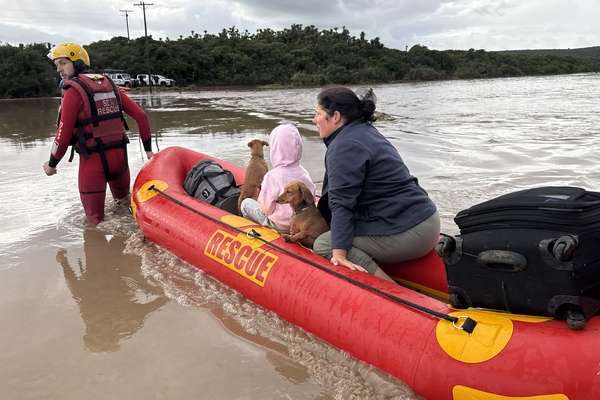
Eastern Cape Floods: Evacuations and Mass Rescues Underway
The recent Eastern Cape floods have triggered a state of emergency as unprecedented torrential rains overwhelm the region’s water infrastructure. Thousands of residents face mandatory evacuations as critical reservoirs surpass their maximum capacities, threatening downstream communities. For international observers and diaspora relying on a trusted African news platform, understanding the scale of this natural disaster is vital. This guide details the current situation, including emergency rescue operations, infrastructure damage, and essential safety advisories for those navigating the affected territories.
What caused the Eastern Cape floods?
The Eastern Cape floods were primarily triggered by severe, localized weather systems dumping record-breaking rainfall across the province in a matter of days. This intense precipitation rapidly filled catchments and overwhelmed major water storage facilities. The sudden, massive volume of water spilling into river valleys forced immediate mass evacuations and necessitated widespread, multi-agency emergency rescue operations.
The Overflow of Kouga Dam
The most critical focal point of the current crisis centers around the region’s major water reservoirs. Following days of relentless downpours, the infrastructure reached its absolute limit.
Mandatory Valley Evacuations
Authorities issued urgent warnings as the overflowing Kouga Dam leads to evacuations along the flooded river valley. The sheer volume of water cascading over the dam wall has caused downstream river systems to burst their banks.
Local municipalities and disaster management teams have been working around the clock to move residents from low-lying areas. Temporary shelters have been established on higher ground to accommodate displaced families. Officials continue to monitor the structural integrity of the dam and surrounding spillways to predict further surges.
Agricultural and Economic Impact
The Kouga region is highly dependent on agriculture, particularly citrus farming. The surging floodwaters have inundated thousands of hectares of fertile farmland, threatening the upcoming harvest.
Farmers are struggling to secure their livestock and farming equipment. The economic fallout from the crop damage will likely be felt not just locally, but across export markets that rely on South African produce, highlighting the broader implications of these severe weather events.
Emergency Response and Rescue Operations
As the waters rose rapidly, local emergency services were quickly overwhelmed, requiring specialized intervention from national rescue organizations to prevent a large-scale tragedy.
NSRI Deploys Nationwide Teams
The National Sea Rescue Institute (NSRI) has been at the forefront of the crisis management effort. Recognizing the severity of the situation, they initiated an Eastern Cape mass rescue during flooding operation.
Rescue teams equipped with specialized swift-water gear and inflatable vessels have been deployed into deeply flooded residential zones. They are actively extracting citizens trapped on rooftops and navigating treacherous, debris-filled currents. Their rapid deployment has been crucial in minimizing the loss of life during the peak of the flash floods.
Coordination of Relief Efforts
Beyond swift-water rescues, a coordinated logistical effort is underway to deliver essential supplies. Helicopters are being utilized to drop food, clean drinking water, and medical aid to communities that have been completely cut off by destroyed roads and collapsed bridges.
Impact on Regional Travel and Infrastructure
The floods have severely disrupted transportation networks, making movement across the province incredibly dangerous and, in many cases, impossible.
Road Closures and Safety Advisories
Major national highways and secondary provincial roads have sustained heavy damage. Sinkholes, mudslides, and washed-away bridges have severed key supply routes. For those utilizing comprehensive African travel guides to plan regional movements, immediate itinerary adjustments are strictly advised.
Travelers are urged to avoid the Eastern Cape entirely until disaster management officials declare the roads safe. Attempting to cross flooded bridges or navigate waterlogged dirt roads poses a severe threat to life, as vehicles can be easily swept away by fast-moving currents.
Comparison: Normal Conditions vs. Flood Crisis
| Feature | Typical Eastern Cape Conditions | Current Flood Crisis |
| Kouga Dam Levels | Managed capacity; stable outflow for agriculture. | Exceeding 100%; uncontrolled, hazardous overflow. |
| Emergency Status | Routine municipal oversight. | Declared provincial state of emergency. |
| Transportation | Clear highways and accessible rural roads. | Widespread road closures and collapsed bridges. |
| Community Impact | Normal agricultural and daily activities. | Mass evacuations, displacement, and property loss. |
| Rescue Operations | Standard localized emergency response. | High-risk, multi-agency swift-water mass rescues. |
Frequently Asked Questions
Are the Eastern Cape floods affecting tourist destinations?
Yes, several popular tourist routes and coastal access roads have been heavily impacted. Visitors are strongly advised to cancel or postpone trips to the affected areas, as emergency services are prioritizing the rescue of local residents and infrastructure remains highly unstable.
What should residents do if living near the Kouga River?
Residents in low-lying areas near the Kouga River and its tributaries must heed all evacuation orders immediately. Do not wait for water to enter your home. Relocate to designated high-ground shelters and take only essential documents, medication, and basic supplies.
How are emergency services responding to the disaster?
Multiple agencies, including the NSRI, local fire departments, and the South African Police Service, are conducting joint operations. They are utilizing helicopters and specialized watercraft to perform mass rescues, while simultaneously trying to restore basic communication lines to isolated communities.
Will the government provide financial relief to flood victims?
Provincial and national authorities are currently assessing the total financial cost of the disaster. Once the immediate rescue phase concludes, disaster relief funds are expected to be mobilized to assist displaced families and begin the lengthy process of rebuilding critical infrastructure.
Conclusion
The Eastern Cape floods represent a significant environmental and humanitarian challenge, heavily impacting local infrastructure, agriculture, and community safety. As the Kouga Dam overflows and the NSRI continues its brave mass rescue operations, the immediate priority remains the preservation of human life. Strict adherence to evacuation protocols and travel advisories is essential during this volatile period. As the floodwaters eventually recede, the region will face a long and arduous recovery process, requiring sustained support and comprehensive rebuilding efforts.