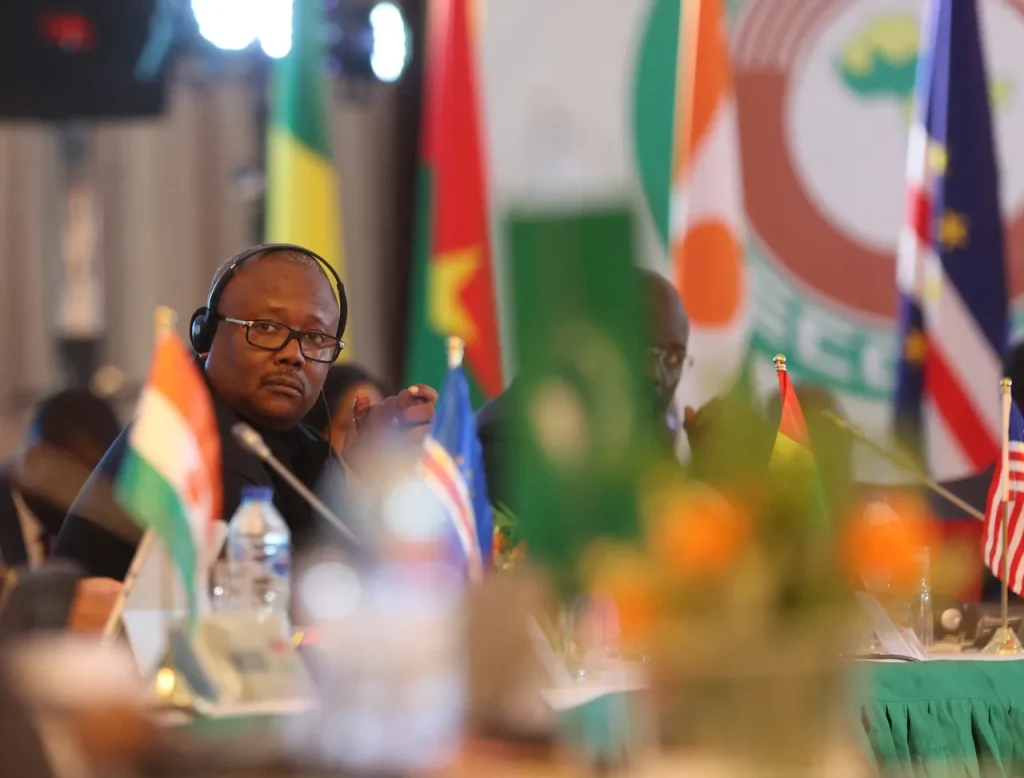
Guinea-Bissau has become the latest flashpoint in the ongoing impact of coups on West Africa, adding pressure on regional leaders to respond effectively. Once celebrated as a robust regional bloc, the Economic Community of West African States (ECOWAS) now faces a critical test after failing to reverse coups in Mali, Niger, and Burkina Faso.
ECOWAS has tools to suspend members, impose sanctions, and even deploy troops to safeguard democracy. Yet its track record shows limited deterrence: at least seven coups and attempted takeovers have occurred across West Africa since 2020, reflecting the persistence of coup trends in West Africa.
Guinea-Bissau Coup Escalates Regional Concerns
On November 27, soldiers seized power and suspended the Guinea-Bissau election, an act critics argue was intended to prevent incumbent Umaro Sissoco Embaló from losing to independent candidate Fernando Dias. Former Nigerian President Goodluck Jonathan, leading an electoral-observer mission, remarked, “A military doesn’t take over and the ousted president is allowed to address press conferences announcing that he has been arrested.”
The junta justified the coup as a move to block a plot by drug traffickers. Guinea-Bissau has long been a key transit point for cocaine from Latin America to Europe, and trafficking has historically fueled political instability. Regional leaders must now ensure that elections resume and results are recognized, following the precedent set in Gambia in 2017 when ECOWAS pressured Yahya Jammeh to cede power.
The Broader West Africa Political Crisis
Recent coups have emboldened army leaders, some with external support, while influential members of ECOWAS, such as Ivory Coast and Togo, have implemented constitutional changes to maintain incumbents. Without a credible standby force or meaningful consequences for abuses of power, ECOWAS risks remaining a paper tiger, unable to halt the rise of military takeovers.
Nigerian Defense Minister Mohammed Badaru Abubakar recently resigned as President Bola Tinubu prepares a strategy to address security threats, including the mass kidnapping of schoolchildren. These challenges underscore the wider West Africa political crisis that threatens stability across the region.
Economic and Regional Implications
Political instability is also affecting investments. For example, TotalEnergies withdrew financing for its LNG facility in Mozambique due to militant attacks, and Barrick Mining resolved a two-year dispute with Mali’s military that had shuttered key gold operations. Similarly, South African smelters owned by Glencore and Samancor Chrome face job cuts amid high electricity costs from state-owned Eskom.
Meanwhile, Buraq Air in Libya is expanding its fleet to meet growing international travel demand, highlighting how regional instability contrasts with emerging economic opportunities in Africa.
The rise of coups in West Africa signals urgent need for both political and economic reforms to ensure stability. The bloc must strengthen mechanisms to respond effectively, or risk further erosion of democracy across the region.
Explore more about West Africa’s evolving political landscape and travel opportunities at Travel Afrikeye.
This story was first reported by Bloomberg. Read the full article here.