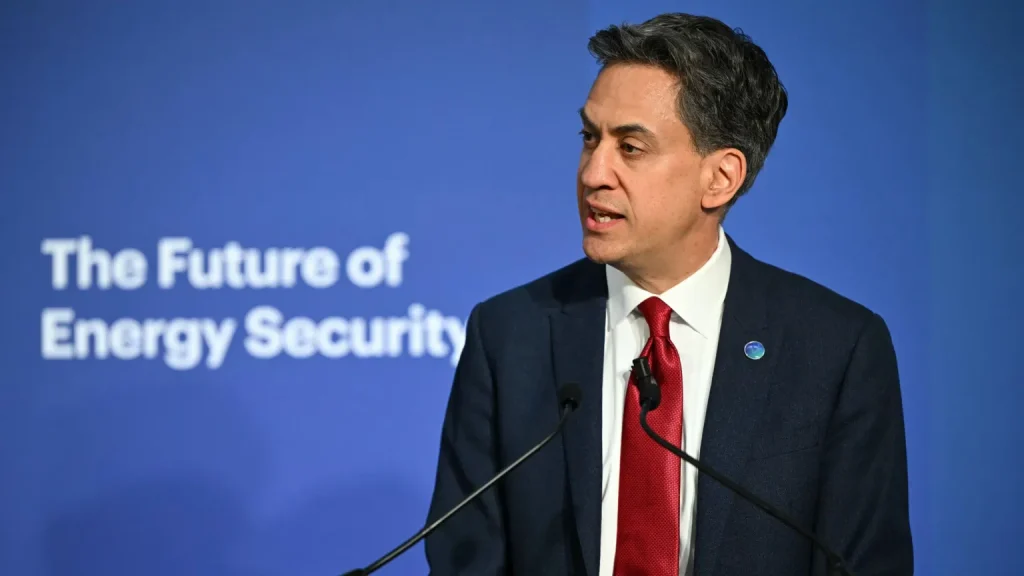
Energy Secretary Ed Miliband’s promise to reduce household bills by £300 through clean power is under scrutiny as rising electricity prices threaten to offset projected savings. The pledge, based on a 2023 Ember report, has reignited debate about the UK’s green energy initiatives, renewable costs, and long-term governmental energy strategies.
Expert Concerns Over Energy Savings
Economist Pawel Czyzak, author of the Ember report, told the BBC that the analysis needs updating to reflect increased offshore wind and grid costs. He warned that higher electricity prices could “wipe out” expected savings if the cost of renewable projects continues to climb. Despite this, Miliband’s department insists the government remains committed to cutting energy bills and strengthening environmental sustainability efforts.
Competing Visions for Clean Power
The Tony Blair Institute recently urged the government to refocus on affordability, proposing to reframe the “Clean Power 2030” strategy as “Cheaper Power 2030.” It suggested dropping gas carbon taxes to ease household costs. In contrast, the government maintains that its clean energy plan—producing 95% of Great Britain’s power from renewable sources by 2030—will lower bills and reduce dependence on fossil fuels.
Governmental Energy Strategies Under Pressure
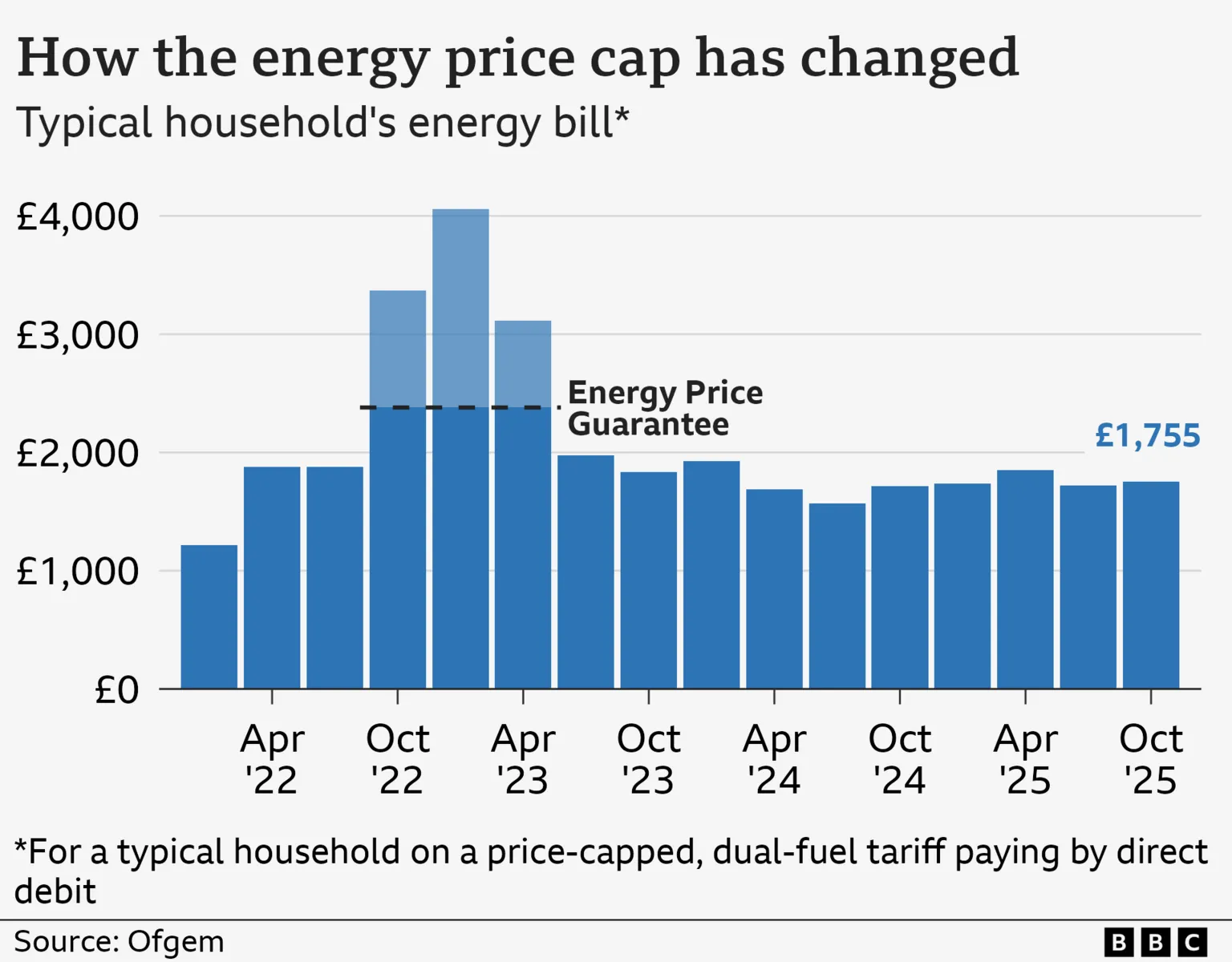
While the Department for Energy Security and Net Zero argues that renewables remain cheaper than gas plants, critics cite volatile market conditions. Czyzak acknowledged that the £300 savings estimate depends heavily on future price trends, grid investments, and offshore wind affordability. “If wholesale prices don’t go down, it’s going to be hard to generate savings,” he noted, highlighting the uncertainty surrounding these governmental energy strategies.
Environmental Sustainability Efforts Continue
The UK government insists it is “relentlessly focused” on making Britain a clean energy superpower through green energy initiatives and nuclear expansion. Officials emphasize that clean, homegrown power will stabilize prices and reduce exposure to international gas markets. More than £50 billion in private investment has already been pledged toward renewable infrastructure, a cornerstone of the country’s environmental sustainability efforts.

Political Debate Over Energy Policy
The issue has become a political flashpoint. Conservatives and Reform UK blame net-zero targets for higher prices, while Labour defends its renewable goals as vital for long-term economic and environmental health. The Tony Blair Institute’s call for a policy rethink has added pressure, though the government maintains that its clean energy mission aligns with both growth and affordability.
For travelers eager to explore the UK’s renewable innovation hubs and sustainable projects, visit travel.afrikeye.com to plan your eco-friendly journey.
This story was first reported by BBC News. Read the full article here.