A violent south africa immigration backlash has displaced thousands of African migrants and prompted emergency repatriations by regional governments. The unrest, driven by vigilante groups demanding the mass exodus of undocumented foreigners by the end of June, threatens to fracture diplomatic and economic ties across the continent. This crisis exposes deep systemic failures in regional migration management and highlights the vulnerability of cross-border integration.
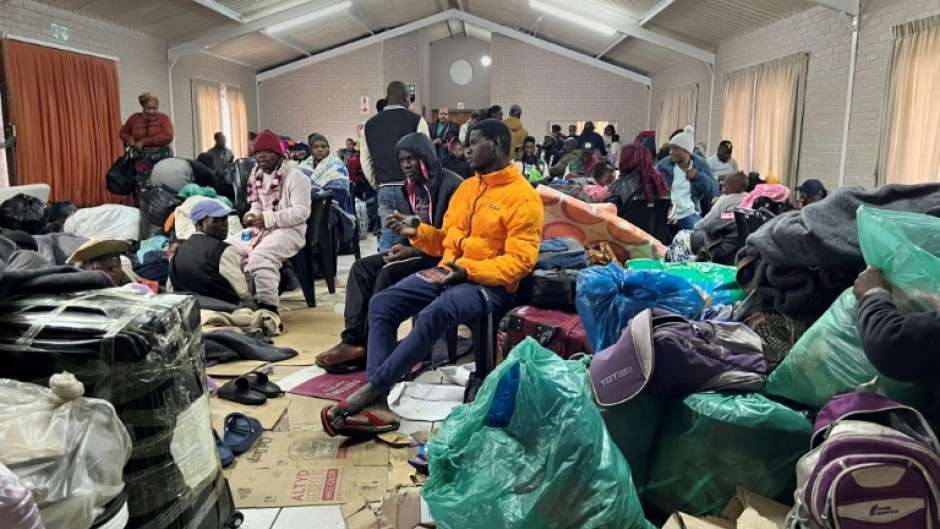
Recent violence in Mossel Bay, a coastal town in the Western Cape, resulted in the deaths of two Mozambican nationals and one South African teenager. Vigilante mobs torched over 50 homes in local informal settlements, driving hundreds of residents from Malawi, Zimbabwe, and Mozambique to seek refuge in police-guarded community halls. Similar incidents of door-to-door intimidation have been reported across Gauteng and KwaZulu-Natal, where groups operating under banners like the “March and March” movement are aggressively forcing foreign-owned enterprises to close. According to eNCA, the attacks have spread intense fear even among South African citizens of minority ethnic groups who face violent profiling by local mobs.
The current unrest represents the culmination of months of low-level protests fueled by severe economic stagnation, high crime rates, and collapsing municipal services across urban townships. Ahead of local government elections scheduled for November, opportunistic political and social factions have increasingly scapegoated foreign nationals for the country’s profound structural failures. The situation escalated dramatically when self-appointed citizen patrols issued an arbitrary June 30 deadline for all undocumented African migrants to voluntarily leave the country or face physical removal.
Economic Fallout of the South Africa Immigration Backlash
The economic and human costs of this crisis are mounting rapidly, severely disrupting both local enterprise and broader regional commerce channels. Small-scale business operations within townships are collapsing as foreign shop owners flee, cutting off essential goods for low-income residents and eroding the preservation of formal jobs. Hostile environments deter regional travel, limit access to essential health facilities, and have even forced the suspension of grassroots sports initiatives that typically foster community cohesion. Furthermore, the systematic destruction of immigrant-owned supply chains creates a dangerous vacuum that organized crime syndicates often rush to fill.
Addressing the nation this week, President Cyril Ramaphosa condemned vigilante actions but simultaneously announced a stringent state crackdown on undocumented migration and businesses employing illegal labor. Social activists argue that the government’s shifting rhetoric only emboldens the mobs, with a report by Eyewitness News quoting civil society leaders who state the ongoing campaign is driven entirely by targeted Afrophobia. Nomathamsanqa Masiko-Mpaka of Human Rights Watch criticized the state’s slow response, noting that authorities must hold vigilante groups fully accountable instead of allowing them to violently target foreign nationals with impunity.
This escalating crisis directly impacts several African nations, forcing governments in Ghana, Nigeria, and Mozambique to coordinate emergency repatriation flights for their fleeing citizens. The violence directly contradicts the core principles of the African Continental Free Trade Area (AfCFTA) and the African Union’s Agenda 2063, both of which rely heavily on the free movement of labor to build sustainable continental wealth. As highlighted by a Daily Maverick opinion piece, the desperate flight of fellow Africans damages the host nation’s historical standing as a champion of cross-border human rights.
This recurring cycle of violence offers a stark lesson for other African governments: ignoring systemic poverty and failing to enforce robust migration policies will inevitably ignite violent domestic politics that destabilize the entire region. The diplomatic fallout from these expulsions threatens to provoke retaliatory trade measures against South African corporations operating in neighboring jurisdictions.

As the vigilante-imposed June 30 deadline approaches, state security forces must urgently demonstrate their capacity to protect vulnerable communities and prevent organized mass expulsions. Regional observers and opinion leaders will closely monitor whether the government’s newly announced National Action Plan on migration relies merely on punitive deportations or implements comprehensive institutional reforms. The integration of modern tech solutions and AI border management could eventually streamline legal migration pathways, but securing immediate physical safety remains the paramount challenge. Civil society groups and local leaders must urgently organize AMA sessions and community dialogues to de-escalate tensions before the looming elections trigger further catastrophic violence.