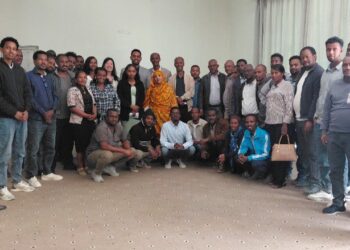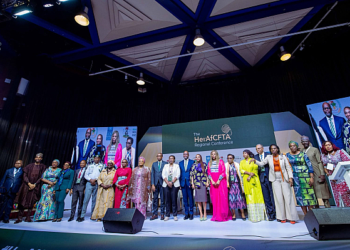





The Economic Community of West African States (ECOWAS) Commission has officially concluded its landmark regional capacity-building workshop in Lomé, Togo. Closing on June 26, 2026, the high-level collaborative summit served as the flagship anchor for the wider Regional Fortnight on Small-Scale Cross-Border Trade. The defining breakthrough of the convention was the formal validation of the ECOWAS Gender and Trade Strategy (spanning the 2026–2030 cycle), a data-driven legislative roadmap engineered to dismantle predatory trade barriers and accelerate inclusive industrial development across the twelve member countries.
The collaborative policy summit addresses long-standing operational vulnerabilities that have historically suppressed sub-regional commercial output. Despite driving a massive percentage of intra-African commerce, female merchants continue to face severe institutional bottlenecks, including arbitrary checkpoint fees, unmapped border shakedowns, credit isolation, and a total lack of structural legal protection. Validating the ECOWAS Gender and Trade Strategy establishes an uncompromised, legally binding policy framework to replace empty political promises with concrete, enforceable border governance.
Modernizing Border Infrastructure to Guarantee Safe Commercial Corridors
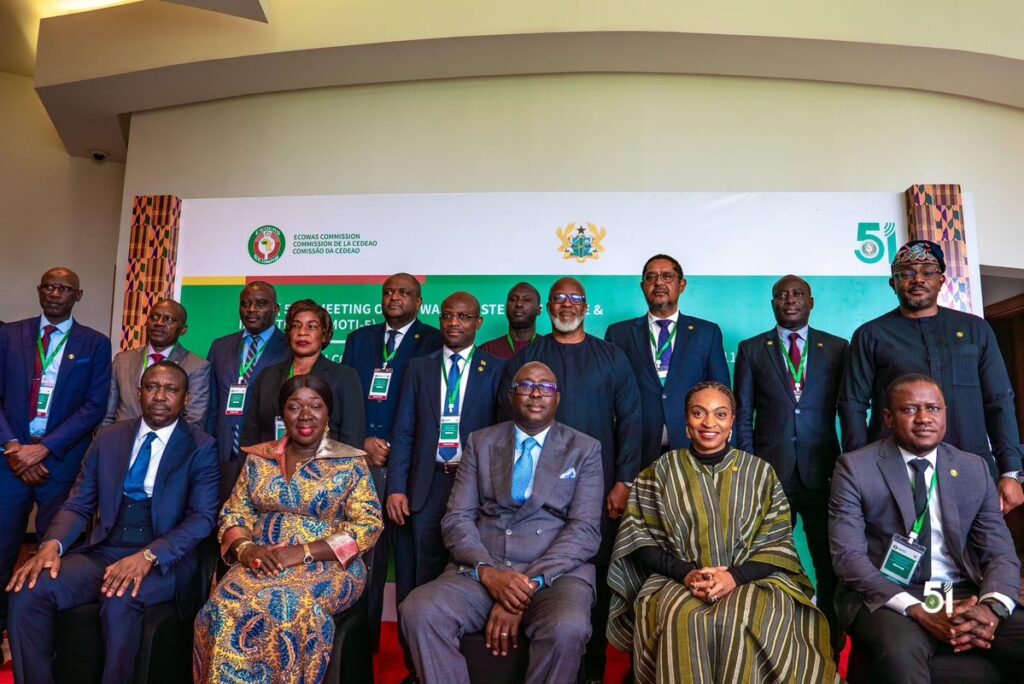
A primary structural transformation mandated by the new policy framework is the aggressive overhaul of frontline border security networks and trade points. Acting Secretary-General Mr. Mua’zu Umaru emphasized that the commission is fully committed to deploying physical, visible changes directly at border posts rather than leaving the text as a passive administrative document. The strategy prioritizes the systematic reduction of redundant transit checkpoints and introduces standardized, transparent custom clearing protocols to insulate vulnerable merchants from financial exploitation.
| Targeted Policy Objective | Specific Tactical Execution Framework | Measured Economic Outcome |
|---|---|---|
| Border Governance Reform | Enforce unified customs clearance; strip out unmapped trade blocks | Lowers transit times; eliminates informal extortion vectors |
| Financial Inclusion Pipelines | Deploy tailored small-scale credit lines and banking packages | Expands working capital; funds merchant storage logistics |
| AfCFTA Integration Channels | Map local merchant associations into continental free-trade loops | Grants rural entrepreneurs direct access to wider state markets |
| Institutional Accountability | Set up independent monitoring and evaluation border teams | Guarantees transparent tracking of border agent compliance |
The systemic rollout of these physical border adjustments is heavily modifying the regional business landscape by stabilizing micro-merchant profit margins. Historically, unexpected transit fees and arbitrary cargo seizures frequently depleted the capital reserves of small-scale supply networks. By anchoring trading costs to a predictable, legal schedule, the state enables localized merchant collectives to scale up their transport volumes safely, encouraging formal cross-border entrepreneurship and opening up reliable investment channels across West African agricultural markets.
Harnessing Grassroots Collectives via the ECOWAS Gender and Trade Strategy
To guarantee that information regarding regional trade instruments trickles down to isolated rural communities, the multi-agency task force is positioning independent merchant associations as their primary execution channels. Financed through joint contributions from international development partners—including the German government via GIZ and the International Trade Centre (ITC)—these local bodies provide immediate legal defense and financial education. This structural backing elevates independent female-led enterprises, shifting the local politics of resource distribution from top-down state control into a community-centered framework.
The rapid implementation of these technical training initiatives is creating thousands of essential jobs and monitoring roles for specialized logistics compliance coordinators, legal advisors, and trade clerks across the region. Officials noted that the next phase of the ECOWAS Gender and Trade Strategy will focus on resource mobilization and the quick activation of priority field actions. Ensuring that rural trading networks retain their independence strengthens overall community resilience, helping transition low-income families from basic survival into highly productive independent market participants.
To streamline resource tracking and monitor border incident reporting in real time, regional agencies are deploying advanced communication registries within the country’s growing tech sector. These secure platforms allow field analysts to log border compliance violations, trace trade flows, and distribute legal updates directly to mobile devices. This digital transparency eliminates administrative processing bottlenecks, aligning with the electronic data modernization frameworks managed by the Africa CDC emergency registry to handle cross-border structural tracking tasks.
Independent development economists sharing their professional opinion columns emphasize that continental integration under the African Continental Free Trade Area (AfCFTA) remains a fantasy if the primary drivers of cross-border trade are left vulnerable to institutional abuse. They argue that long-term stabilization requires modernizing border security lines while aggressively safeguarding basic public health and occupational safety standards at transit hubs. Incorporating advanced predictive data modules and specialized ai resource mapping ensures that infrastructure investments can target choked transport links efficiently, building a highly competitive, inclusive trading ecosystem.