
• Latest
  • Trending
  • All
Women's Economic Recovery in Ethiopia

Ethiopia Strengthens Women’s Economic Recovery Through Livelihood and Childcare Initiatives

June 30, 2026
Addis Ababa skyline at sunset, with modern high-rise buildings against a vibrant evening sky.

Ethiopia’s Stock Exchange, Nearly Two Years On: How It Works and Who Can Invest

November 16, 2026
Voters queue at an indoor polling station on election day.

How African Presidents Are Actually Elected: The Rules That Decide the Winner

November 16, 2026
Women footballers compete for the ball during a match on a sunny day.

WAFCON 2026 Changed African Women’s Football. The Money Proves It

November 16, 2026
Vendors selling fresh produce and packaged goods under umbrellas at a busy outdoor market in Zaria, Nigeria.

AfCFTA Explained: What Africa’s Free Trade Area Means for Small Businesses

November 16, 2026
A packed football stadium under floodlights during a night match, with fans in red filling the stands.

AFCON 2025: Who Really Won? Senegal, Morocco and the Title CAS Must Decide

November 16, 2026
A worker pushes a loaded wheelbarrow on a potholed road in front of the National Heroes Stadium in Lusaka, Zambia.

Zambia’s 2026 Election: Hichilema’s Bigger Win, a Disputed Count, and What Comes Next

November 16, 2026
Nairobi's skyline at dusk, with lit high-rise buildings and city lights under a deep blue sky.

Kenya Election 2027: Date, Candidates and Key Deadlines

November 14, 2026
A packed football stadium in Morocco during a match, with crowds in red and advertising boards reading Maroc 3-0 Espagne.

Morocco 2030 World Cup: Stadiums, Cities, Dates, Final

November 14, 2026
A boat crossing the Lagos lagoon in front of the Civic Centre Towers and waterfront buildings.

Nigeria Tax Act 2025 Explained: Rates for Workers and Small Business

November 14, 2026
A man sits on a small truck loaded with green plantains at a street market in Accra, Ghana, with market stalls and a taxi sign in the foreground

Ghana’s $10 Billion New Economy, Explained: What the 2027 Budget Actually Commits

November 13, 2026
A hand holding US dollar bills and a black smartphone outdoors

Sending Money to Africa Costs More Than Anywhere Else. Here’s Why — and What Cuts the Price

November 13, 2026
A young cricketer in sportswear and gloves holding a cricket bat on a green field

Zimbabwe at the 2027 Cricket World Cup: Co-Hosts’ Long Road Back

November 13, 2026
Afrikeye
  • Afrikeye | Africa News Today
  • Business & Investment
    • Jobs
    • Microfinance
  • Politics
    • African Elections
    • Zambian Elections
  • Opinion
  • Technology
    • AI
  • Sports
    • FIFA World Cup
  • Health
  • Travel
No Result
View All Result
  • Login
  • Register
  • Afrikeye | Africa News Today
  • Business & Investment
    • Jobs
    • Microfinance
  • Politics
    • African Elections
    • Zambian Elections
  • Opinion
  • Technology
    • AI
  • Sports
    • FIFA World Cup
  • Health
  • Travel
No Result
View All Result
Afrikeye
No Result
View All Result
Women's Economic Recovery in Ethiopia

Ethiopia Strengthens Women’s Economic Recovery Through Livelihood and Childcare Initiatives

Afrikeye by Afrikeye
30/06/2026
in Business
Reading Time: 4 mins read
246 8
0
494
SHARES
1.4k
VIEWS

New efforts to strengthen women’s economic recovery in Ethiopia are placing greater emphasis on practical livelihood opportunities, access to productive assets, and childcare services as the country continues supporting communities affected by conflict.

Backed by the World Bank through the Response-Recovery-Resilience for Conflict-Affected Communities in Ethiopia (3R4CACE) project, the initiative seeks to help women rebuild sustainable livelihoods while addressing the everyday challenges that often prevent them from participating fully in economic activities.

Unpaid Care Work Remains a Major Challenge

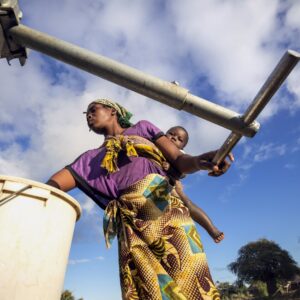
For many women living in conflict-affected areas, the day begins long before sunrise with unpaid household responsibilities such as collecting water, gathering firewood, preparing meals, caring for children, and supporting elderly family members. These responsibilities significantly reduce the time available for income-generating work.

Project teams studying economic recovery initially focused on identifying profitable sectors and growing markets. However, discussions with women across several Ethiopian regions revealed that the biggest obstacle was often not opportunity—but time.

Many women expressed a preference for home-based businesses that could be managed alongside family responsibilities and within communities where mobility and security remain major concerns.
Conflict Has Deepened Economic Hardship

Communities across Afar, Amhara, Benishangul-Gumuz, Oromia, and Tigray continue to face the long-term consequences of conflict, including displacement, disrupted markets, loss of productive assets, and increased cases of gender-based violence.

Despite these challenges, women continue searching for ways to rebuild their livelihoods. The project therefore expanded its analysis beyond profitability to include safety, climate resilience, access to essential resources, sustainability, and local market demand.

The findings showed that successful livelihood programmes must be tailored to local conditions rather than relying on a single model for every region.

Agriculture and Small Businesses Offer New Opportunities

Research identified several sectors with strong potential for supporting women’s economic recovery. Livestock production, agriculture, food preparation, and small-scale processing consistently emerged as viable opportunities, although the most suitable options differed from one region to another.

The project concluded that livelihood programmes are most effective when they reflect the realities women experience in their own communities.

Limited Asset Ownership Continues to Restrict Growth

The initiative also highlighted significant inequalities in ownership of productive assets.

Survey findings showed that many women possess few business tools or agricultural resources. Equipment such as sewing machines, food-processing tools, weaving equipment, livestock, bicycles, and farming machinery is frequently owned or controlled by men.

Limited ownership of assets reduces women’s ability to obtain financing, expand businesses, or recover financially after conflict. The project therefore incorporates productive equipment into its economic support packages to help women establish sustainable sources of income.

Childcare Recognized as an Economic Investment

One of the programme’s most significant components is the expansion of community childcare services.

Supported through funding from the Early Learning Partnership, the project is establishing 80 childcare centres across Ethiopia while training approximately 1,500 women as childcare providers. Many of those receiving training are survivors of gender-based violence.

The initiative is expected to generate multiple benefits by allowing more women to participate in vocational training and employment, creating new professional opportunities within childcare services, and strengthening cooperation between displaced families and host communities.

In many areas outside Addis Ababa, organized childcare services remain extremely limited, making this investment an important part of long-term economic recovery.

Regional Livelihood Plans Reflect Local Priorities

Earlier this year, Ethiopia’s Ministry of Women and Social Affairs brought together regional experts to identify practical livelihood opportunities suited to different parts of the country.

Recommendations varied according to local economic conditions. Agriculture, livestock production, beekeeping, food processing, tailoring, dairy production, spice preparation, cooking, and childcare services were identified among the most promising sectors for women across different regions.

Officials noted that successful economic recovery programmes must address social norms, trauma, limited mobility, and time constraints alongside traditional employment support.

Building Long-Term Economic Resilience

Development partners say women’s economic empowerment extends beyond increasing household income. Strengthening access to employment, productive assets, finance, and essential support services can also improve resilience, reduce vulnerability, and expand opportunities for women rebuilding their lives after conflict.

As Ethiopia continues implementing recovery programmes in conflict-affected communities, initiatives that combine livelihood support with childcare and skills development are expected to play an increasingly important role in promoting inclusive and sustainable economic growth.

Follow Arikeye For More.

Source: World Bank Group, distributed by African Media Agency (AMA).

facebookShare on Facebook
FollowFollow us
Previous Post

HerAfCFTA Regional Conference 2026 Advances Women’s Economic Leadership Under AfCFTA

Next Post

ECOWAS Gender and Trade Strategy: Vital Rights Secured for Traders

Afrikeye

Afrikeye

RelatedPosts

Addis Ababa skyline at sunset, with modern high-rise buildings against a vibrant evening sky.

Ethiopia’s Stock Exchange, Nearly Two Years On: How It Works and Who Can Invest

November 16, 2026
0

Ethiopia went without a stock exchange for half a century. Since January 2025 it has one — with four listed...

Vendors selling fresh produce and packaged goods under umbrellas at a busy outdoor market in Zaria, Nigeria.

AfCFTA Explained: What Africa’s Free Trade Area Means for Small Businesses

November 16, 2026
0

AfCFTA is the world's largest free trade area by country count — but five years after trading began, preferential trade...

A boat crossing the Lagos lagoon in front of the Civic Centre Towers and waterfront buildings.

Nigeria Tax Act 2025 Explained: Rates for Workers and Small Business

November 14, 2026
0

Nigeria rewrote its tax system from 1 January 2026. The first ₦800,000 of taxable income is tax-free, small companies pay...

A man sits on a small truck loaded with green plantains at a street market in Accra, Ghana, with market stalls and a taxi sign in the foreground

Ghana’s $10 Billion New Economy, Explained: What the 2027 Budget Actually Commits

November 13, 2026
0

Finance Minister Cassiel Ato Forson says Ghana will spend US$10 billion between 2027 and 2030 to rebuild what the economy...

Next Post
ECOWAS Gender and Trade Strategy: Vital Rights Secured for Traders

ECOWAS Gender and Trade Strategy: Vital Rights Secured for Traders

Seychelles-India Partnership: Nine Historic Treaties Signed by Modi

Seychelles-India Partnership: Nine Historic Treaties Signed by Modi

Building Stone Terraces to Support Sustainable Agriculture in Eritrea

Sustainable Agriculture in Eritrea: Soil Conservation Campaign Wins

Recent Posts

  • Ethiopia’s Stock Exchange, Nearly Two Years On: How It Works and Who Can Invest
  • How African Presidents Are Actually Elected: The Rules That Decide the Winner
  • WAFCON 2026 Changed African Women’s Football. The Money Proves It
  • AfCFTA Explained: What Africa’s Free Trade Area Means for Small Businesses
  • AFCON 2025: Who Really Won? Senegal, Morocco and the Title CAS Must Decide

Recent Comments

No comments to show.
Afrikeye home

Not just the news — We bring the meaning behind it. Cutting through the noise with depth, clarity, and perspective that others miss.

About Afrikeye · Editorial Standards · Corrections Policy · Contact · Privacy Policy

Facebook Instagram X-twitter Linkedin

Welcome Back!

Login to your account below

Forgotten Password? Sign Up

Create New Account!

Fill the forms below to register

All fields are required. Log In

Retrieve your password

Please enter your username or email address to reset your password.

Log In
No Result
View All Result
  • Afrikeye | Africa News Today
  • Business & Investment
    • Jobs
    • Microfinance
  • Politics
    • African Elections
    • Zambian Elections
  • Opinion
  • Technology
    • AI
  • Sports
    • FIFA World Cup
  • Health
  • Travel

Copyright © 2026 Afrikeye.

Go to mobile version
