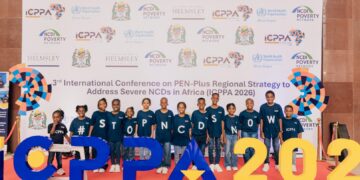





Meeting in Dar es Salaam for the 3rd International Conference on PEN-Plus in Africa (ICPPA 2026), global health leaders, policymakers, and civil society organizations renewed their commitments to combat severe noncommunicable diseases across sub-Saharan Africa. The three-day conference highlighted the urgent need to address complex chronic illnesses that currently lack sufficient decentralized funding. Moving advanced diagnostics and long-term care models into rural healthcare facilities is critical to reducing catastrophic household expenses for millions of families.
Scaling Up the PEN-Plus Framework for Severe Noncommunicable Diseases
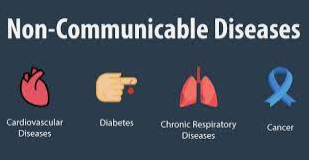
Over 100 million individuals across the continent live with advanced chronic conditions, such as type 1 diabetes, sickle cell disease, rheumatic heart disease, and pediatric cancers. Currently, specialized healthcare infrastructure remains heavily centralized in major urban hubs, isolating rural populations from vital diagnostics and life-saving management. Addressing these severe noncommunicable diseases requires an immediate structural shift toward community-centered integrated models to protect low-income households from severe economic shocks within the regional health sector.
The innovative PEN-Plus strategy acts as an African-led solution to bring complex care options closer to rural populations. By decentralizing clinical interventions to first-level referral hospitals, the model integrates chronic care pathways effectively instead of relying on standalone specialized clinics. Currently, 20 countries within the WHO African Region are actively initiating or implementing the program, supported by global coalitions like the NCDI Poverty Network and the Helmsley Charitable Trust.
Increasing Domestic Investments to Manage Severe Noncommunicable Diseases
Tanzanian Minister of Health H.E. Mohamed Omary Mchengerwa stated that the strategy offers a unified African response to current health realities, providing an optimal platform to advocate for sustained medical investments. Similarly, Dr. Mohamed Janabi, WHO Regional Director for Africa, emphasized that scaling these integrated frameworks will save countless lives while reinforcing foundational public health safety nets. To achieve the 2030 targets, regional states must curb critical risk factor vectors—including tobacco use, air pollution, and physical inactivity—while leveraging modern information tracking tools.
To coordinate clinical updates across remote treatment hubs, health offices are rolling out synchronized communication networks within the domestic tech sector. These registries track patient vitals, stock levels of life-saving medicines like insulin, and local staff training profiles. This digital expansion helps teams share real-time epidemiological metrics, matching the data modernization frameworks promoted by the Africa CDC emergency registry to handle regional public management hurdles.
Independent medical analysts sharing their professional opinion columns note that long-term stabilization requires integrating specialized care directly into standard primary health facilities. They argue that when rural clinics possess trained medical staff and predictable medicine pipelines, they can keep patients out of expensive emergency wards. Prioritizing this workforce capability simultaneously opens up thousands of technical jobs for community nurses and data clerks, safeguarding general household stability and expanding the local healthcare business environment.
Ultimately, achieving global health equity requires an uncompromised blend of financial commitment and localized operational strategy. Dr. Gene Bukhman, Professor at Harvard Medical School and Co-Chair of the NCDI Poverty Network, concluded that integrated care delivery strengthened by coordinated social movements holds the promise to transform health access for everyone. For ongoing event coverage and to track upcoming policy frameworks, visit the official WHO Africa news room online to monitor regional disease suppression strategies.