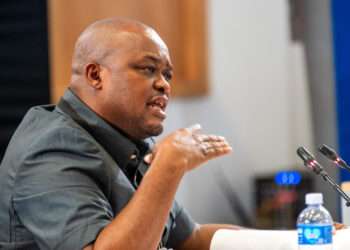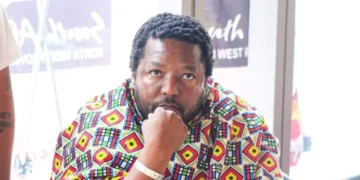





North West crime and anti-corruption campaigner thato molosankwe was shot and killed at his home in Lomanyaneng on Wednesday morning. The targeted assassination of the prominent grassroots leader removes a vital voice for community accountability in South Africa, highlighting the severe physical risks faced by African activists challenging local syndicates. His death leaves a massive leadership vacuum in Mahikeng as residents demand immediate police intervention.
The Core Story
Unknown assailants accosted thato molosankwe in the early hours of Wednesday, shooting him multiple times before fleeing the scene. According to police reports detailed by eNCA, the social activist and traditional healer sustained fatal gunshot wounds and died at his Lomanyaneng village residence. Authorities have deployed the provincial murder and robbery unit to investigate the killing, treating it as a high-priority murder case. The acting Police National Commissioner, Lieutenant General Puleng Dimpane, immediately directed major resources toward hunting down the perpetrators of this brutal attack on thato molosankwe.
Background & Context
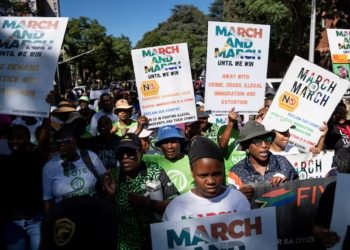
For years, thato molosankwe served as a fearless moral crusader, gaining national attention for organizing long-distance walks from Johannesburg to Mahikeng to protest gender-based violence. Operating from the Credo Mutwa Cultural Village, he campaigned aggressively against local corruption, illegal syndicates, and child marriages. His foundational work established him as a critical safety net for vulnerable populations in the North West province, an area severely impacted by poverty and violent crime.
Significance & Stakes
The murder of thato molosankwe represents a critical escalation in the systematic targeting of whistleblowers and community defenders in South Africa. As detailed in breaking coverage by IOL News on the activist’s murder, silencing a high-profile figure creates a chilling effect on local governance oversight. This assassination directly undermines community-led safety initiatives, forcing local business networks and civil society organizations to operate in a climate of intense fear. Furthermore, the loss of his traditional healing practice disrupts a critical health and spiritual resource for the Lomanyaneng community.
Voices & Perspectives
Acting National Commissioner Puleng Dimpane strongly condemned the attack, assuring the public that law enforcement will leave no stone unturned in their pursuit of the killers. Community members reflected on his legacy, noting he often described himself as “a father of fatherless children and of absent fathers,” emphasizing the profound humanitarian impact of the Thato Molosankwe Charity Foundation. Residents expressed immense shock, warning that his vocal criticism of poor governance and local crime syndicates likely motivated the targeted assassination.

The Pan-African Angle
The assassination of thato molosankwe reflects a disturbing regional trend where state failure to protect activists endangers the core pillars of democratic accountability across the continent. Similar targeted killings of anti-corruption figures in countries like Kenya and Nigeria demonstrate how organized crime violently suppresses civil society when institutional protections remain weak. This incident starkly contradicts the African Union’s Agenda 2063 aspirations for peaceful and secure societies, proving that local community defenders urgently require formalized regional security frameworks. Furthermore, his ambitious campaigns, including a planned massive trek from Cape Town to Cairo, underscored a deeply unified Pan-African vision aimed at resolving ethnic conflict and social decay.
What Happens Next
South African police are now under immense political and public pressure to deliver rapid arrests, with specialized units scouring Mahikeng for investigative leads. Local civic organizations are expected to mobilize large-scale demonstrations demanding justice and enhanced protection for whistleblowers. The future of his charity initiatives and community programs now depends on whether younger activists will brave the severe security risks to continue the essential work of thato molosankwe.
Conclusion
The violent silencing of a community protector exposes the deadly reality of confronting entrenched syndicates without adequate state security. To honour his legacy, Afrikeye and other continental platforms must continue spotlighting the structural vulnerabilities that leave grassroots leaders dangerously exposed. While activists often drive the initial push for systemic reform, their physical safety remains the ultimate litmus test for the rule of law in any developing democracy. (For those looking to explore broader regional narratives and secure transit, visit Afrikeye Travel).