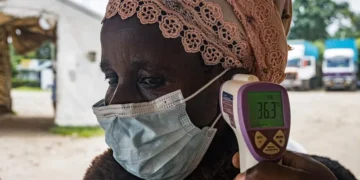





Ebola Symptoms in DRC and Uganda Push WHO to Declare Global Emergency — Africa Must Act on Its Own Terms
Ebola symptoms emerging from the Democratic Republic of the Congo’s Ituri Province have triggered the highest international health alert in years, with the World Health Organization declaring a Public Health Emergency of International Concern on 17 May 2026. The outbreak has already crossed into Uganda, where two confirmed imported cases have been recorded — one of them fatal. For a continent still building the surveillance infrastructure its people deserve, the speed of this escalation is both a warning and a test.
The WHO’s official PHEIC determination confirmed that this is the DRC’s 17th Ebola outbreak since 1976 — and only its second caused by the Bundibugyo strain. As of 16 May, authorities had recorded eight laboratory-confirmed cases, 246 suspected cases, and 80 suspected deaths in Ituri Province alone. A case was subsequently confirmed in Goma, a major transit city under significant security pressures, deepening concern about the outbreak’s reach into high-density population corridors. The WHO’s detailed disease outbreak notice makes clear that the true scale of transmission remains unknown, and the outbreak is likely larger than current figures indicate.
What makes this outbreak particularly difficult to contain is the nature of the Bundibugyo virus itself. Early ebola symptoms — fever, fatigue, muscle pain — are clinically indistinguishable from malaria or severe influenza, diseases that circulate constantly across the region. Frontline health workers in Ituri, already stretched by years of conflict and displacement, face the near-impossible task of isolating patients whose initial presentation gives no clear signal.
By the time haemorrhagic symptoms appear, transmission chains are already established. Unlike previous Ebola outbreaks in the DRC, there is no licensed vaccine and no approved treatment for the Bundibugyo strain, which has historically carried case fatality rates of between 30 and 50 percent.
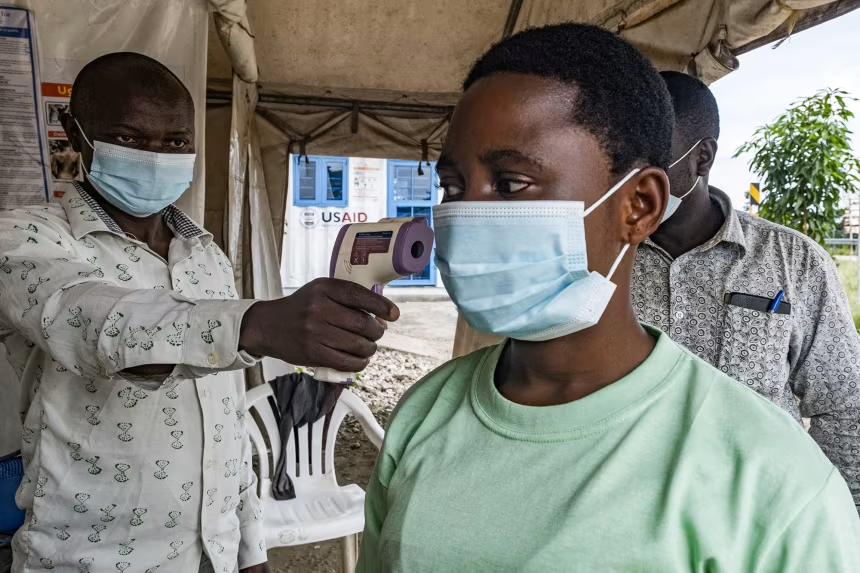
The humanitarian context compounds everything. Ituri Province has been a zone of protracted armed conflict for decades. Infected individuals are moving through the same insecure transit corridors used by displaced populations, making traditional contact tracing extraordinarily difficult. Al Jazeera’s reporting on the outbreak noted that a case confirmed in Goma involved the wife of a deceased patient who had already travelled across the country while infected — a sobering reminder of how quickly a contained cluster becomes a national crisis.
For wider context on how cross-border insecurity and displacement have shaped civil society responses across the region, AfrikEye’s coverage of Ghana’s emergency evacuation of citizens from South Africa illustrates how rapidly population movement can transform a local event into a continental concern.
Dr. Anne Ancia, the WHO representative in the DRC, stated plainly that significant uncertainty remains about both the number of infections and the full geographic spread of the virus. She emphasised that community cooperation is not supplementary to the response — it is the response. Without trust between health authorities and the populations they serve, isolation protocols fail, contact tracing breaks down, and mobile laboratories arrive too late.
The US Centers for Disease Control confirmed its mobilisation to support DRC and Uganda ministries of health, though international partners are clear that this outbreak will only be controlled from within affected communities, not managed from outside.
The economic consequences of uncontained ebola symptoms are already registering. Asian nations have moved quickly to increase border screening and adjust entry requirements for travellers from affected regions. For African businesses relying on cross-continental logistics and trade — including the supply chains that the African Continental Free Trade Area was designed to integrate and strengthen — every day of heightened alert carries a real cost in delayed shipments, cancelled engagements, and depressed investor confidence. Those planning travel across the region should monitor updates through AfrikEye Travel as border protocols evolve.
The UN News has documented that WHO’s emergency declaration stops short of classifying this as a pandemic emergency — the highest tier under the revised International Health Regulations — but the organisation assessed the regional risk as high. That distinction matters for how neighbouring countries respond. Kenya, Rwanda, South Sudan, and Tanzania all share population corridors with either DRC or Uganda. Each government now faces the same calculation: how much of an economic and logistical cost will border tightening impose on their own citizens, and at what point does that cost become unavoidable?
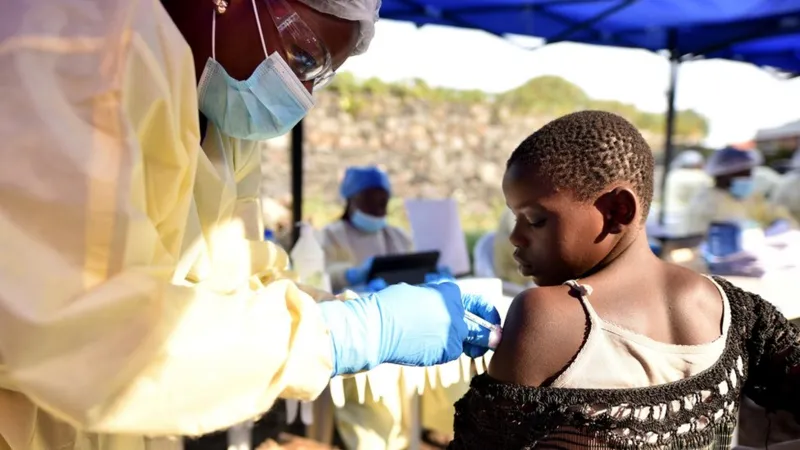
The deeper challenge this outbreak exposes is structural. Africa CDC, the continental body designed precisely for this kind of crisis, must be given the mandate, funding, and political backing to lead responses rather than coordinate behind international agencies. AfrikEye’s health coverage has consistently tracked how the continent’s health infrastructure gaps — from diagnostic capacity to cold-chain vaccine storage — leave communities exposed at the exact moment they need protection most.
The absence of a Bundibugyo-specific vaccine is not an accident; it is the result of decades of underinvestment in diseases that primarily affect African populations. That must change before the next outbreak, not during it.
The immediate priority is practical and urgent: mobile laboratories need to reach affected health zones before transmission chains expand further; community health workers need training and protective equipment; and safe treatment centres need to be operational before confirmed case numbers overwhelm local hospitals.
For those tracking wider health resilience themes across the continent including the personal toll that health crises place on individuals and communities AfrikEye’s full health section carries continuous coverage. The window to contain this outbreak is narrowing. Whether Africa’s health systems meet this moment on their own terms, or wait for the international community to define the response, will determine not just the outcome of this outbreak, but the trajectory of the continent’s medical sovereignty for the decade ahead.