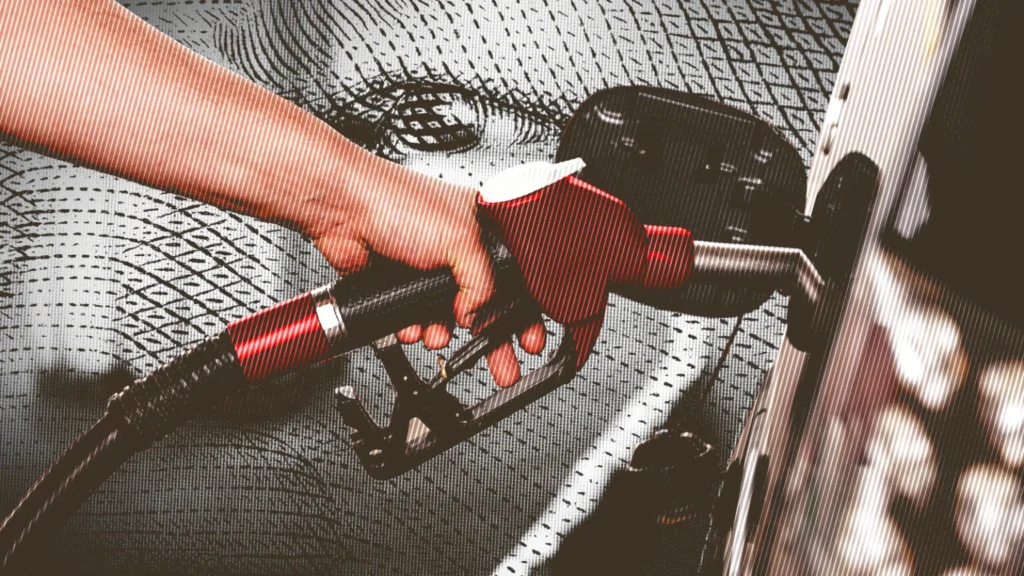
Forecasts for the petrol price June 2026 adjustment show South African motorists will face steep increases as the national government phases out emergency tax relief. This reversal highlights a growing crisis for Africa’s most industrialised economy, where energy costs are suffocating domestic politics and growth. The decision ends a brief period of optimism and exposes the fragility of state interventions in global fuel markets.
The Central Energy Fund has recorded a slight over-recovery in basic fuel prices for early June. This marginal market gain will be completely wiped out when the Treasury ends fuel levy relief. Authorities will reintroduce R1.50 of the standard fuel tax per litre next week, forcing the final pump price up by more than R1.40, though diesel consumers will see price cuts that benefit major business operations.
The initial tax relief of R3.00 per litre was implemented in April to shield consumers from global oil shocks tied to the Iran conflict. Brent crude is now hovering around $100 a barrel following reports that Washington and Tehran have negotiated an understanding to reopen the Strait of Hormuz. This diplomatic progress is easing international supply pressures, which will directly benefit commercial travel and logistics.
Economic Fallout From the Petrol Price June 2026 Hike
The returning petrol taxes threaten to trigger secondary inflation across the Southern African Development Community, where transport costs dictate food pricing and agricultural jobs. Economists at Nedbank project the South African Reserve Bank will raise the repo rate to 7% later this week to manage the economic fallout. The bank noted that inflation expectations remain highly sensitive to local fuel price adjustments, endangering essential health supply chains.
South Africa’s dependency on diesel mirrors a structural vulnerability shared by heavy industries from Lagos to Nairobi. When African states rely on volatile global chokepoints, the resulting economic heartbreak damages everything from tech startups to grassroots infrastructure. The looming price hike serves as a stark warning to other African governments regarding the danger of temporary fuel subsidies.
Removing these fiscal buffers frequently triggers strong public backlash, an opinion echoed during recent subsidy removals in Nigeria and Kenya. Exploring alternative energy frameworks and deploying AI models for supply chain resilience remains critical for the continent. African leaders must prioritise regional energy security over short-term political fixes to shield their economies from distant geopolitical disputes.
Regional markets are now watching the South African Reserve Bank’s impending interest rate decision, which will impact discretionary spending across sectors like sports and retail. Continental trade authorities must accelerate intra-African energy infrastructure projects if the region hopes to break its reliance on unpredictable supply chains. Further clarity may emerge as policymakers face questions in upcoming public AMA forums regarding long-term economic stability.