




South Africa’s automotive sector is undergoing a historic structural shift as major global manufacturers aggressively pivot away from traditional combustion engines. Toyota is simultaneously introducing its inaugural battery-powered passenger vehicle and forging a strategic hydrogen alliance with the national government. For a continent heavily dependent on imported fossil fuels, electric car transition signals a profound transformation in the regional business landscape.
TopAuto reports that Toyota is finally preparing to launch its first fully electric vehicle into the domestic market, marking a watershed moment for the country’s most popular car brand. Parallel to this battery-electric rollout, the Japanese automaker is hedging its long-term technological bets. The Citizen confirmed a new partnership between Toyota and the South African government to proactively accelerate commercial hydrogen mobility across major domestic freight corridors.
Toyota is not the only manufacturer radically altering its domestic strategy to meet international emission mandates. Another major carmaker is systematically moving away from petrol and diesel sales in South Africa, reflecting a permanent global divestment from fossil fuel platforms. These irreversible corporate decisions force local policymakers to urgently rethink national infrastructure, tariff structures, and long-term energy politics.
The immediate consumer environment remains highly complex, with citizens still battling volatile global oil markets. While the introduction of zero-emission vehicles dominates corporate boardrooms, middle-class commuters remain focused on immediate relief at the fuel pumps. Bridging the immense pricing gap between heavily taxed internal combustion vehicles and premium battery models remains the primary obstacle to mass consumer adoption.
The Strategic Race to Build the African Electric Car
The rapid pivot toward new energy vehicles heavily disrupts the established continental automotive supply chain. South Africa currently exports thousands of combustion engine vehicles to neighboring markets, supporting thousands of highly skilled jobs in the provincial manufacturing sector. If Pretoria fails to aggressively retool its massive assembly plants in Durban and Gqeberha, the country risks losing its dominant export position under the African Continental Free Trade Area.
The global zero-emission transition fundamentally relies on critical minerals sourced directly from the African continent. The Democratic Republic of Congo controls the vast majority of the global cobalt supply, while Zimbabwe lithium is highly sought after by international battery manufacturers. Capturing the immense financial value of these raw materials through domestic refinement is absolutely crucial for the long-term economic health of the Southern African Development Community.
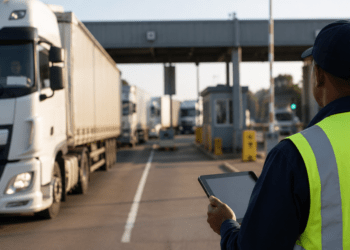
A successful transition requires massive, coordinated investments in municipal grid stability and rapid-charging architecture. South Africa’s persistent struggles with reliable power generation present a severe logistical barrier to widespread passenger vehicle electrification. Consequently, the commercial partnership exploring hydrogen fuel cells offers a highly pragmatic alternative for heavy-duty trucking operations that simply cannot afford prolonged grid-dependent charging delays.

Managing these advanced new electrified transport networks requires sophisticated digital infrastructure across the region. Leading logistics companies are already deploying advanced AI software to aggressively optimize charging schedules and precisely track battery degradation across commercial freight fleets. The seamless integration of this digital tech into the regional transportation sector will determine which African trade corridors remain globally competitive.
The structural evolution of mobility solutions also deeply impacts the domestic travel and luxury hospitality industries. Premier game reserves and coastal resorts must now urgently install high-capacity charging stations to successfully accommodate international tourists utilizing rented green vehicles. Even major sports events are facing strict new sustainability mandates that explicitly require fleets of zero-emission vehicles for logistical support and VIP transport.
This shift starkly highlights a growing, bifurcated mobility trend across the broader African continent. While South Africa heavily focuses on securing the manufacturing base for expensive four-wheeled passenger vehicles, nations like Kenya and Rwanda are experiencing a massive, grassroots boom in electric two-wheelers. Harmonizing these vastly different regional mobility strategies remains a critical challenge for African Union policymakers attempting to draft unified industrial guidelines.
The South African government recently published its long-awaited white paper on new energy vehicles, attempting to outline a cohesive state response. However, automotive industry executives argue the proposed production incentives lack the aggressive financial backing required to successfully compete with highly subsidized Asian manufacturers. Failing to protect the domestic manufacturing base will inevitably result in a flood of cheap, imported battery vehicles that completely hollows out local industrial capacity.
Trade ministers and industrial planners across the continent will monitor closely how South Africa manages this highly complex industrial transition. The ability of the continent’s most advanced economy to successfully negotiate new tariff protections for domestically produced green vehicles will heavily dictate the future of African industrialization. Securing a lucrative position within the global battery value chain is no longer an optional policy goal; it is a profound structural necessity.
For continuous, in-depth coverage of this critical economic shift, visit the Afrikeye homepage directly. You can also participate in our live AMA sessions with top automotive analysts to share your personal opinion on the future of African mobility.