





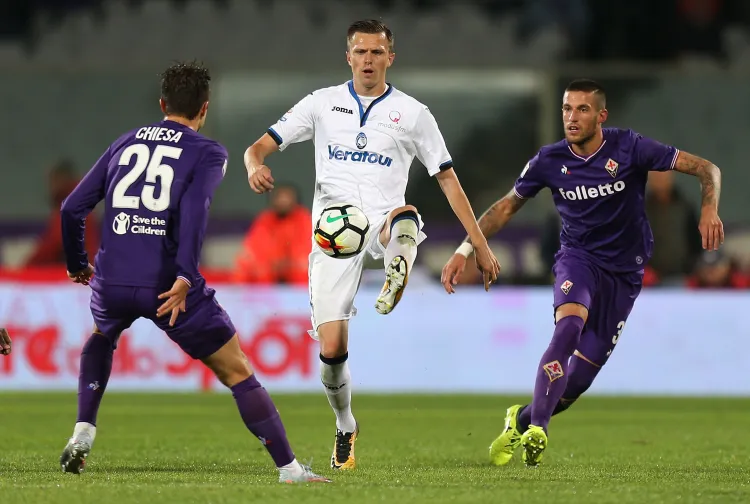
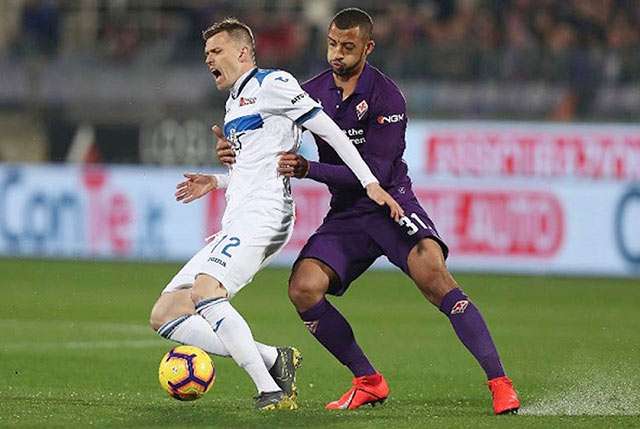
A high-stakes tactical showdown in Italy’s top tier concluded late Friday night as Fiorentina vs Atalanta clashed in a crucial Serie A fixture with major implications for European qualification. For football fans and sports analysts across the continent, this fixture serves as a major window into how premier European clubs leverage top-tier African talent to secure multi-million euro competitive advantages. The tactical and athletic standards on display directly shape the development pathways for young prospects aspiring to break out of domestic leagues into the global sports industry.
The highly anticipated match at the Stadio Artemio Franchi saw both managers deploy aggressive, attack-minded systems designed to exploit structural defensive weaknesses. Football Italia confirmed the official lineups ahead of kick-off, highlighting key tactical changes made to manage player fatigue at the tail end of a gruelling domestic campaign. With both squads fighting aggressively for positions in continental competitions, the tactical discipline required from the opening whistle underscored the razor-thin margins defining elite modern football.
Fierce mid-table and upper-tier competition in European leagues heavily dictates the international scouting focus on African football academies, which frequently supply the raw athleticism and technical flair seen in Serie A. BBC Sport tracked the live action as the game swung between Fiorentina’s possession-heavy build-up play and Atalanta’s trademark high-intensity pressing scheme. The tactical chess match provided an unforgiving environment where a single misplaced pass or defensive lapse could instantly undo months of meticulous training ground preparation.
The immense pressure surrounding the fixture was further amplified by global sports forecasting metrics and intensive analytical speculation in the buildup to the game. According to specialized match analytics published by TelecomAsia Sport in their global accumulator assessments, this specific encounter was flagged as one of the most unpredictable yet structurally significant games of the weekend. The massive financial interests riding on these outcomes demonstrate how heavily elite European football influences the broader sports entertainment market, an expanding sector heavily monitored by observers of African business trends.
The economic implications of elite match outcomes extend far beyond simple club rivalries, directly impacting the market valuation of participating players and their respective national teams. For elite clubs like Fiorentina and Atalanta, securing a spot in European competitions unlocks massive broadcasting windfalls, lucrative commercial sponsorships, and increased matchday revenue streams. This heavy concentration of capital in European football continues to drive the global talent migration pattern, drawing Africa’s finest athletic assets away from domestic leagues into major northern hemisphere hubs.
The constant drain of premium talent highlights a critical challenge for sports administrators on the continent who are tasked with building self-sustaining domestic sporting infrastructure. While individual player success stories inspire millions of youths, the systematic migration of teenage prodigies often leaves local African clubs financially undercompensated and structurally hollowed out. Balancing the lucrative personal career progression of players with the long-term institutional growth of African sports remains a deeply contested topic in regional football politics.
On the pitch, the prominent roles played by West and North African expatriates in both squads highlighted the tactical versatility that continental players bring to complex European systems. Managers increasingly rely on the tactical intelligence, tactical discipline, and immense physical endurance of these players to execute sophisticated tactical instructions under intense physical pressure. The ability of these athletes to seamlessly adapt to diverse footballing philosophies proves that the standard of foundational training in select African academies is rapidly evolving.
Elite athletic training requires comprehensive infrastructure, and advanced modern clubs are increasingly integrating cutting-edge medical tracking and health monitoring technologies to maximize player longevity. Preventing soft-tissue injuries during high-intensity tactical pressing sequences is a multi-million euro priority for club owners who cannot afford to lose star assets during crucial seasonal run-ins. The adoption of these sophisticated sports science methodologies provides a clear blueprint that African sports federations must replicate to protect their national team assets.
The structural reliance on advanced analytics is also revolutionizing the way talent is scouted, with elite European networks heavily deploying data-driven systems across West and East Africa. Traditional scouting methods are being rapidly replaced by automated video analysis and algorithmic performance profiling, changing the nature of talent identification jobs globally. This technological shift means that young African players must now be both physically exceptional and statistically elite to attract the attention of top-tier European scouts.
The integration of advanced tech platforms in football operations mirrors a wider global trend where machine learning models are utilized to predict player development curves and potential injury risks. Forward-thinking sports academies across Accra, Dakar, and Johannesburg are starting to invest in these digital profiling tools to ensure their graduates meet the strict data metrics demanded by European buyers. This digital transformation of sports development highlights how deeply technology is rewriting the rules of global athletic commerce.
As data collection becomes more sophisticated, some pioneering clubs are even exploring how AI software can optimize real-time in-game tactical adjustments based on tracking data from opposing players. While traditionalists argue that football is ultimately decided by human intuition and emotion, the relentless drive for competitive advantage makes the adoption of algorithmic systems completely inevitable. For African football to remain globally competitive, continental institutions must aggressively embrace these digital innovations rather than relying solely on natural athletic talent.
The continuous export of elite talent also has a massive, tangible impact on the domestic hospitality, aviation, and travel sectors as thousands of fans and scouts move across borders. International match breaks see massive movements of elite athletes returning to represent their nations, creating significant logistics and sports management coordination challenges. Managing this complex, highly lucrative transit network requires seamless coordination between state departments, private airlines, and international football governing bodies.
The structural lessons drawn from the tactical sophistication of the Fiorentina and Atalanta clash offer invaluable insights for the ongoing development of the African Nations Championship and local club tournaments. To elevate domestic African competitions to a level where they can retain premium broadcasting capital, local leagues must enforce stricter tactical coaching standards and improve pitch infrastructure. Without a dramatic elevation in domestic operational standards, continental club football will remain a secondary feeder network for wealthy European institutions.
Club executives will now turn their attention to the upcoming summer transfer window, where the performances delivered in late-season fixtures like this one will directly dictate player transfer valuations. Scouts will analyze the data points gathered during Friday’s grueling encounter to determine which tactical profiles can be successfully replicated or replaced by cheaper talent sourced directly from the global south. The continuous cycle of talent acquisition and financial optimization remains the core engine driving the modern football economy.
For a comprehensive, multi-dimensional analysis of these intersecting sports, business, and technological trends, visit the Afrikeye homepage to explore our latest long-form features. You can also actively participate in our weekly, interactive AMA sessions with respected regional sports journalists and policy experts to voice your personal opinion on the future of African talent development.