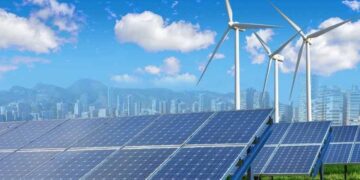





As global markets debate the future of hydrocarbons, the São Tomé and Príncipe energy transition is offering a masterclass in strategic dual-track development. By simultaneously auctioning frontier offshore oil blocks and pursuing ambitious solar goals, the island nation is positioning itself as a vital player in Africa’s economic landscape. This balanced strategy will take center stage this October when Infrastructure and Natural Resources Minister Nelson Mário de Carvalho Rosa Cardoso addresses global investors at the Africa Energy Week (AEW) 2026 in Cape Town.
The immediate draw for foreign capital lies beneath the Gulf of Guinea. Recent geological assessments suggest the archipelago shares the lucrative hydrocarbon prospectivity of its neighbors, Gabon and Equatorial Guinea. Capitalizing on this, the National Petroleum Agency launched an offshore licensing round in May 2026 for Blocks 7, 8, and 9. This expansion follows a landmark deal where Brazilian state energy giant Petrobras acquired a 75 percent operating interest in offshore Block 3. The entry of Latin American and European majors signals to business leaders that African frontier basins remain highly viable, long-term commercial investments in global energy markets.
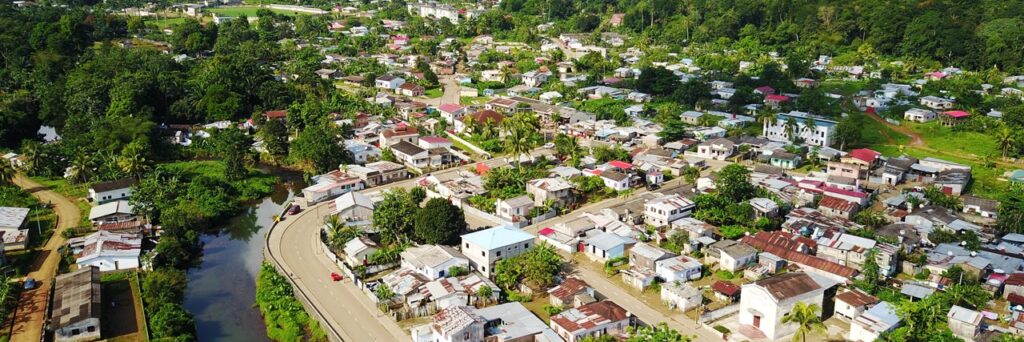
Yet, extracting oil is only half of the administration’s blueprint. The government recognizes that actual economic sovereignty requires domestic power security. Currently, renewables account for just 5 percent of electricity generation; the state aims to drive this to 50 percent by 2030. To fund this rapid transition, the government is mobilizing $190 million through a newly launched National Sustainable Energy Investment Plan. Crucially, the country has aligned with the World Bank and the African Development Bank under the Mission 300 initiative. This alignment involves deep regulatory reforms to attract independent power producers and modernize the fragile national grid.
For the wider continent, this approach illustrates how developing African nations can leverage fossil fuel interest to bankroll a green grid. Furthermore, stabilizing the domestic power supply and expanding infrastructure is an absolute prerequisite to boosting corporate and leisure travel to the islands, transforming the archipelago into a more accessible commercial hub. As government policymakers implement these reforms, they set a precedent for using multinational partnerships to subsidize national clean energy independence.
“São Tomé and Príncipe is demonstrating that energy security is built through diversification,” noted NJ Ayuk, Executive Chairman of the African Energy Chamber. By refusing to choose between immediate resource monetization and long-term climate resilience, the country is crafting a balanced investment ecosystem. As Minister Cardoso prepares for high-level financing talks in Cape Town, the rest of the continent will be watching closely. If this dual-track model succeeds, it will provide a replicable roadmap for emerging African producers aiming to secure both their economic present and their sustainable future.