




Terrifying Ebola Outbreak in DRC Spreads Across East African Borders
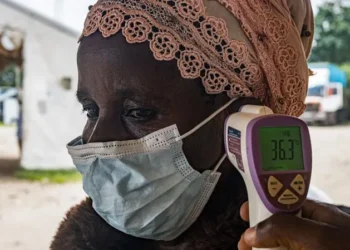
A deadly Ebola outbreak in DRC is rapidly expanding across eastern provinces and spilling into neighbouring Uganda, testing the limits of cross-border health surveillance. According to data released by the World Health Organization on June 3, 2026, the epidemic has already infected 381 people and claimed 64 lives. The continuous spread of this highly contagious disease highlights the immense difficulties of managing a public health emergency within active conflict zones.
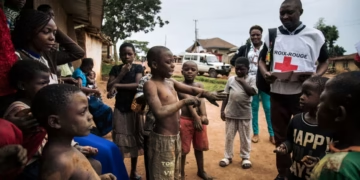
Medical teams face severe resistance from local communities, who frequently run away from treatment facilities due to deep-seated security fears and cultural misinformation. In several rural villages, health workers trying to secure safe burials have been driven out by force, allowing families to handle contaminated bodies traditionally. This direct exposure threatens to accelerate transmission rates dramatically, turning localized clusters into a uncontrollable regional disaster.
Deepening Resistance Hinders Science Amid the Ebola Outbreak in DRC
The current crisis is driven by the rare Bundibugyo strain, an aggressive variant for which no licensed vaccine or specific therapeutic treatment currently exists. Marie Roseline Belizaire, the World Health Organization’s Emergency Preparedness Director for Africa, noted that the primary challenge is often social rather than strictly medical. Field teams must continuously negotiate with traditional healers to ensure patients exhibiting severe symptoms are quickly referred to modern isolation centers.
Despite these cultural hurdles, local laboratories have successfully managed to scale up diagnostic capacity from 40 tests per day to over 800 daily operations. This rapid diagnostic turn-around allows medical staff to isolate confirmed cases within 24 to 48 hours, preventing widespread clinical exposure. However, overall contact tracing remains stuck at 45 percent, a figure far below the 90 percent threshold required to break the chain of transmission.
The cross-border movement of infected individuals remains a significant threat to regional health security as Uganda registers 15 confirmed infections. One infected individual reportedly travelled extensively through international transport hubs before being isolated, illustrating how easily global networks can distribute localized pathogens. Regional bodies are utilizing international health regulations to synchronize cross-border screening, but porous borders frequently undermine these containment measures.
Public health campaigns are pivoting toward community integration rather than direct confrontation regarding local customs and ancestral beliefs. Because early symptoms mirror basic malaria infections, many rural families attribute sudden fatalities to witchcraft or localized poisoning rather than viral pathogens. Frontline workers are actively educating community leaders to understand that spiritual beliefs can coexist alongside scientifically proven emergency medical responses.
The lack of specialized pharmaceutical tools means supportive clinical care, including rapid rehydration and symptom management, is the only current survival pathway. Dr. Tedros Adhanom Ghebreyesus, Director-General of the World Health Organization, recently visited the epicentre to assess infrastructural gaps and coordinate global technical assistance. He warned that misinformation is spreading just as fast as the physical pathogen, directly sabotaging containment work.
This ongoing health emergency directly threatens regional economic stability and the preservation of crucial healthcare jobs across Central Africa. Prolonged quarantine measures inevitably disrupt agricultural supply lines and cross-border business networks that local communities rely on for daily survival. If the infection reaches major trading cities, the fiscal strain will quickly overwhelm national health budgets and halt regional development programs.
SADC and East African medical agencies are closely analyzing the World Health Organization field data to prepare their own national border defenses. Past epidemics in West Africa show that delaying local community engagement always results in catastrophic infection spikes and economic devastation. The continental consensus highlights that community trust is just as vital as logistical supply chains during a major biological emergency.
Local administrative politics must now prioritize health infrastructure over political maneuvering to ensure containment funds are distributed transparently. While public opinion remains anxious about the absence of a working vaccine, Afrikeye notes that early institutional treatment has already saved several medical workers. The focus now turns to whether the African Union can deploy immediate financial emergency reserves to assist the overstretched Congolese health ministry.