




The NHS will introduce menopause screening in England’s routine health checks starting next year, aiming to improve healthcare for menopausal women and ensure early support for those affected by symptoms.
A Step Toward Better Menopause Care
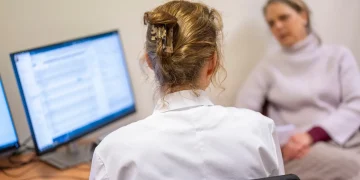
From 2026, women aged 40 to 74 attending NHS health checks will be asked about menopause symptoms. This inclusion is designed to guide them toward treatments like hormone replacement therapy guidance, medications for hot flushes, and counselling support. Health Secretary Wes Streeting said the goal is to help women “stop suffering in silence” and normalize conversations about menopause within healthcare.
These checks—traditionally focused on identifying risks for heart disease, diabetes, and dementia—will now provide menopause screening options to catch early signs of hormonal changes affecting wellbeing.
Reducing Stigma and Increasing Awareness
Menopause typically occurs between 45 and 55, but symptoms can start earlier. About 75% of women experience side effects such as hot flushes, brain fog, and joint pain, lasting up to seven years. However, fewer than one in ten women feel adequately informed about managing their symptoms.
Women’s Health Ambassador Dame Lesley Regan welcomed the move, noting that 400,000 women in the UK will experience menopause this year. Experts like Prof. Ranee Thakar of the Royal College of Obstetricians and Gynaecologists believe this initiative can “break down barriers and reduce stigma,” though she emphasized the need for staff training and equitable access.
Addressing Health Inequality
Campaigners warned that attendance rates for health checks remain low, particularly among ethnic and low-income communities. Janet Lindsay from Wellbeing of Women urged the NHS to ensure no woman is left behind in receiving care or information about healthcare for menopausal women.
Latest data shows fewer than half of those invited for health checks attend, highlighting the importance of outreach and awareness campaigns.
For travel wellness guides and lifestyle updates, visit Afrikeye Travel.
This story was first reported by BBC. Read the full article here.