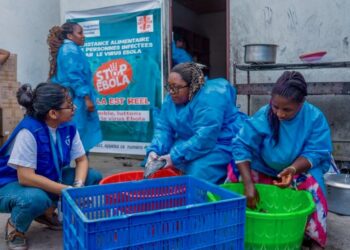





Africa is accelerating efforts to achieve greater self-reliance in healthcare amid frequent disease outbreaks and dwindling donor support. Dr. Jean Kaseya, Director-General of the Africa Centres for Disease Control and Prevention (Africa CDC), warned that many nations remain underprepared for future pandemics due to weak epidemiological surveillance systems, limited laboratories, and inconsistent funding.
Building Resilient Health Systems in Africa
Speaking at the Conference on Public Health in Africa (CPHIA) 2025 in Durban, Kaseya emphasized the urgent need for Africa to enhance domestic financing, improve data management, and expand healthcare supplies production. “We are still fragile,” he admitted, “but progress since COVID-19 has shown Africa’s ability to improve its outbreak response mechanisms.”
Countries like the Democratic Republic of Congo have replaced ad hoc outbreak committees with permanent institutes, allowing faster, coordinated responses based on institutional knowledge.
Advancing Africa’s Health Sovereignty
Africa CDC’s current focus is on financial independence and local manufacturing. Kaseya stressed that “the work to build the continent cannot be outsourced.” To that end, ten public finance experts will be deployed to ten African nations to strengthen coordination between ministries of health and finance, ensuring effective resource allocation.
He also highlighted the need for better governance and stronger alignment between donor programs and national health strategies. This supports Africa’s goal of achieving long-term Africa health emergency response capacity.
Boosting Local Manufacturing and Innovation
Africa CDC is mapping pharmaceutical manufacturing across the continent to strengthen local vaccine and drug production. With only 570 manufacturers compared to over 10,000 in India and 5,000 in China, Africa aims to expand its industrial base to reduce import dependency. Harmonizing regulations will also help lower costs and boost regional trade.

Funding Challenges and Domestic Responsibility
Dr. Joe Phaahla, South Africa’s Deputy Health Minister, urged African governments to reduce reliance on external donors as contributions to global health funds decline. He called for innovative and sustainable financing models, including public-private partnerships, to maintain progress in healthcare and pandemic preparedness.
Driving Science and Biotechnology for Health Impact
Dr. Nhlanhla Msomi, President of AfricaBio, highlighted biotechnology as a key to transforming Africa’s healthcare future. By fostering homegrown research and epidemiological surveillance systems, Africa can create impactful innovations that meet local needs and reduce reliance on imported solutions.
This growing emphasis on healthcare supplies production and domestic health innovation signals a shift toward genuine independence in Africa’s public health landscape.
Explore more about African development and travel opportunities at Afrikeye Travel.
This story was first reported by Health Policy Watch. Read the full article here.