The global spotlight has shifted to Simon’s Town this week as several brics warships arrive cape town to participate in a high-profile multinational naval exercise. Led by China, the “Will for Peace 2026” maneuvers involve significant naval assets from Russia and Iran, marking a strategic demonstration of cooperation in the Southern African region.
This major Africa News Update 2026 comes at a time when Pretoria is navigating a complex web of international relations and domestic legislative changes, including ongoing debates over national policy and social reforms.
Strategic Maneuvers and Maritime Safety
According to the South African National Defence Force (SANDF), the primary objective of the exercise is to protect key shipping routes and harmonize joint operational procedures. As the brics warships arrive cape town, the fleet—which includes the Chinese destroyer Tangshan and the Iranian command ship IRIS Makran—will engage in intensive interoperability drills.
Military analysts note that these exercises are vital for a navy that has struggled with resource constraints. The presence of international partners allows South African personnel to gain experience in advanced maritime protection serials that are often impossible to conduct solo due to high operational costs.
Integration of New Technologies
The 2026 drills are also expected to showcase how modern technology is reshaping naval defense. Local experts recently discussed current AI trends in Cape Town, highlighting how automated surveillance and data-driven logistics are becoming integral to safeguarding African waters from piracy and illegal trade.
Geopolitical Friction and National Sovereignty
The fact that brics warships arrive cape town has not been without controversy. The inclusion of Russian and Iranian vessels has drawn sharp criticism from Washington. The current U.S. administration has expressed concern over South Africa’s deepening ties with the BRICS+ bloc, viewing the drills as a departure from the country’s stated policy of non-alignment.
Within South Africa, the move has sparked a debate on the true meaning of independence. This discourse often draws on the legacy of figures like Renfrew Leslie Christie, an anti-apartheid stalwart who dedicated his life to defending South African sovereignty. His recent passing reminds the nation of the long struggle to define its own strategic path without external interference.
Infrastructure and Economic Impact
Beyond the military implications, the arrival of such large vessels puts a spotlight on local port capabilities. Enhancing harbor facilities is a key part of the continent’s broader goal to train new infrastructure leaders capable of managing large-scale construction and logistics projects.
The successful hosting of the fleet as brics warships arrive cape town demonstrates the logistical capacity of the Simon’s Town base, even as domestic critics question the long-term diplomatic cost.

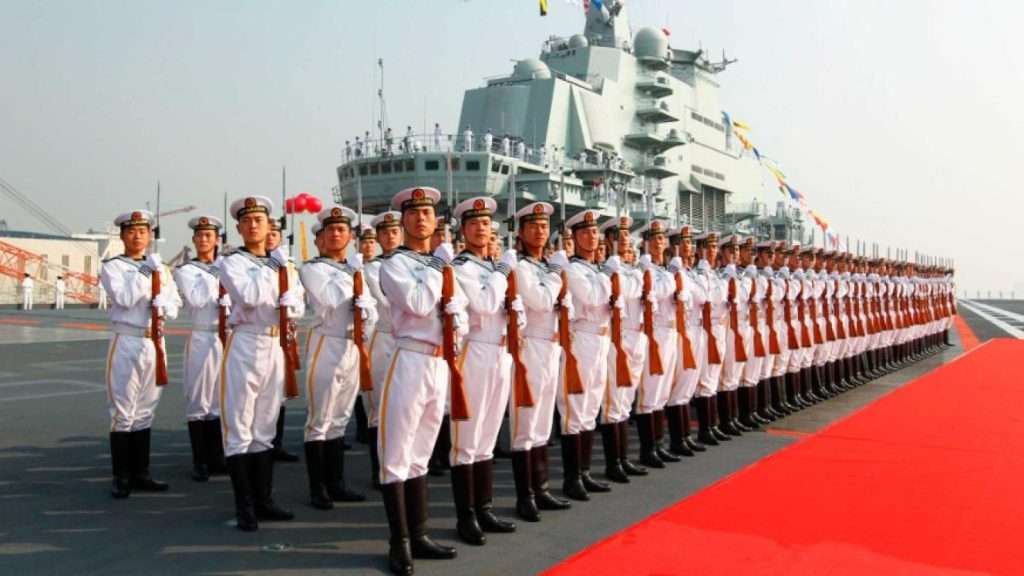
Looking Ahead: The Future of BRICS Cooperation
As the “Will for Peace” drills continue through January 16, the world will be watching for signs of further military integration among BRICS members. While the SANDF maintains that the focus is purely on “the safety of shipping,” the geopolitical ripples are felt far beyond the shoreline.
The sight of brics warships arrive cape town underscores a shifting global order where traditional Western alliances are being balanced against emerging partnerships in the Global South. For South Africa, the challenge remains to host such events while maintaining its critical economic ties with the West.
Domestic Opposition and Neutrality Concerns
The Democratic Alliance (DA) has voiced strong opposition to the timing and participants of the drills. The party’s defense spokesperson, Chris Hattingh, suggested that the rebranding to “Will for Peace” does little to mask the political nature of the exercise.
As more brics warships arrive cape town, Hattingh warned that the government is risking its trade relationships with Western partners. He emphasized that the inclusion of heavily sanctioned nations contradicts South Africa’s claims of neutrality and could have long-term economic consequences for the country.
A Complex Balancing Act for Pretoria
For the SANDF, the focus remains on the “Joint Actions to Ensure the Safety of Shipping.” However, for the rest of the world, the fact that brics warships arrive cape town serves as a potent reminder of the shifting power dynamics in the Global South.
Whether these exercises lead to lasting security or further isolation remains a central question for South African foreign policy. A full military briefing is expected later this week to clarify the exact scope of the maneuvers and the total number of personnel involved.